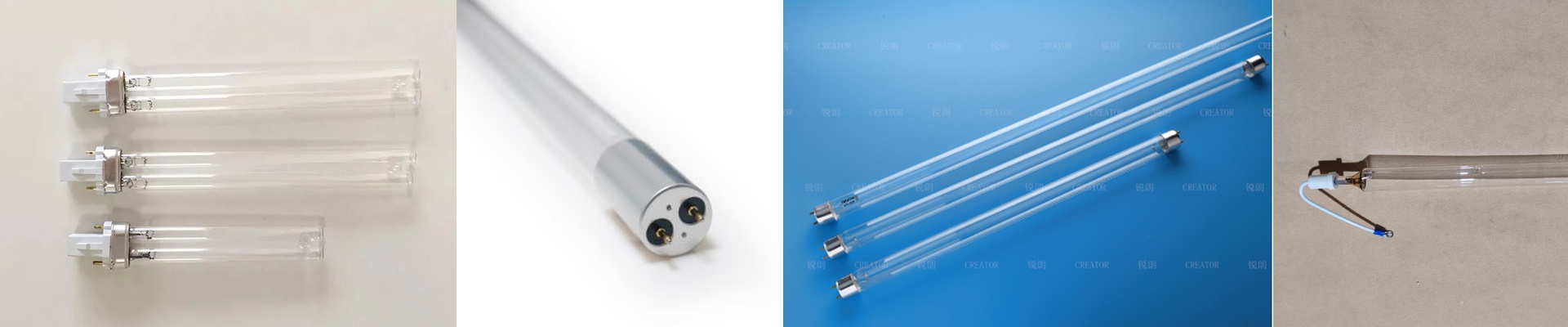
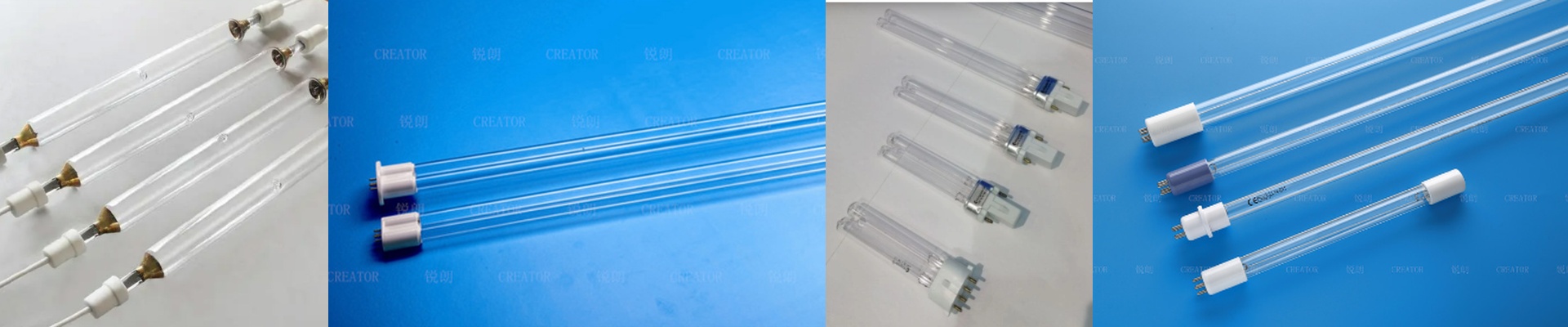
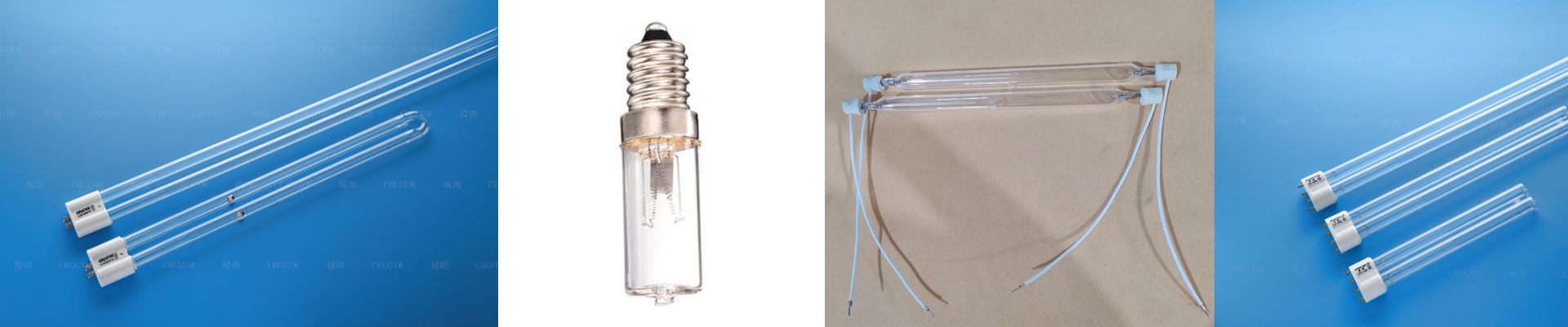
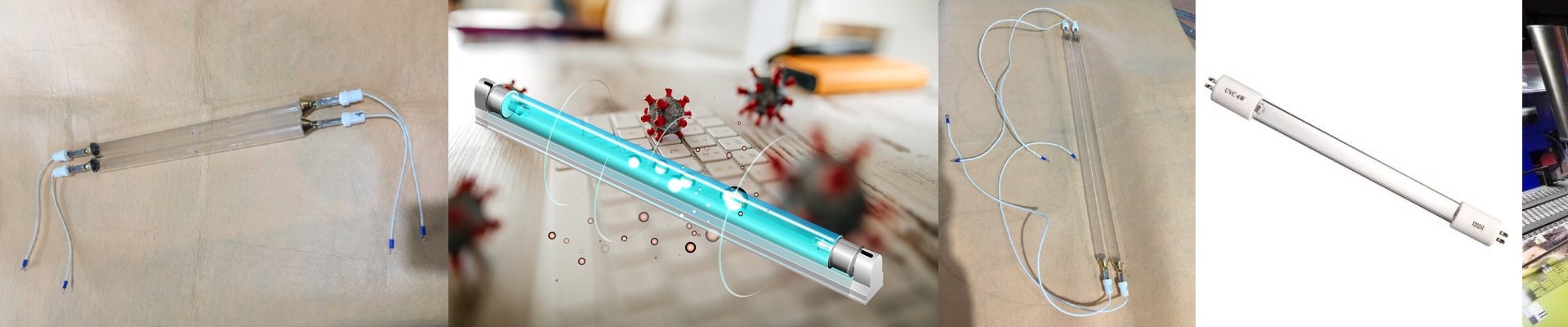

Home appliance buyers don’t want vague promises anymore. They want proof—and a hygiene spec they can actually stand behind. In tight platforms like dishwashers and shoe cabinets, the sterilization module has to squeeze into cramped cavities, take humid cycles in stride, and deliver repeatable microbial inactivation without burning energy or racking up service calls.
What matters, technically
Gallium-doped UVC lamps push the primary emission toward 254nm, right where microbial DNA and RNA absorb the hardest. We’re talking photochemical inactivation here, not heat. In engineering terms, it all comes down to delivered dose: irradiance (mW/cm²) at the target surface, multiplied by exposure time. Keep the spectral output stable and the arc controlled, and dose stays repeatable batch after batch. We call out an initial irradiance target at a defined working distance, and we hold it with low-degradation electrodes and reflector geometry that’s actually optimized. The lamps come as sealed modules with quartz sleeves and ozone-free operation, so the system stays clean and predictable over long duty cycles.
Why it fits these applications
Shoving a UVC module into a dishwasher or shoe cabinet means designing around space, airflow, and moisture. Our compact form factor is built for appliance cavities, with mounting and wiring interfaces that make installation straightforward. Gallium UVC hits rapid disinfection with short dwell time, which supports shorter cycles and lower overall power draw. And because the dose is repeatable, you can validate a sanitation claim with measured irradiance and exposure time—and keep it valid as the appliance ages. Less lamp drift translates to fewer field failures and lower warranty cost, while consistent output keeps microbial kill performance steady.
The things you learn the hard way
UVC energy will degrade plastics, and some polymers yellow under it. Shield sensitive parts, or pick materials that can take the exposure. Check working distance and line-of-sight coverage so shadowed zones don’t become microbial hideouts. Expect minor output decay over thousands of hours—plan periodic verification and set maintenance intervals around the product’s expected life. For solid performance, pair the module with a stable power supply and a thermal strategy that keeps the lamp inside its rated operating temperature.