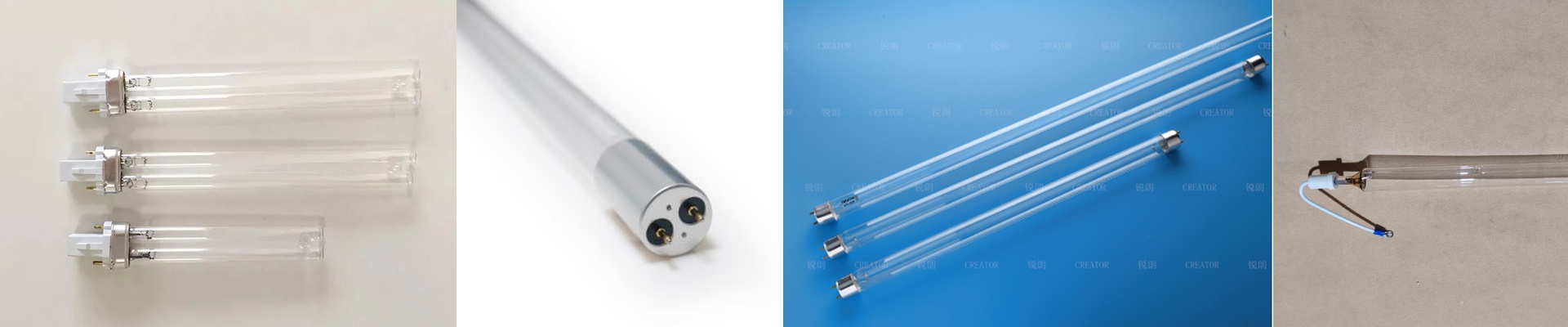
On heat-sensitive fabrics, standard UV curing has always had a sneaky problem: heat soak. The substrate warps before the ink fully cross-links, and you don’t see it until it’s too late.
ताप-संवेदनशील वस्त्रों पर, मानक UV क्यूरिंग में एक छुपा हुआ समस्या हमेशा रही है: हीट सॉक। सब्सट्रेट का विकृति हो जाना तब तक दिखाई नहीं देता जब तक कि स्याही पूरी तरह से क्रॉस-लिंक न हो जाए, और तब तक देर हो चुकी होती है।
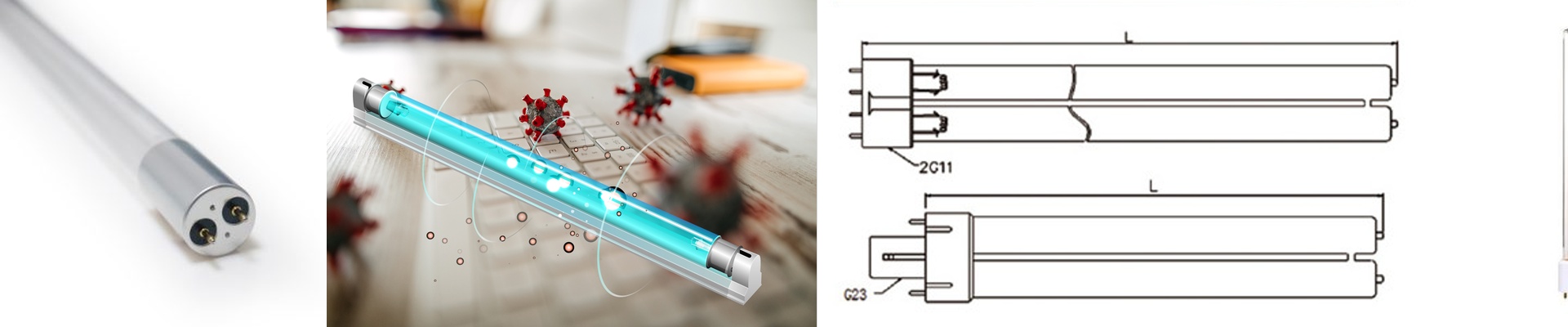
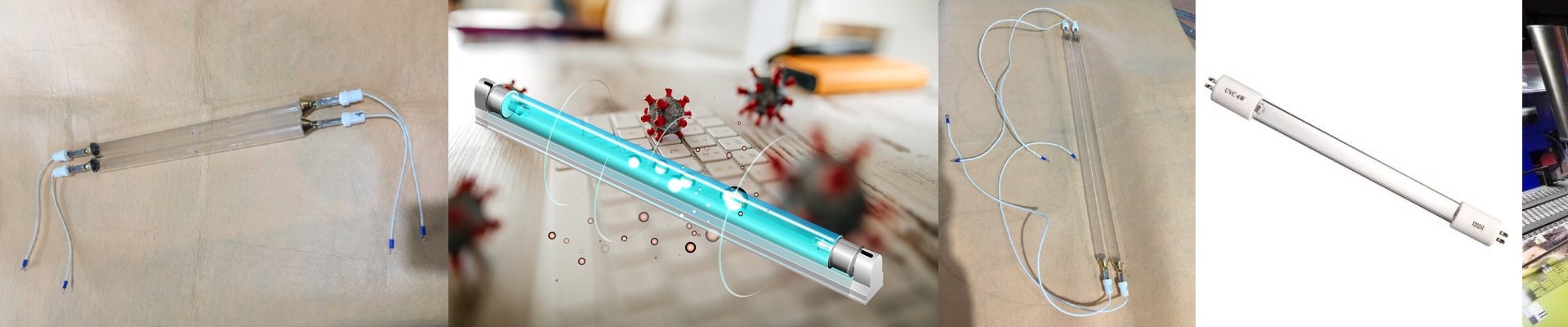
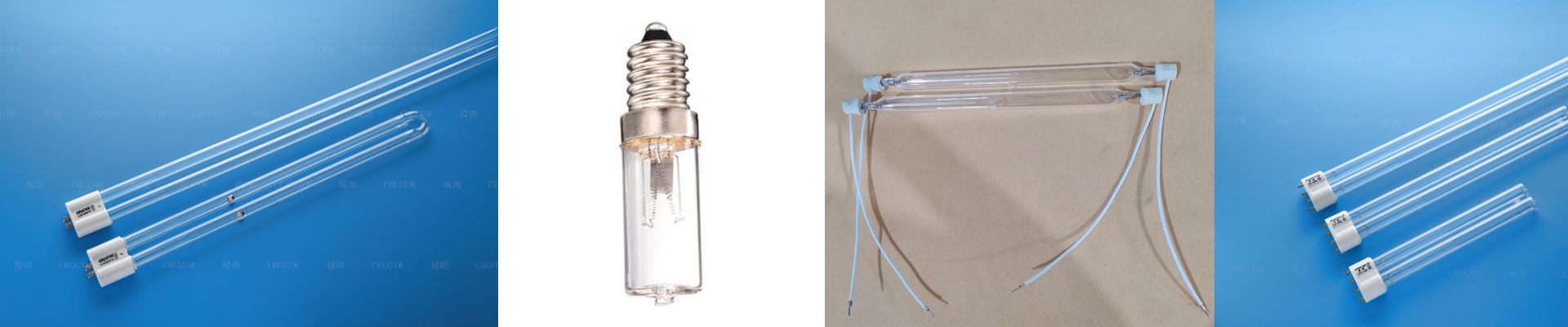
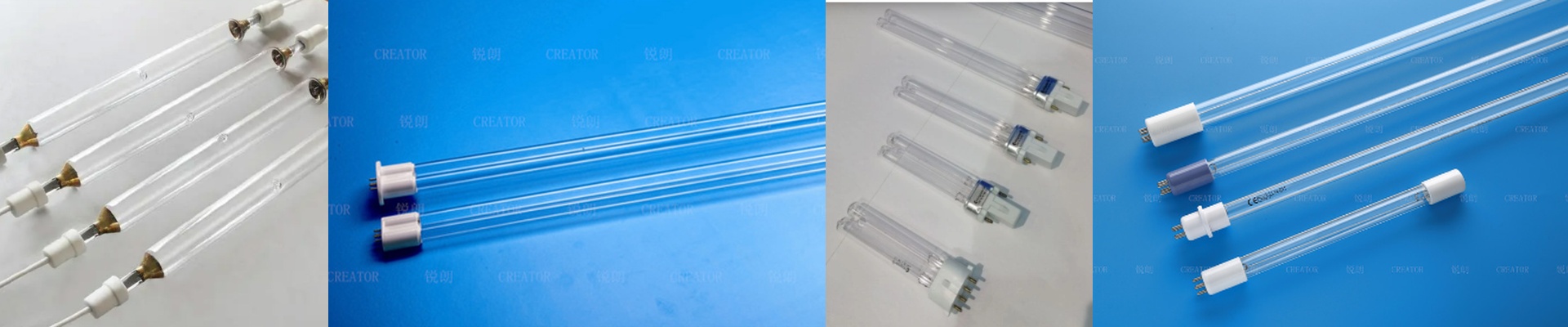
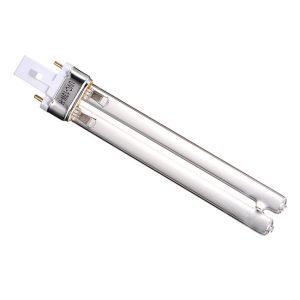
We built a high-speed UV curing lamp that keeps the thermal load off the material while still delivering the photon density needed for an instant cure. The heart of it is a cold-source architecture centered on a high-pressure mercury vapor lamp, paired with dichroic reflectors and a spectral output tuned to match the ink’s photoinitiators.
हमने एक उच्च गति वाला UV क्यूरिंग लैंप विकसित किया है जो सामग्री पर थर्मल लोड को कम रखता है, जबकि तुरंत क्यूरिंग के लिए आवश्यक फोटोन घनत्व प्रदान करता है। इसका मुख्य भाग एक कोल्ड-सोर्स आर्किटेक्चर है जो एक हाई-प्रेशर मरकरी वेपर लैंप के इर्द-गिर्द केंद्रित है, जिसे डाइक्रोइक रिफ्लेक्टर्स के साथ जोड़ा गया है और एक स्पेक्ट्रल आउटपुट सेट किया गया है जो स्याही के फोटोइनिशिएटर्स से मेल खाता है।
Here’s the part that matters on the floor: energy balance. The system narrows in on a tight spectral window around 365nm, with peak irradiance over 12W/cm² measured right at the substrate plane. The reflectors stay above 88% efficient, thanks to a multi-layer dichroic coating that reflects UV and passes IR. That cuts radiant heat by 60% compared to bare-quartz lamps.
फर्श पर जो सबसे महत्वपूर्ण है वह है: ऊर्जा संतुलन। सिस्टम 365nm के आसपास एक संकीर्ण स्पेक्ट्रल विंडो पर केंद्रित होता है, जिसमें सब्सट्रेट प्लेन पर मापा गया पीक इर्रैडियंस 12W/cm² से ऊपर होता है। रिफ्लेक्टर्स 88% से अधिक दक्ष रहते हैं, जो कि मल्टी-लेयर डाइक्रोइक कोटिंग के कारण संभव होता है जो UV को प्रतिबिंबित करता है और IR को गुजरने देता है। इससे बियर-कॉर्ट्ज लैंप की तुलना में रेडिएंट हीट में 60% की कमी आती है।
The payoff is a curing dose delivered at 800–1200mJ/cm² while keeping the fabric surface under 45°C. Output stays stable for 5,000+ hours, with less than 5% drop in irradiance.
परिणामस्वरूप, 800–1200mJ/cm² की क्यूरिंग डोज दी जाती है जबकि कपड़े की सतह 45°C से नीचे रहती है। आउटपुट 5,000+ घंटे तक स्थिर रहता है, जिसमें इर्रैडियंस में 5% से कम गिरावट होती है।
Why does this work? The fabric stays flat. In heat-sensitive textile printing, you can run faster without compensating for shrinkage or curl.
यह कैसे काम करता है? कपड़ा समतल रहता है। ताप-संवेदनशील टेक्सटाइल प्रिंटिंग में, सिकुड़न या कर्ल के लिए समायोजन किए बिना आप अधिक तेजी से काम कर सकते हैं।
Curing is consistent edge-to-edge, so you stop seeing dot gain and color shift caused by overheat. It drops into existing UV offset or screen lines with standard connectors and PLC interlocks, and the ozone-free design makes exhaust routing straightforward.
क्यूरिंग किनारे से किनारे समान रहता है, इसलिए अधिक ताप के कारण होने वाली डॉट गेन और रंग परिवर्तन बंद हो जाता है। यह मानक कनेक्टर्स और PLC इंटरलॉक्स के साथ मौजूदा UV ऑफसेट या स्क्रीन लाइनों में आसानी से फिट हो जाता है, और ओज़ोन-मुक्त डिज़ाइन निकास मार्गदर्शन को सरल बनाता है।
On install: reflector alignment directly sets dose uniformity, so you need a spectral radiometer and a fixed lamp-to-substrate gap. The cold-source approach reduces heat, but you still need proper cooling and clean quartz to hold the stated irradiance.
इंस्टॉलेशन पर: रिफ्लेक्टर की संरेखण क्यूरिंग डोज की समानता सीधे निर्धारित करता है, इसलिए आपको एक स्पेक्ट्रल रेडियोमीटर और एक निश्चित लैंप-से-सब्सट्रेट गैप की आवश्यकता होती है। कोल्ड-सोर्स विधि हीट को कम करती है, लेकिन निर्धारित इर्रैडियंस बनाए रखने के लिए उचित कूलिंग और साफ़ क्वार्ट्ज की जरूरत होती है।
And you still have to match the spectral output to the ink’s photoinitiator profile. That’s how you get full conversion, every time.
और आपको स्पेक्ट्रल आउटपुट को स्याही के फोटोइनिशिएटर प्रोफाइल से मिलाना होता है। इसी से हर बार पूर्ण रूपांतरण प्राप्त होता है।