On heat-sensitive fabrics, standard UV curing has always had a sneaky problem: heat soak. The substrate warps before the ink fully cross-links, and you don’t see it until it’s too late.
สำหรับผ้าที่ไวต่อความร้อน การบ่มด้วย UV แบบมาตรฐานมีปัญหาแอบแฝงคือความร้อนสะสม ตัววัสดุพื้นผิวจะบิดงอก่อนที่หมึกจะเชื่อมโยงข้ามอย่างสมบูรณ์ และจะเห็นผลเสียเมื่อสายเกินไปแล้ว
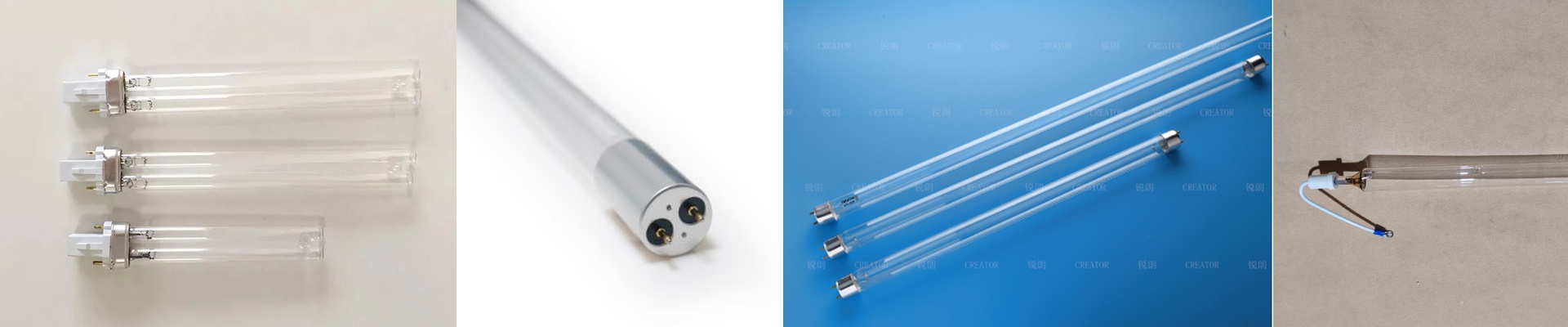
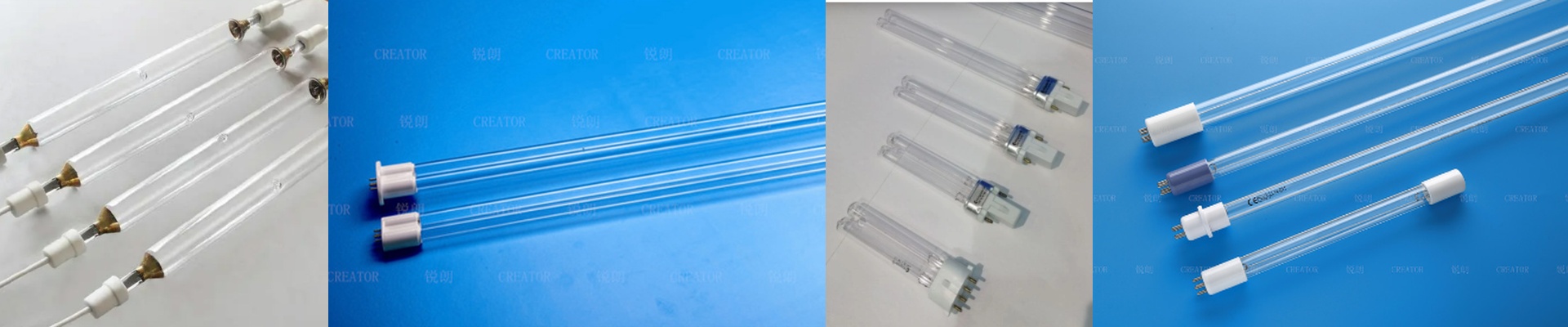
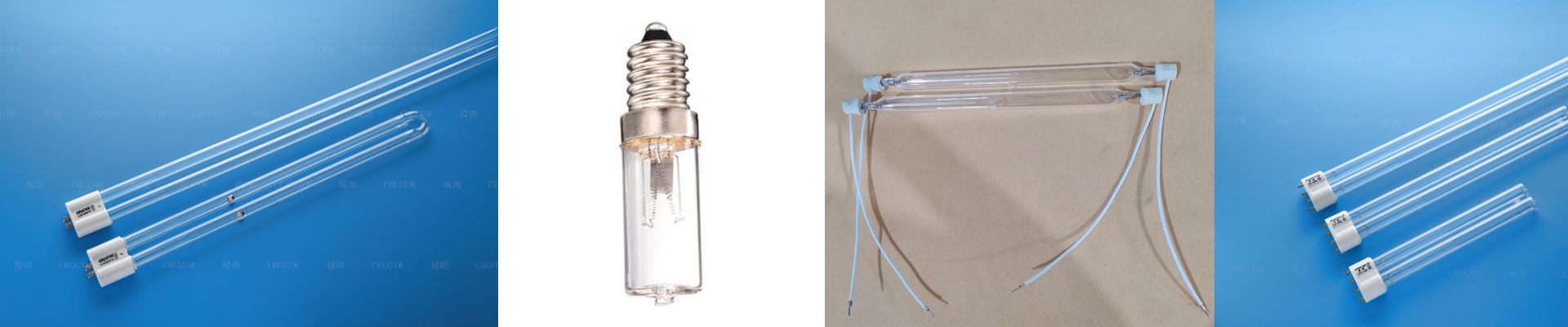
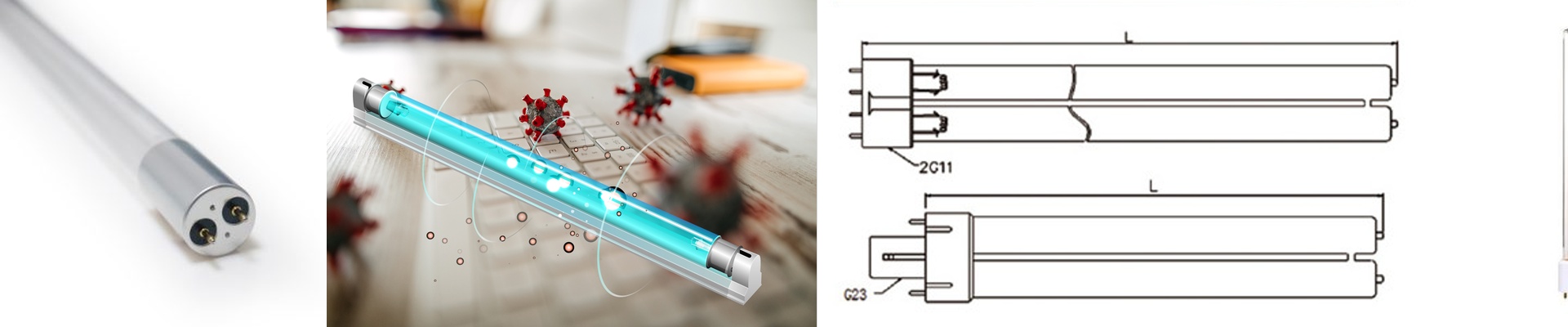
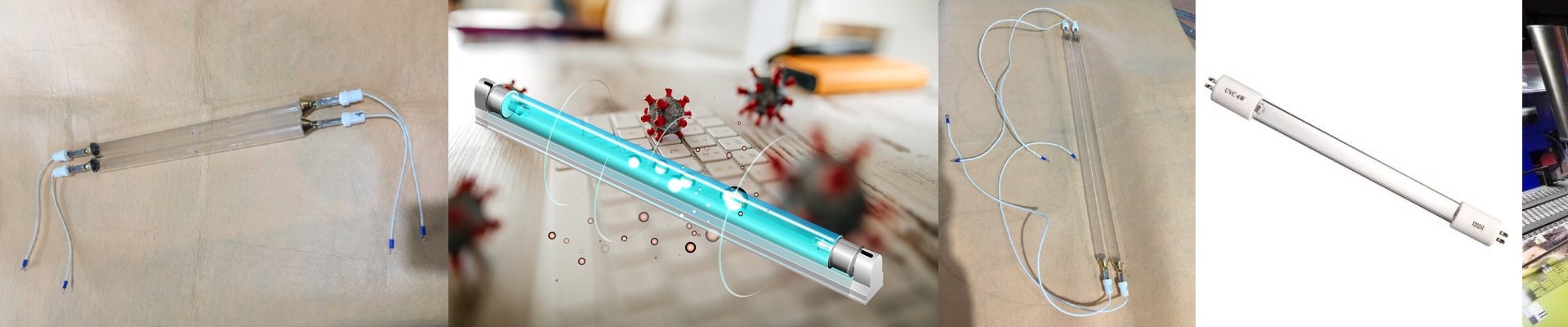
We built a high-speed UV curing lamp that keeps the thermal load off the material while still delivering the photon density needed for an instant cure. The heart of it is a cold-source architecture centered on a high-pressure mercury vapor lamp, paired with dichroic reflectors and a spectral output tuned to match the ink’s photoinitiators.
เราออกแบบโคมไฟบ่ม UV ความเร็วสูงที่ลดภาระความร้อนกับวัสดุขณะยังคงส่งมอบความหนาแน่นของโฟตอนที่จำเป็นสำหรับการบ่มทันที โครงสร้างหลักเป็นแบบ cold-source โดยใช้หลอดไอปรอทแรงดันสูง ร่วมกับตัวสะท้อนแบบ dichroic และการปล่อยสเปกตรัมที่ปรับจูนให้ตรงกับตัวกระตุ้นแสงของหมึก
Here’s the part that matters on the floor: energy balance. The system narrows in on a tight spectral window around 365nm, with peak irradiance over 12W/cm² measured right at the substrate plane. The reflectors stay above 88% efficient, thanks to a multi-layer dichroic coating that reflects UV and passes IR. That cuts radiant heat by 60% compared to bare-quartz lamps.
ส่วนที่สำคัญในสายการผลิตคือสมดุลพลังงาน ระบบจะจำกัดสเปกตรัมอย่างเข้มงวดที่ราว 365nm โดยมีความเข้มแสงสูงสุดกว่า 12W/cm² วัดตรงที่ระนาบวัสดุ ตัวสะท้อนยังคงประสิทธิภาพมากกว่า 88% เนื่องจากการเคลือบ dichroic หลายชั้นที่สะท้อนรังสี UV และปล่อย IR ออกไป ซึ่งช่วยลดความร้อนจากรังสีได้ 60% เมื่อเทียบกับโคมควอตซ์เปล่า
The payoff is a curing dose delivered at 800–1200mJ/cm² while keeping the fabric surface under 45°C. Output stays stable for 5,000+ hours, with less than 5% drop in irradiance.
ผลลัพธ์คือปริมาณพลังงานบ่มที่ 800–1200mJ/cm² ในขณะที่ผิวผ้ายังคงอุณหภูมิต่ำกว่า 45°C กำลังไฟคงที่มากกว่า 5,000 ชั่วโมง โดยความเข้มแสงลดลงไม่เกิน 5%
Why does this work? The fabric stays flat. In heat-sensitive textile printing, you can run faster without compensating for shrinkage or curl.
เหตุผลที่ระบบนี้ทำงานได้คือผ้ายังคงเรียบ ในการพิมพ์ผ้าไวต่อความร้อน สามารถทำงานด้วยความเร็วสูงขึ้นโดยไม่ต้องชดเชยการหดตัวหรือการบิดงอ
Curing is consistent edge-to-edge, so you stop seeing dot gain and color shift caused by overheat. It drops into existing UV offset or screen lines with standard connectors and PLC interlocks, and the ozone-free design makes exhaust routing straightforward.
การบ่มมีความสม่ำเสมอตั้งแต่ขอบถึงขอบ จึงลดปัญหาการขยายจุดและการเปลี่ยนสีที่เกิดจากความร้อนสูง สามารถติดตั้งร่วมกับเครื่องพิมพ์ UV offset หรือสกรีนที่มีอยู่โดยใช้ขั้วต่อมาตรฐานและระบบล็อก PLC ได้โดยตรง และการออกแบบที่ไม่สร้างโอโซนช่วยให้ง่ายต่อการวางระบบระบายอากาศ
On install: reflector alignment directly sets dose uniformity, so you need a spectral radiometer and a fixed lamp-to-substrate gap. The cold-source approach reduces heat, but you still need proper cooling and clean quartz to hold the stated irradiance.
ในการติดตั้ง การจัดตำแหน่งตัวสะท้อนเป็นตัวกำหนดความสม่ำเสมอของปริมาณพลังงาน จึงต้องใช้เครื่องวัดรังสีสเปกตรัมและระยะห่างระหว่างโคมไฟกับวัสดุที่คงที่ วิธี cold-source ช่วยลดความร้อน แต่ยังต้องมีระบบระบายความร้อนที่เหมาะสมและควอตซ์ที่สะอาดเพื่อรักษาความเข้มแสงตามที่ระบุ
And you still have to match the spectral output to the ink’s photoinitiator profile. That’s how you get full conversion, every time.
และต้องปรับสเปกตรัมการปล่อยแสงให้ตรงกับโปรไฟล์ตัวกระตุ้นแสงของหมึก นั่นคือวิธีที่ทำให้เกิดการแปลงสภาพสมบูรณ์ทุกครั้งที่ใช้งาน