Mercury UV Lamps: The Powerhouse Behind Modern UV Ink Drying
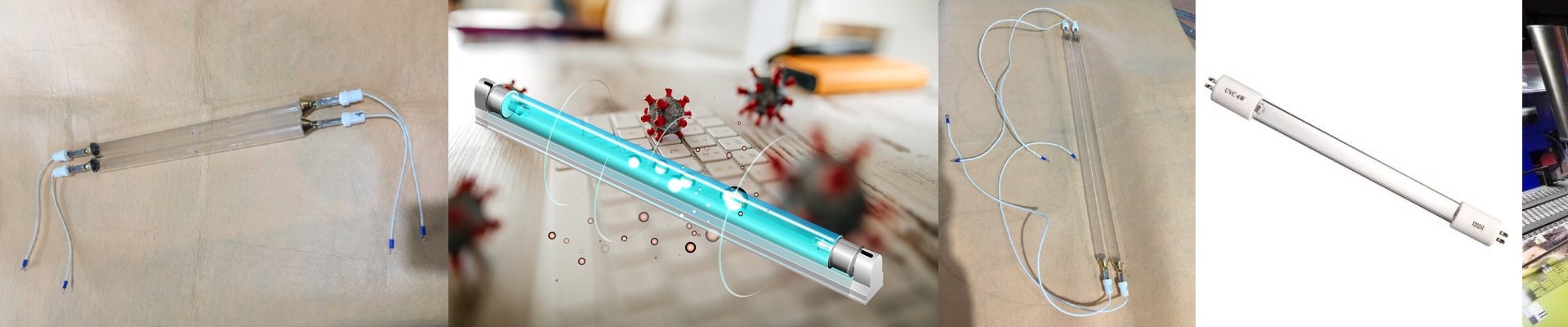
So, how do you actually rethink “light energy” for the factories of today? It comes down to something surprisingly direct: the mercury UV lamp. This isn’t just a part that cures ink. It’s a carefully built system that brings together heat and light in a way that can keep up with fast, automated production.
Let’s get into the guts of it: power, voltage, and size
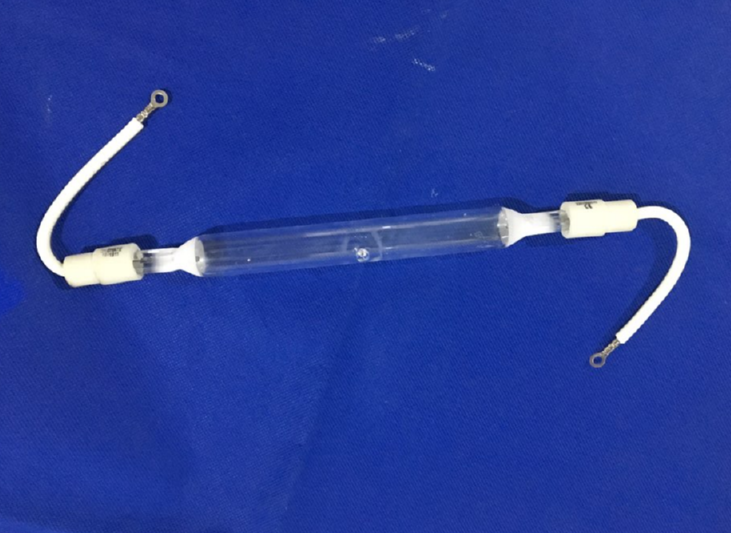
These lamps are built to match what industrial power systems are already running. A typical unit runs on 400V, pulling the kind of current needed to blast out serious UV. That high-voltage choice isn’t random. It lets the lamp deliver strong power over longer runs with less loss, so the quartz tube stays at the right temperature and the light stays steady. Then there’s the size. Most are around 300mm long, and that length isn’t by accident. It gives the mercury vapor the right arc length to produce a broad UV spectrum—both shortwave and longwave. That range is what makes the lamp versatile enough to cure different inks, from a crisp surface set to deeper penetration.
What it’s made of—and why it matters
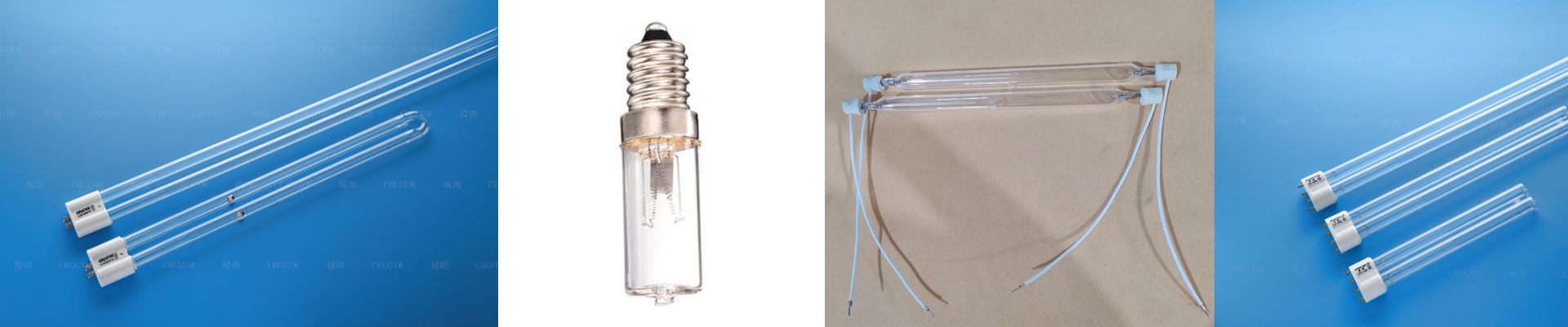
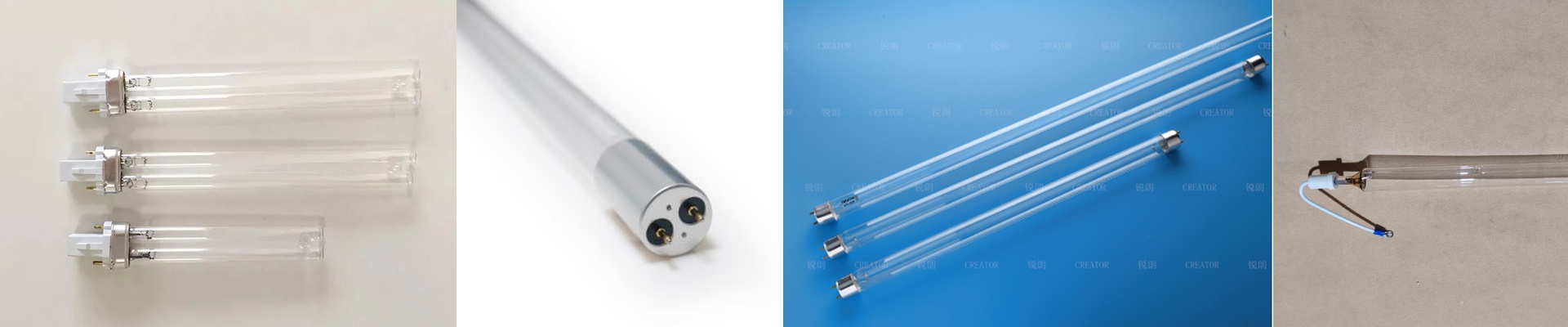
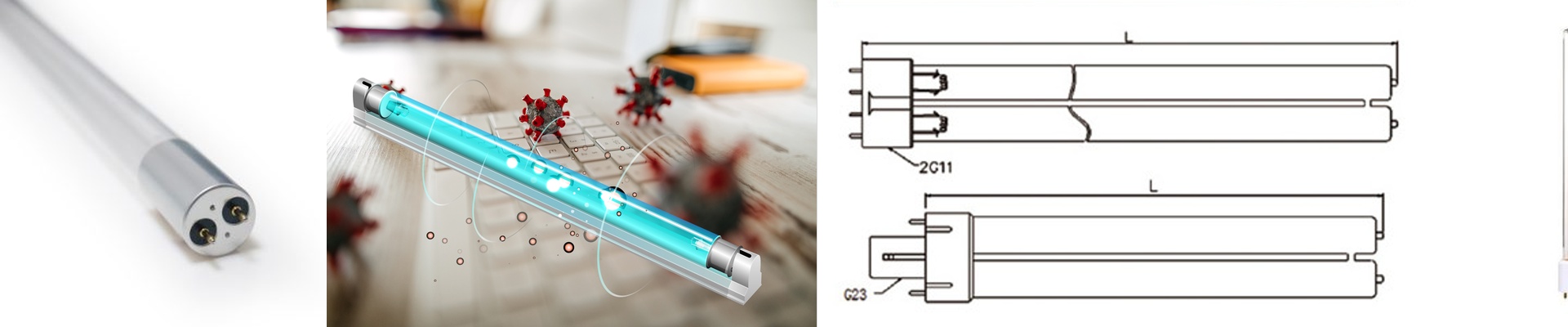
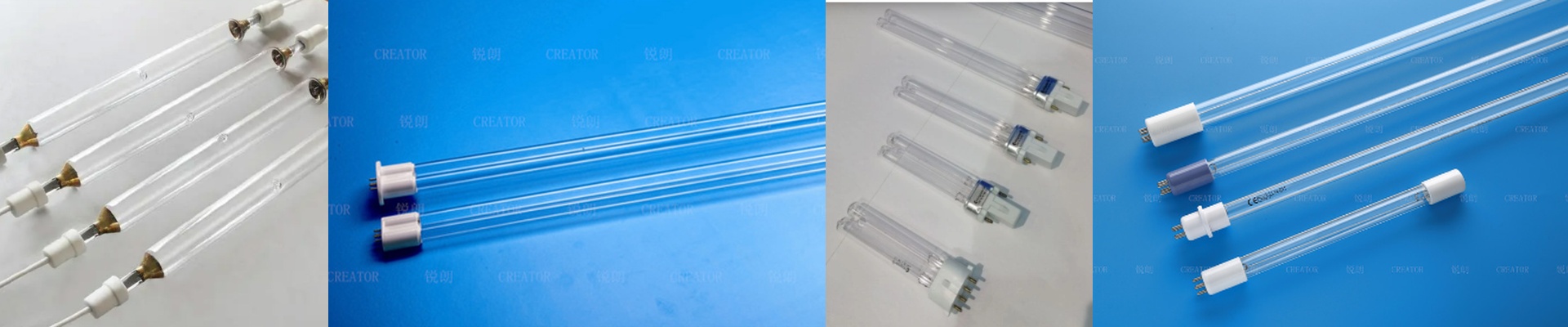
At the heart is a high-purity quartz tube. It can handle sudden heat swings without cracking, which matters when you’re running hard. Inside, the mercury vapor fires up thanks to an electrode system, and the quartz does its job cleanly, letting the UV energy through. The connectors are R7s bi-pin, and there’s a good reason that’s standard. They hold a solid, high-temp electrical connection, and they’re easy to wire and swap. When you need to replace a lamp on the floor, you want that to be fast. And the heat? It’s intense. So the lamp body is often coated or housed to manage it. The coating or reflector pushes the UV where you need it while keeping the heat in check, so the rest of your machine stays protected.
What it feels like on the line
On a UV ink drying job, the lamp hits the ink with a concentrated burst of light energy. The result? Ink cures almost instantly. That means you can print at high speed on paper, plastic, even metal—without waiting around for long drying tunnels. Less floor space. Less wasted energy. But here’s the honest part: that kind of power comes with heat. A 400V, 2500W draw puts out a lot of it. So your cooling—whether air or water—has to be properly sized for the job. If the cooling can’t keep up, performance drops and the lamp won’t last as long. We build these lamps to be straightforward replacements. They fit into existing systems and slot into Industry 4.0 lines without drama, giving you dependable, repeatable curing that keeps your process moving.