Why You Need a High-Penetration UV Lamp for Thick-Layer Prints
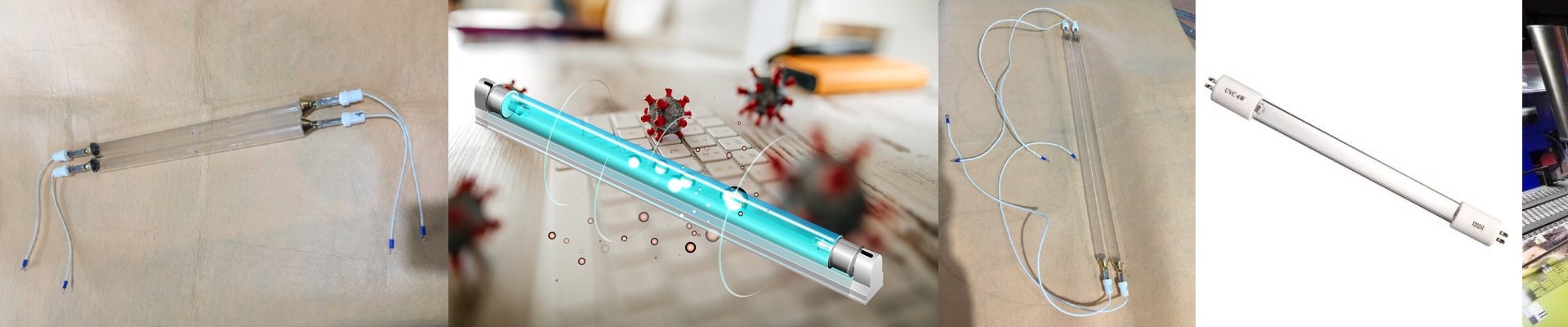
Ever run thick-layer screen printing? The ink pile isn’t delicate—it’s a stack. And that stack hides trouble. Standard UV lamps might harden the top, but the bottom? It stays soft. We built our high-penetration UV curing lamp to fix that. It pushes enough photon energy deep into the deposit so the whole layer cures at once. No more guessing. No more half-cured prints.
Power, Voltage, and Geometry: Getting the Energy Right
Thick prints need serious energy—but not just any energy. They need the right shape of energy. We tune the lamp for high-intensity output across a precise arc length, so the energy stays even over the whole print. The voltage is spec’d to keep the lamp firing cleanly and staying steady, even when you’re running all day. If the power supply is too small, the lamp starts hunting for current. Output drifts. And that drift is exactly what ruins thick prints—some parts cure, others don’t. Then there’s length. The lamp has to match your curing zone. Too short, and you get hot spots with cold edges. Too long, and you’re wasting power, adding heat, and making your cooling system work overtime.
Material Choice and Hardware: Quartz, Coating, and the R7s Connection
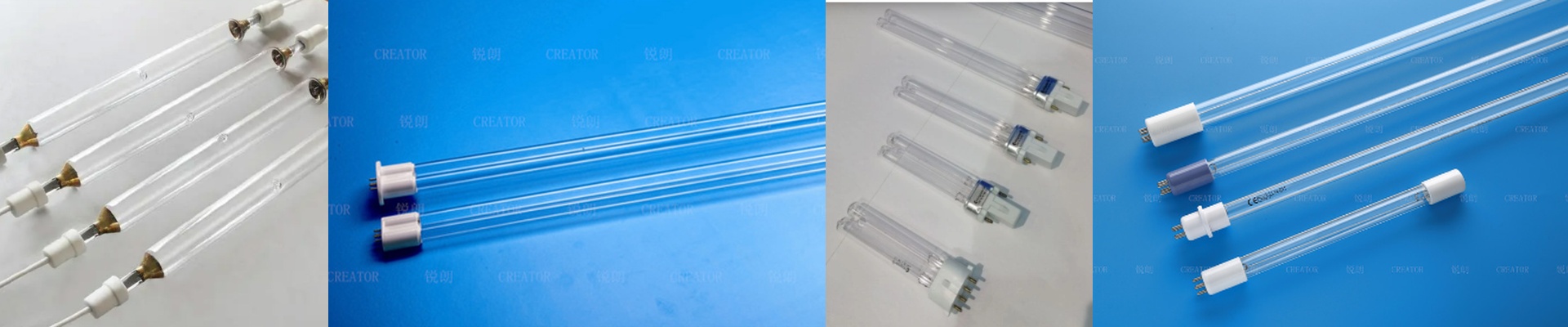
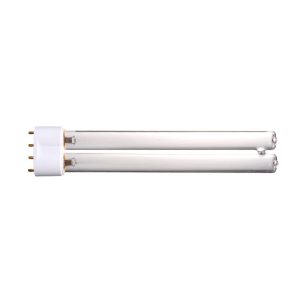
We use a quartz envelope because it transmits the UV spectrum cleanly and stays solid at high temperatures. Inside, the gas fill and electrode design keep the arc stable—so the lamp strikes reliably every time and holds steady through long runs. The outer coating isn’t just for looks. It helps shape the output spectrum and protects the envelope from the shop environment. It also cuts down on uneven output that can happen from dust or contamination. And the R7s connector? Not a random pick. It locks in cleanly, handles the current, and makes lamp swaps fast. Alignment stays consistent. In a busy shop, that means less downtime and fewer messy failures when you’re swapping lamps hot.
Real-World Use: Thick Prints, Real Heat, and What It Actually Means
With high penetration, thick-layer screen prints cure bottom-to-top in one pass. No surface skinning that traps solvents or uncured resin. You get a uniform cure, better adhesion, and far fewer rejects. But here’s the catch: heat. High-output UV lamps throw off a lot of it. Your curing station needs airflow and smart reflector setup to keep the substrate temperature in check. Plan for that heat up front. If you don’t, you’ll end up trading cure quality for thermal stress—and that’s a lose-lose.