How We Cracked the Code for Curing Heat-Sensitive Fabrics
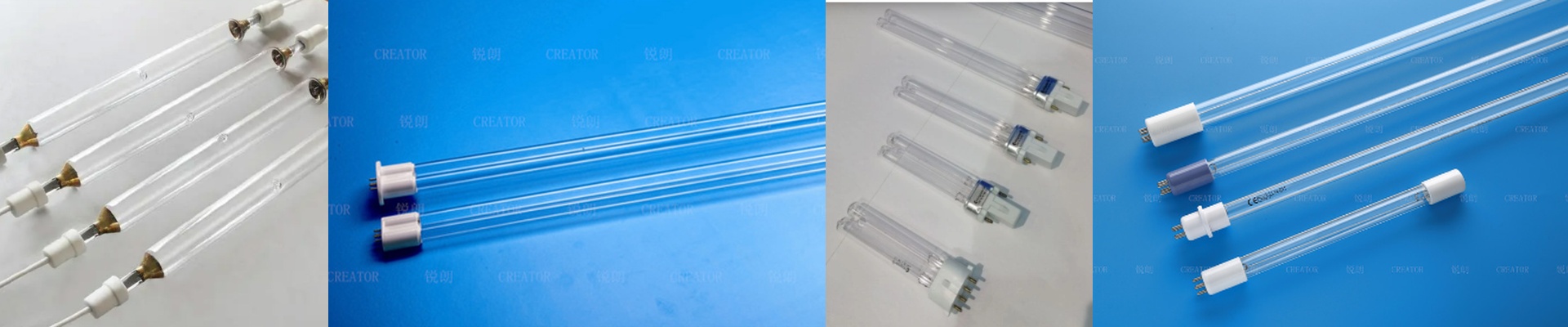
We built a special kind of lamp for one specific headache: printing on fabrics that can’t take the heat. The whole point? Cure UV inks in a flash—without the fabric warping or shrinking. It comes down to a true “cold light” approach. We tuned the light’s output to perfectly match what the inks need to cure, while keeping the infrared heat as low as possible.
The Secret Sauce: Power, Voltage, and Precision
Here’s the thing about a gallium lamp. It doesn’t just blast out UV; it delivers a very specific, narrow band of it. It’s like it reads the ink’s absorption curve and hits it exactly where it counts. That focus means the ink cures fast on the surface, but the lamp doesn’t dump a ton of heat into the fabric underneath. It runs on high voltage to keep the arc efficient, which gives you a ton of photonic energy in a small package. That concentrated power is why the curing is so quick. But it also means the power supply and reflector have to be perfectly matched to the lamp. No compromises there.
The Build: Engineering a True Cold Light Source
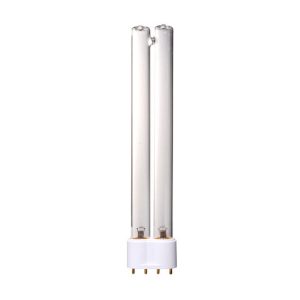
How do we pull off this “cold light” performance? It starts with the quartz envelope and a proprietary doping recipe designed to choke out the infrared. The gallium additive shifts the spectrum hard into the UV range, while the internal chemistry keeps the arc stable and extends the electrode life. We also made sure the lamp has a super solid base. It locks in perfectly every time, so you get stable alignment inside the curing unit and consistent control over the hot spot.
The Payoff: Protecting Delicate Fabrics, Boosting Your Output
When you’re printing on heat-sensitive materials, the biggest failure point is always the fabric getting distorted. Our gallium lamp cuts down on the absorbed heat, so the fabric keeps its shape—and you still get a full cure. The result is crisper print detail, way fewer rejects, and the freedom to work with thinner, more delicate materials. Just keep one thing in mind: this lamp is intense. You’ll need proper shielding, ventilation, and cooling to keep the heat in the chamber under control.