Why Mercury UV Lamps are the Unsung Heroes of Your Textile Line
Ever wonder why some prints on a shirt feel like they’re part of the fabric, while others just… peel? It usually comes down to the “invisible” chemistry happening behind the scenes. That’s where mercury UV lamps come in. We use these industrial bulbs to trigger a process called photopolymerization. In plain English? They turn liquid inks and coatings into solid, durable polymers in a matter of seconds.
The Nitty-Gritty of the Physics
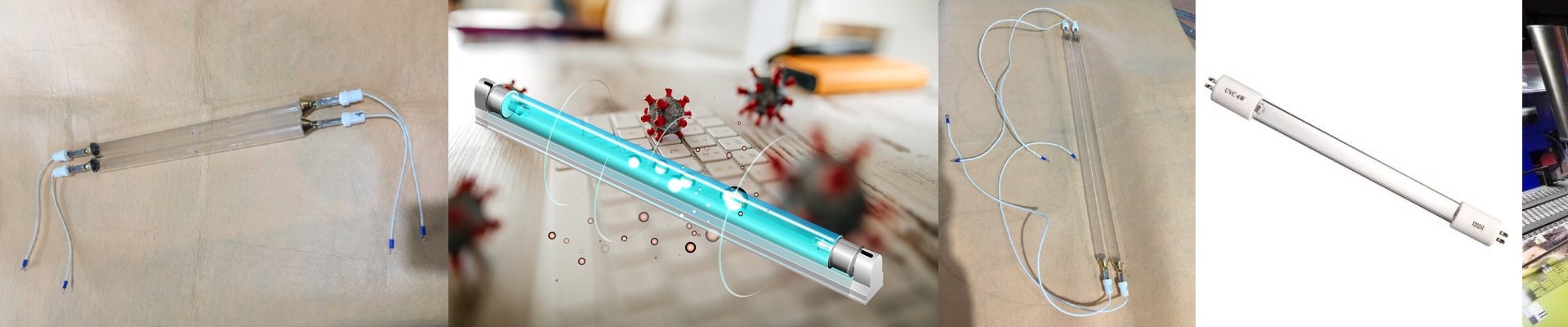
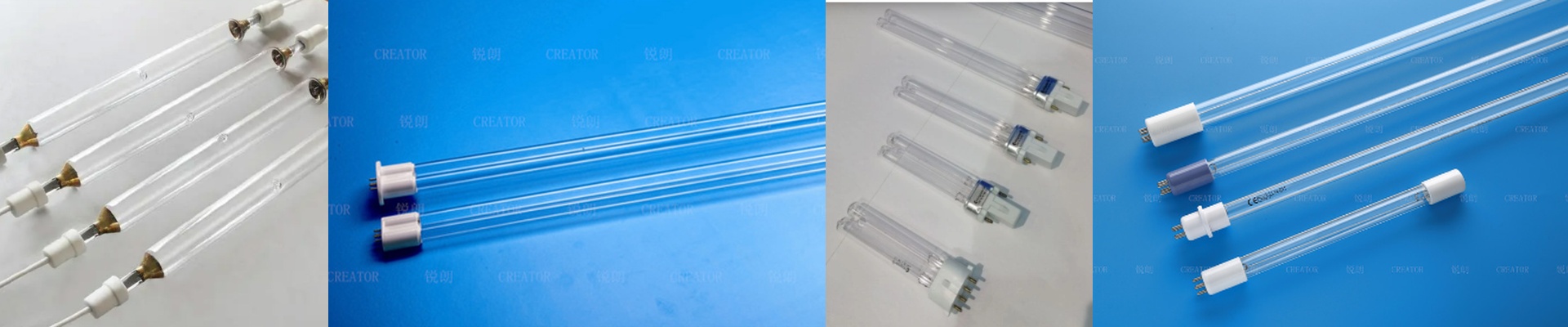
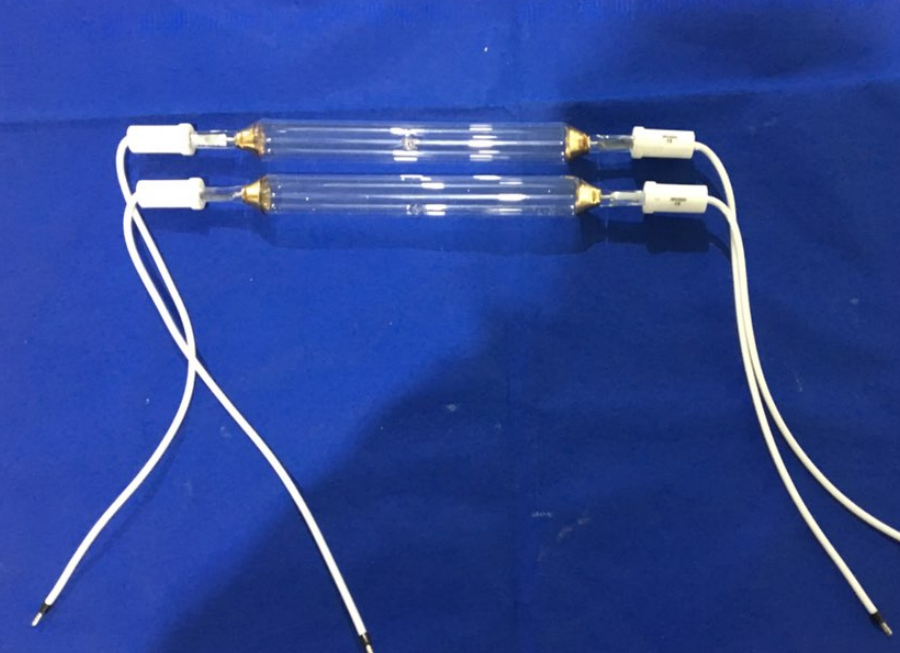
We lean on these bulbs because they pump out high-intensity UVC and UVB light. Inside that quartz glass, the mercury vapor hits a specific sweet spot—usually around 254nm. That specific wavelength is what actually breaks the chemical bonds in your photoinitiators. If you try to cut corners with low-grade quartz sleeves or drop the wattage, you’re going to have a bad time. The curing slows down, and you end up with “tacky” prints or ink that migrates and blurs. Nobody wants that.
Getting the Setup Right
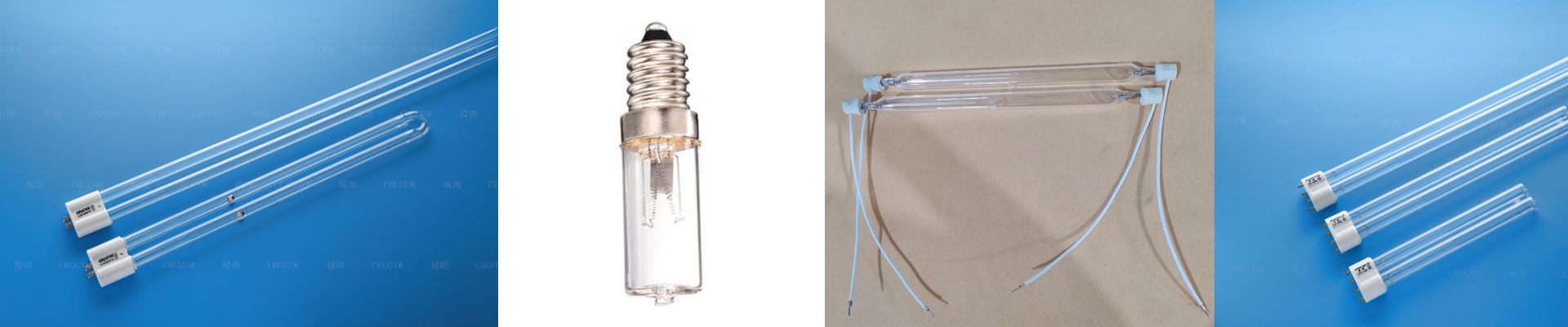
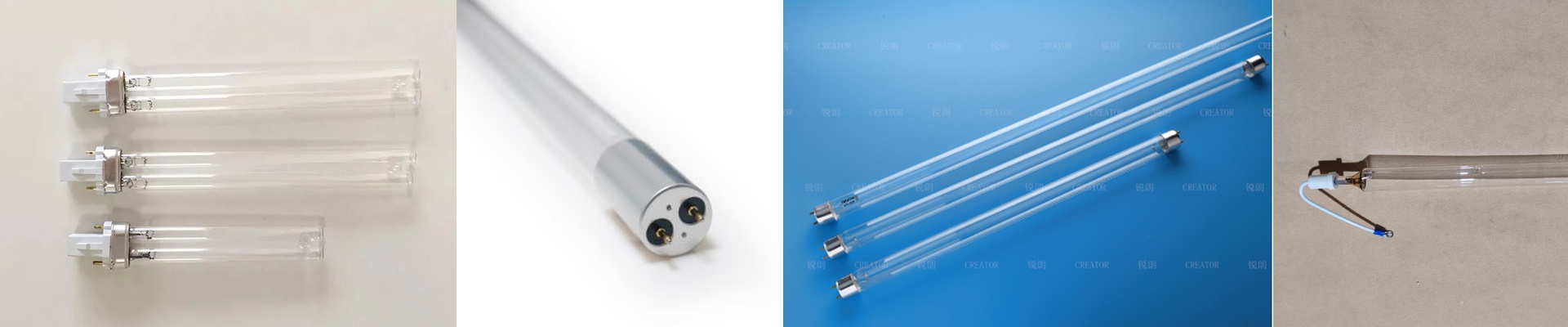
If you’re running wide fabric webs, you need long-form tubes. We sell these in bulk for a reason:consistency. Here’s a pro tip: don’t mix and match brands. Even a tiny difference in gas pressure or the materials used in the electrodes can mess things up. You’ll start seeing “striping” on your fabric, which is a nightmare to fix. And a heads-up on the electrical side—these lamps are thirsty. They pull a massive amount of current the second they strike. If your electrical panels aren’t rated for those spikes, you’ll be tripping breakers all morning.
The Balancing Act
Now, there’s a catch. Mercury lamps pack a punch, but they runhot. If your conveyor is moving too slow or the lamps are sitting too close to the material, you risk warping your synthetic fabrics. It’s all a balancing act between your web speed and the lamp’s output. Want to speed up production? You can. But you’ll either need to add more bulbs or jump to higher-wattage tubes. Just keep in mind that more power means more heat, which puts a lot more pressure on your cooling fans. It’s the classic trade-off: go faster, but keep it cool.