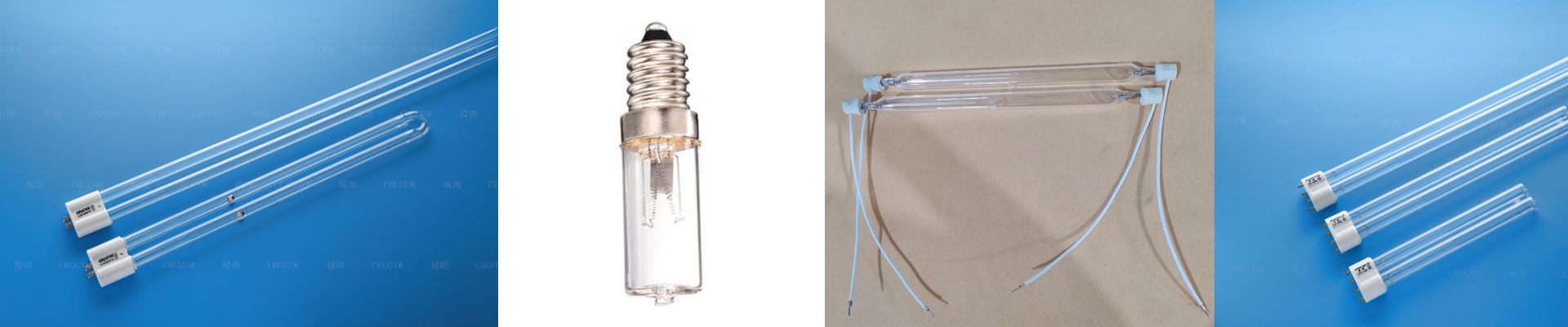
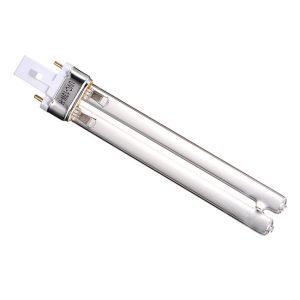
How to actually make your UV curing tubes last
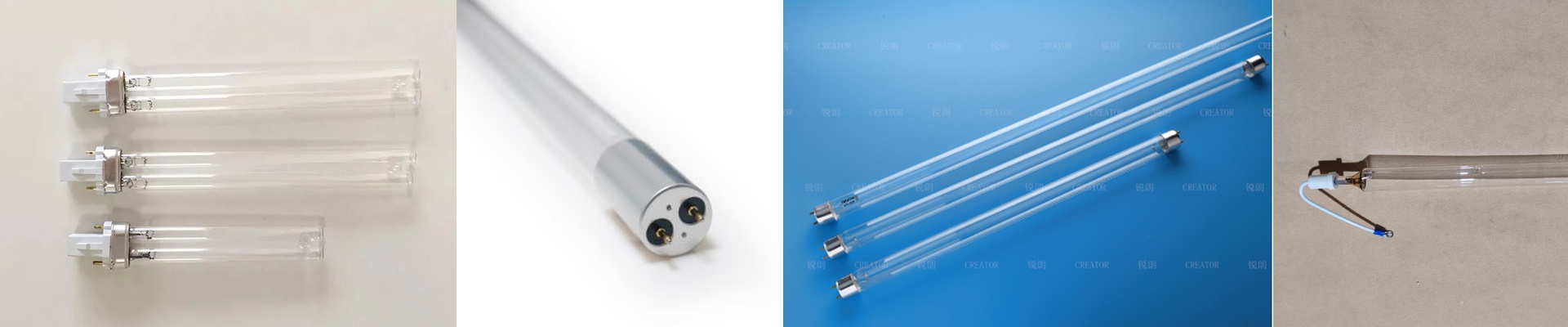
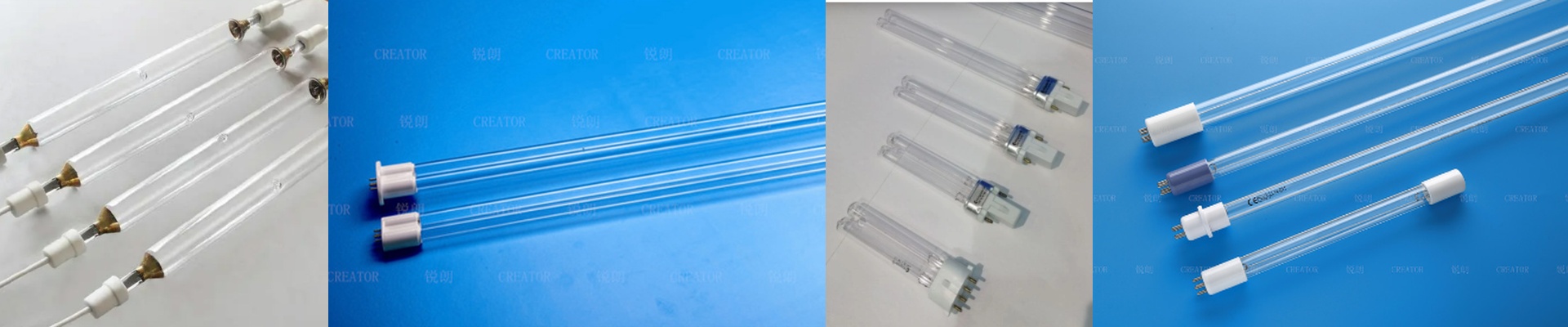
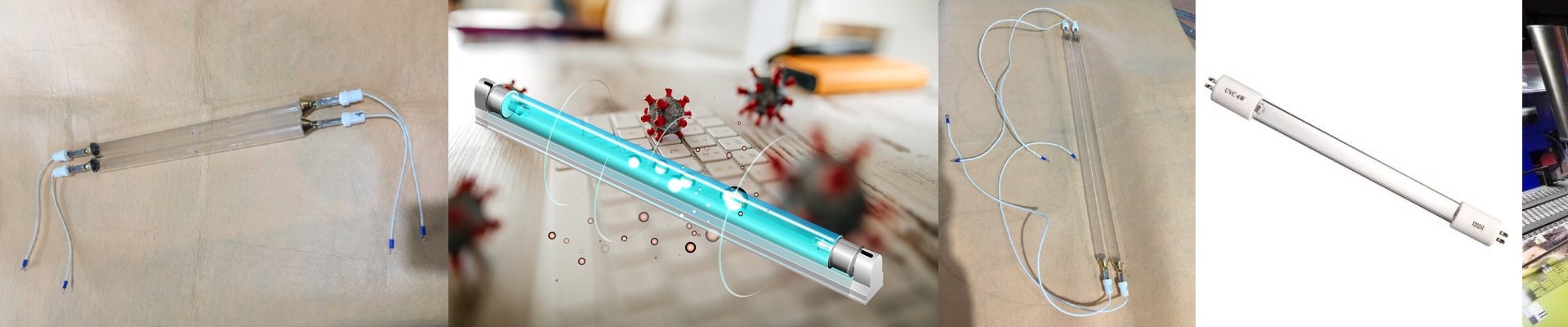
Mercury UV tubes are the real heavy lifters in printing and coating lines. But look, we don’t just treat these as “off-the-shelf” spare parts. We build them to play nice with your specific ink chemistry and the actual physical limits of your curing tunnel.
The science (without the textbook)
Here is how it works: we excite mercury vapor to create short-wave UV radiation. Now, if you’ve ever bought a cheap tube, you know they burn out fast. That usually happens because the electrodes degrade, and you start getting those annoying, erratic arcs. We fix that by using stabilized electrode materials and high-purity quartz. It keeps things steady. Then there’s the power density. This is where your line speed comes in. If you cram too much wattage into a short tube, sure, the ink cures faster. But you’re also cooking the quartz. It’s all a balancing act between your wattage and how fast your conveyor is moving.
The trade-offs you need to know
We use fused quartz because it lets the most UV light through. Depending on your ink’s photoinitiators, we can even “dope” the lamps to shift the light toward UVA or UVB. But here is the catch:heat. High-output lamps throw off a ton of infrared energy. If your cooling fans can’t keep up with that heat, the tube is going to overheat. That doesn’t just kill the lamp early—it can actually warp your materials or leave you with that dreaded “orange peel” texture on your finish. Nobody wants that.
Getting it right during setup
When you’re wiring things up, make sure your ballast matches the lamp’s impedance. If they aren’t in sync, you’ll see flickering or the lamp will just give up way too soon. Our tubes are designed to be simple drop-in replacements. But before you slide them in, do yourself a favor:check your reflectors. A dirty reflector is a silent killer. It kills your efficiency, which forces you to run the lamps hotter just to get the job done. And running them too hot? That’s the fastest way to burn through a tube.