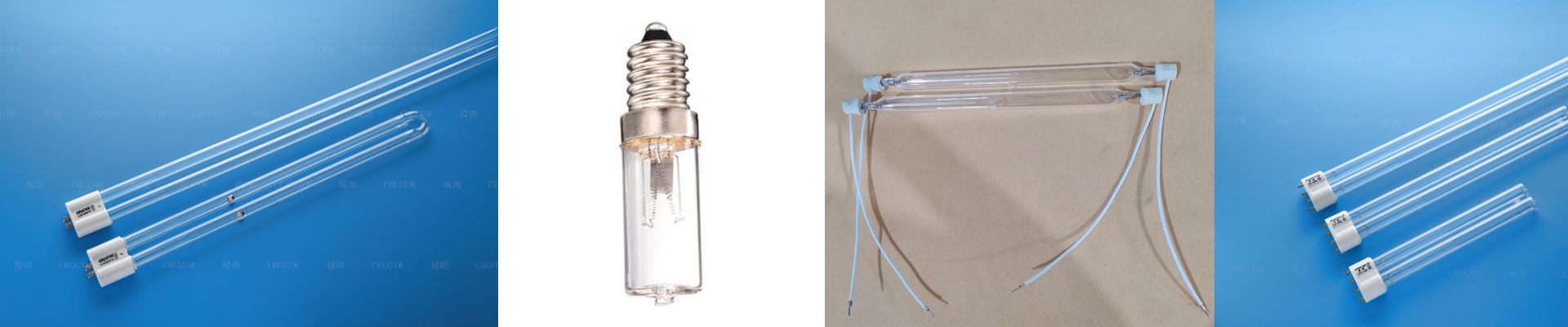
Mercury UV Lamps with Reflectors: The Secret to Steady, Sharp Label Printing
If you’re running flexographic label jobs, you know ink curing isn’t a maybe—it’s a split-second timing act. The UV lamp has to hit the ink with steady, strong energy, right when you need it, without wavering. That’s exactly why we built our mercury UV lamp with a matched reflector. It’s for label lines where registration has to be spot-on and print clarity can’t be negotiated.
Power, Voltage, and the kind of stability you can feel
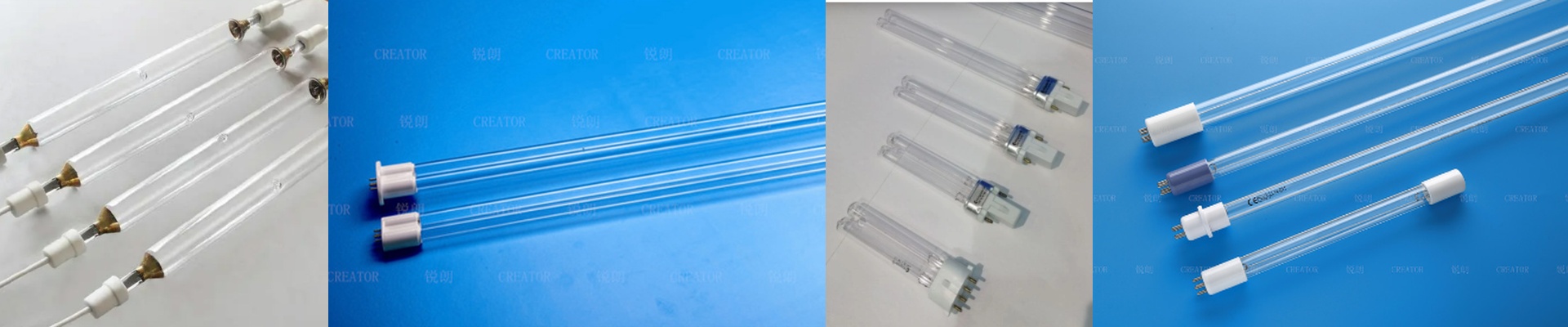
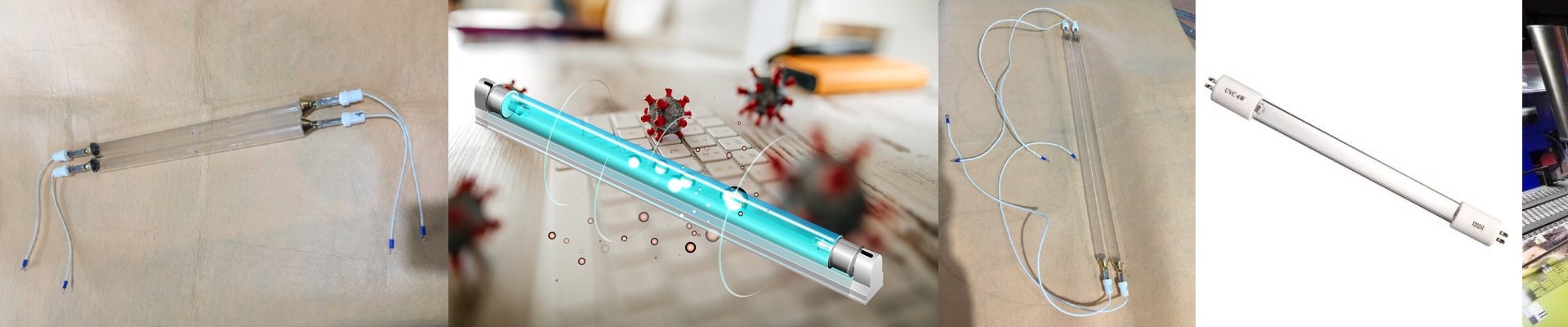
Inside, we use a high-intensity arc tube that gives you the short-wave output fast-curing inks crave. It runs on standard industrial voltage and keeps watt density even across the arc length, so every job cures the same way, again and again. The reflector isn’t an afterthought. It’s matched to the tube, so the energy goes where it should—onto the substrate—and you don’t waste power. Why does stability matter so much? Because even small drift in UV output changes how the ink cures on the surface, and that shows up as blur or halation around fine detail. We hold output tight over time, so when your press speed shifts, you’re not chasing cure settings.
The build: quartz tube, coated reflector, and a mount that stays put
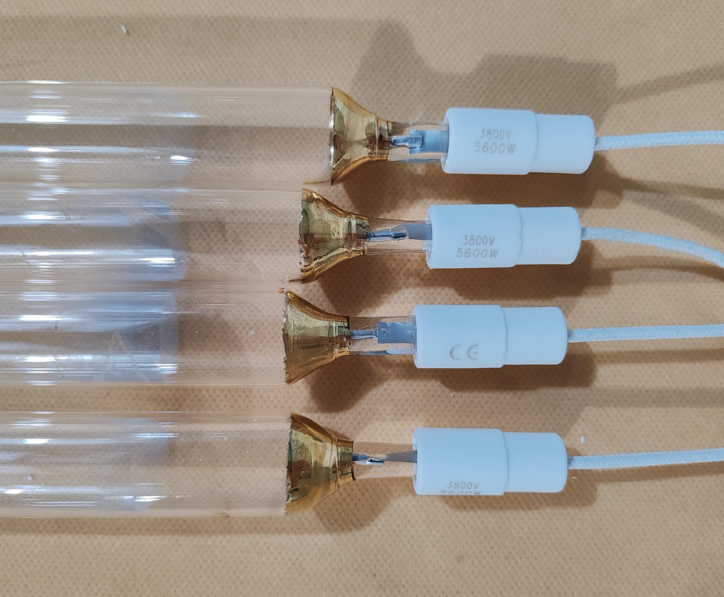
The arc tube is quartz, because it transmits UV well and handles sudden temperature swings without cracking. The reflector uses a stable, high-reflectivity coating to keep the beam even. That evenness matters on press. Uneven reflection creates hot and cold spots, and that leads to uneven cure and registration drift. Installation is straightforward. The lamp comes as a drop-in assembly with a sturdy end-cap and a standard pin interface, so you can get it in quickly and count on it being repeatable. The reflector sits in a rigid housing, so alignment holds even when the press is humming and vibrating.
What it does on a flexo label press
On the floor, the UV lamp cures ink the instant the substrate passes under it. With this lamp and reflector setup, you get a controlled cure window—enough punch for rapid set, without overheating the label stock. That means less dot gain, and it stops ink migration that makes edges fuzzy and colors bleed. Now, there’s a trade-off: the higher watt density you need for fast curing does create more heat, so your cooling system has to be properly sized. Keep it within the rated ambient, and you’ll see stable output, consistent print quality, and fewer headaches at make-ready. We built this to be the kind of workhorse you wire up, set, and just run. No fuss. Just dependable performance.