Getting Your UV Curing Right: No More Tacky Ink or Melted Parts
Let’s be honest: UV lamps aren’t just bulbs you screw into a socket. They’re the heartbeat of your entire curing process. When you’re running high-speed printing or industrial coatings, you need that ink to snap from liquid to solid in a heartbeat. We don’t just ship you a box of tubes and wish you luck. We sit down with you to figure out the exact wavelength and intensity you need so your production line keeps moving instead of becoming a bottleneck.
The Heat Struggle
Here is the thing about power density. If you’ve got thick ink or your conveyor is flying, you need high wattage. It gets the job done fast. But there’s a catch. More power means more heat. If your cooling system can’t keep up, you’re looking at warped substrates or lamps that burn out way too early. It’s a balancing act. We help you find that sweet spot where you get a perfect cure without melting your product.
Picking the Right Light
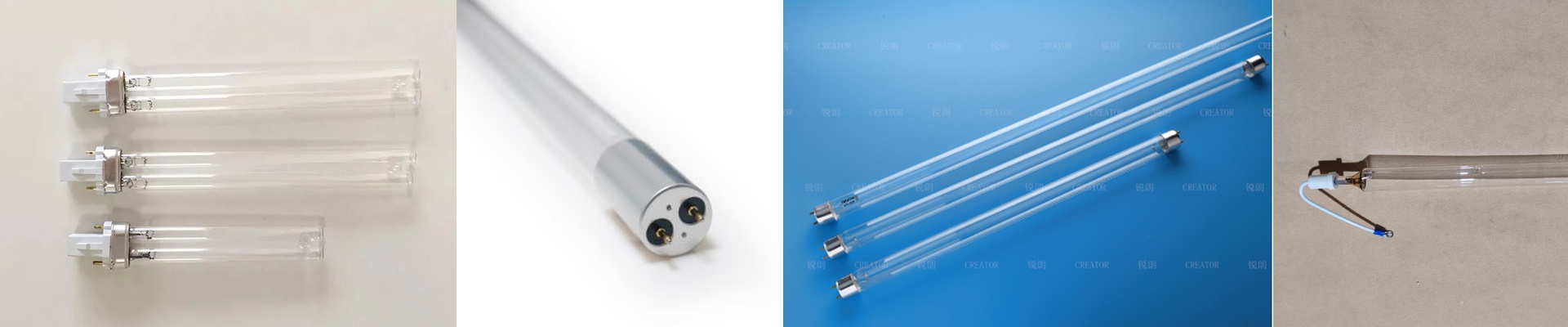
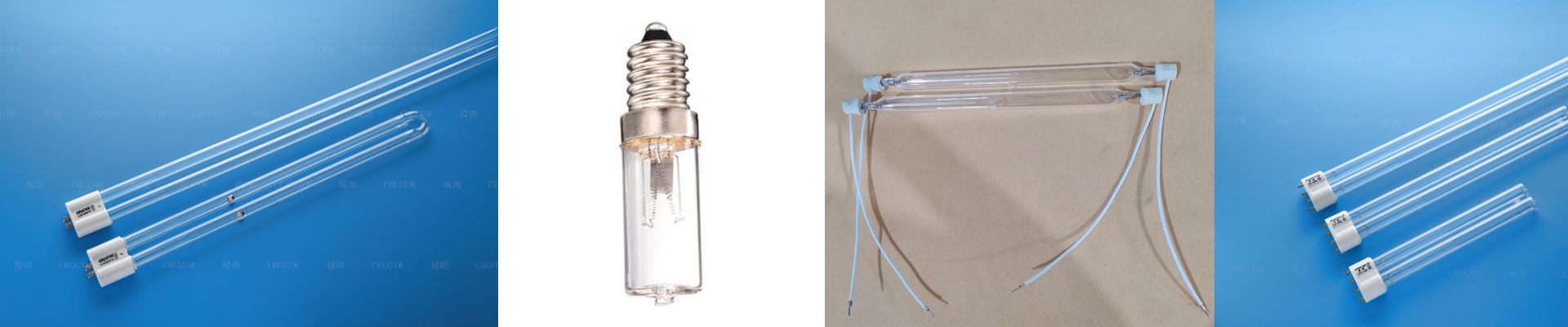
Not all UV light is created equal. Different inks react to different bands. If you need a rock-hard surface, you’re looking at short-wave. If you need the cure to penetrate deep into the material, you need longer waves. This comes down to the gas fill and the glass we use. It has to be exact. Plus, we stick to standardized connectors. They just slide right in. No fuss. We make sure they seat properly in the socket because nothing kills a workday faster than electrical arcing and blown end-caps.
Tuning the Process
You could have the most expensive lamp in the world, but if your reflector is off, it’s useless. We look at the whole setup—the angle, the distance to the part, the whole footprint. If the positioning is off by even a bit, you get “cold spots.” You know the feeling: you touch the finished part and it’s still tacky. That’s a nightmare. It means waste, complaints, and expensive re-runs. We’ll work with you to tune the focal point until it’s dialed in perfectly.