Getting the Most Out of Your 80W/cm Mercury UV Lamp
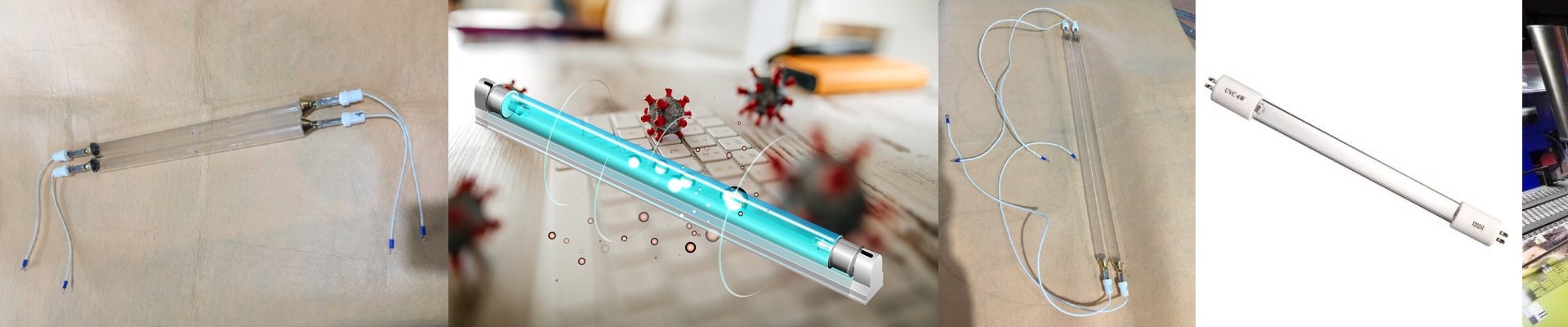
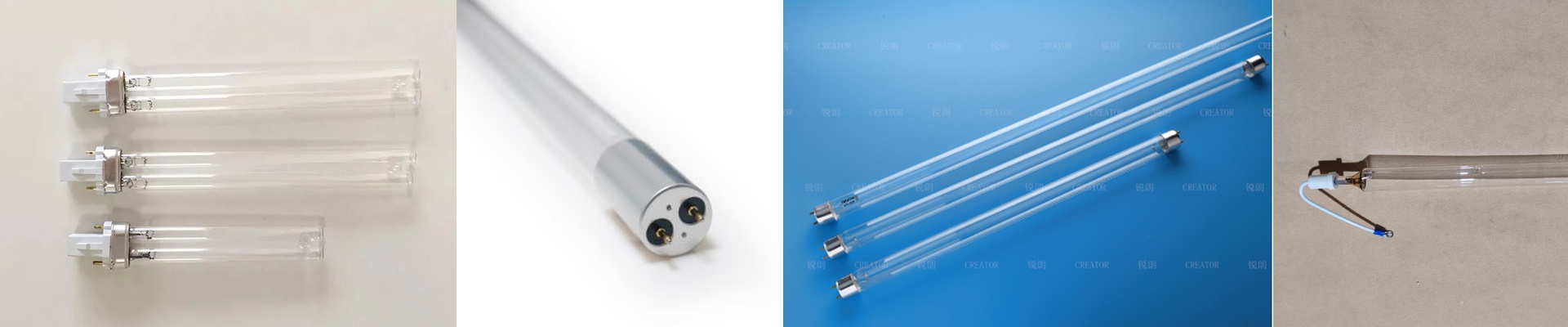
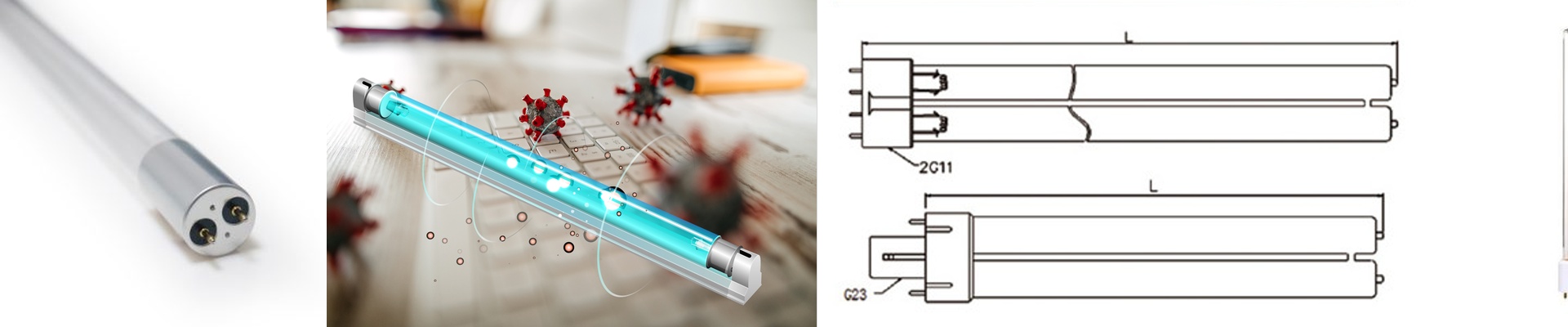
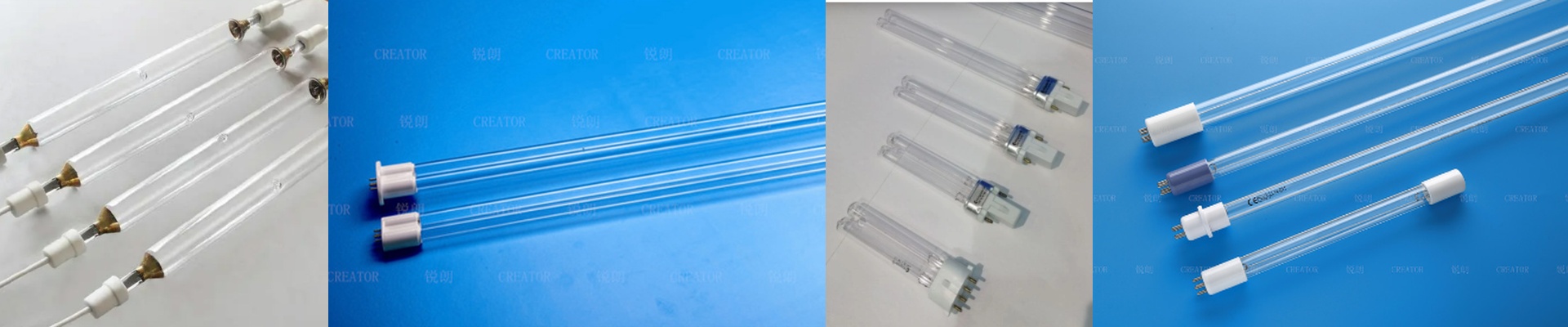
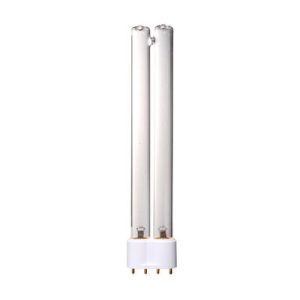
If you’ve ever dealt with tacky spots on a finished piece, you know how frustrating it is. That’s why we build our 80W/cm lamps the way we do. We make sure the UVC/UVB output stays steady from one end of the tube to the other. No dead zones. Just a clean, full cure every single time. The Heat Factor Here is the thing about 80W/cm: it’s a lot of power hitting your substrate. And where there’s power, there’s heat. You really need to double-check your cooling setup. Whether you’re using air or water, it has to be able to keep up. If the lamp gets too hot, you’re looking at deformed quartz or electrodes that burn out way too early. It’s a headache you just don’t need. What’s Happening Inside Inside that quartz envelope, we’ve got mercury vapor doing the heavy lifting. Once it’s powered up, it pumps out photons—mostly at 254nm and 365nm. This is the sweet spot for most UV resins. We use high-purity quartz for a reason. Cheap glass would just block the radiation, and you’d be left with a very expensive, glowing lightbulb that doesn’t actually cure anything. Keeping Things Running These are designed to be simple drop-in replacements. We spend a lot of time on electrode stability because nobody wants their lights flickering in the middle of a high-speed print run. One quick tip: don’t trust your eyes to tell you when the lamp is dying. The UV output drops off long before the visible light fades. Your best bet is to keep an eye on the hour-meter. And please, be careful with your ballast. It’s tempting to over-drive the lamp to try and squeeze out more power, but that’s a shortcut to a ruptured tube. We can help you match the right ballast so you get that full 80W/cm without killing the lamp in a few hundred hours.