Getting the Most Out of Your Mercury UV Lamps
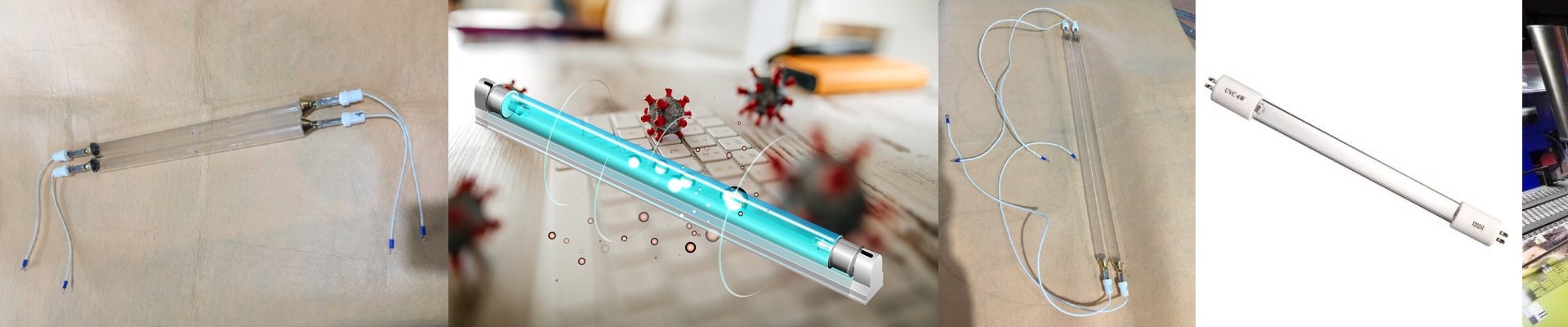
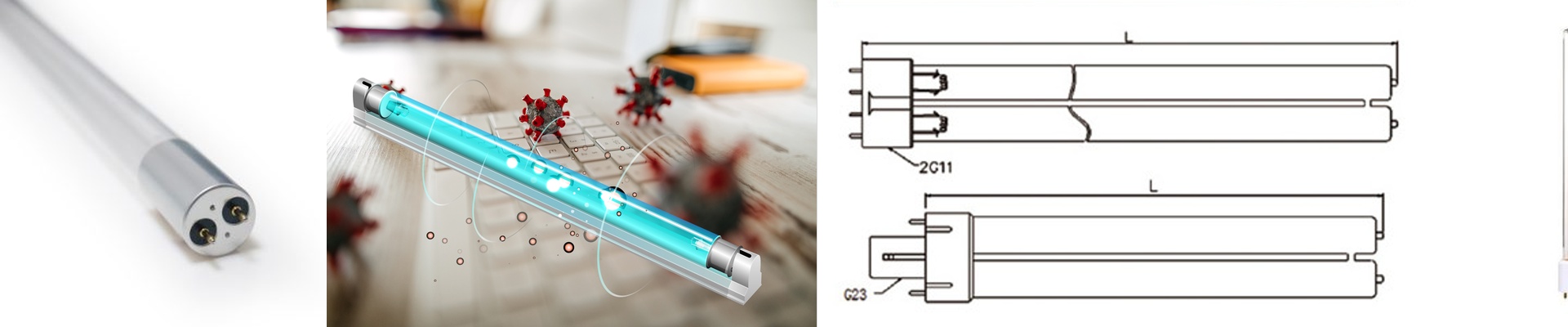
Let’s be honest: mercury vapor lamps are the old-school workhorses of the industrial world. They’ve been around forever because they just work. We build these bulbs to hit your inks and coatings with a heavy dose of UVC and UVB radiation, which is what actually triggers that chemical reaction to get everything to dry and set.
Power, Voltage, and the “Tacky” Problem
Here is the thing about power. It’s all a balancing act between the wattage and the length of the arc. If you need your line moving fast, you need high wattage to get that intense hit of energy. But you have to be careful with your ballast. If the voltage and current don’t match the bulb exactly, you’re asking for trouble. You’ll either fry the bulb way too early, or you won’t get enough UV output. And nobody wants to pull a finished run off the line only to find the coatings are still tacky to the touch. It’s a nightmare.
Heat, Quartz, and the “Blue Glow” Trap
We use high-purity fused quartz for the glass. It’s tough, and it lets the UV rays pass through without soaking them up, all while handling the insane heat from the mercury arc. But watch out for “solarization.” As a bulb gets old, the quartz changes. The lamp might still look bright blue to your eyes, but the actual UV output is dropping. It’s lying to you. And please, don’t skimp on cooling. These lamps put out a massive amount of infrared heat. If your fans or water jackets aren’t up to the task, the quartz will simply overheat and crack. Simple as that.
Keeping Things Running Smoothly
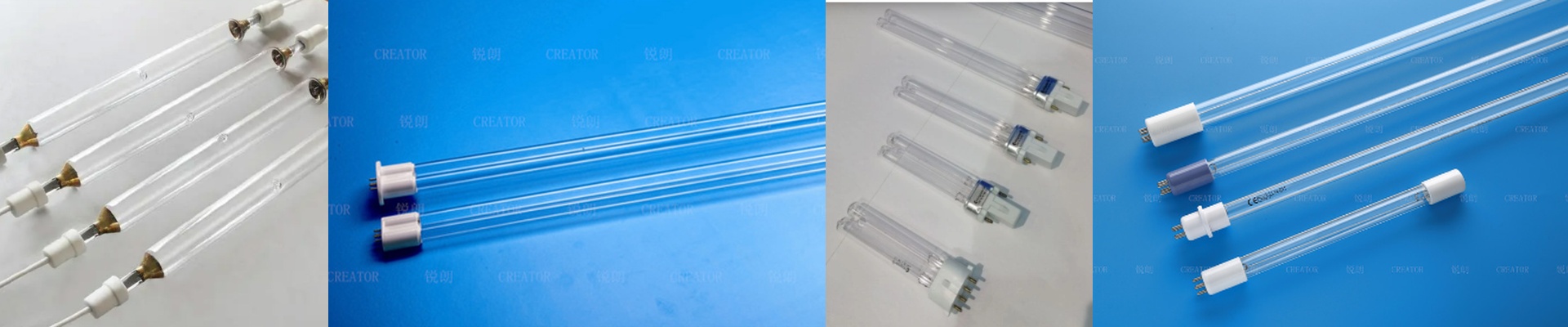
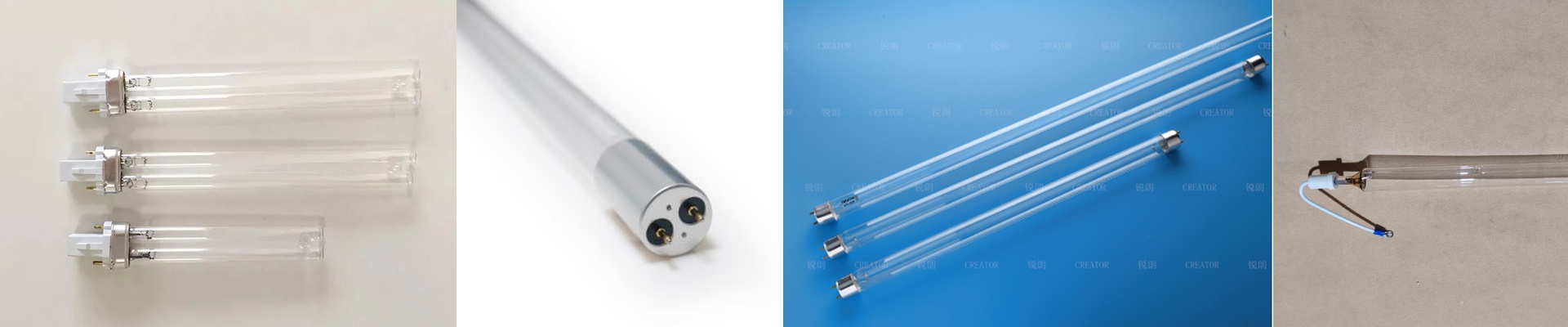
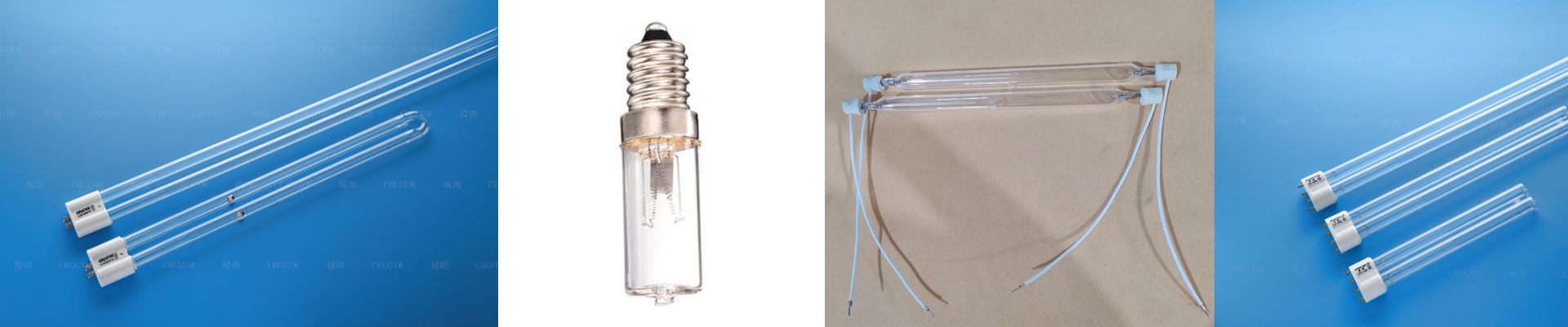
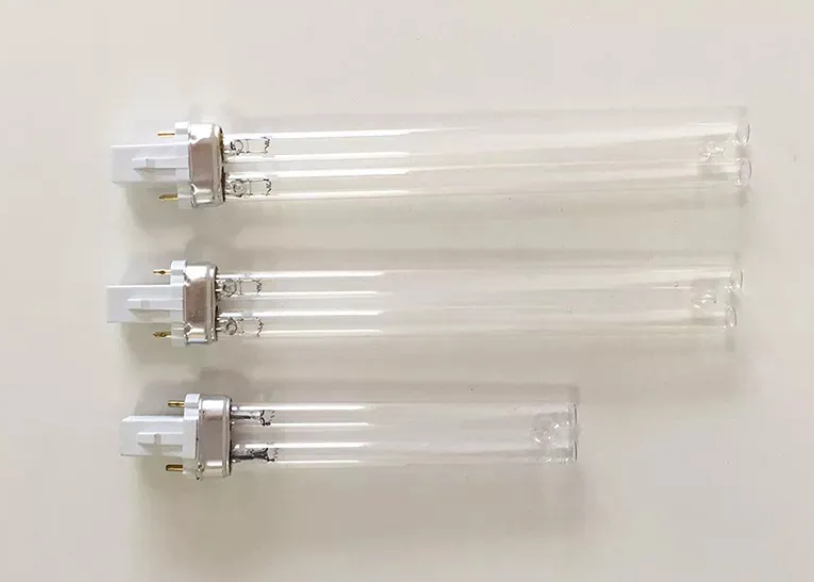
Most of our bulbs are designed to be easy drop-in replacements for your printing presses. We keep the tolerances on the pins and end caps tight so you get a solid electrical connection without any fuss. One big tip:Stop touching the quartz with your bare hands. I know it seems minor, but the oils from your skin create tiny hot spots. When the lamp heats up, those spots become weak points, and the glass can fail in the first few hours. If you’ve already touched it, just wipe it down with some isopropyl alcohol before you slide it in. It keeps the footprint clean and your output consistent.