Getting Your UV Curing Right (Without the Guesswork)
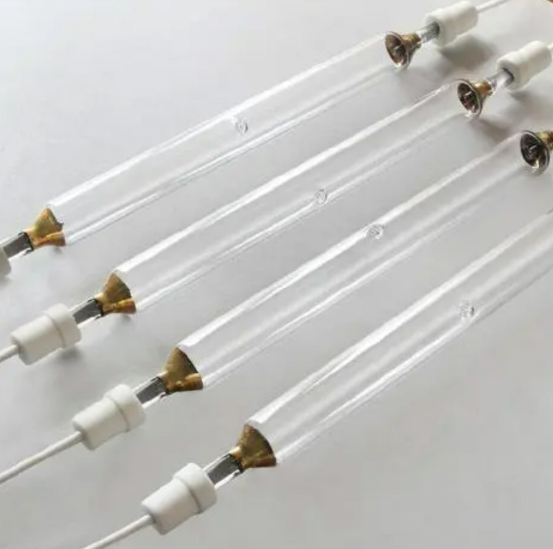
Look, we don’t just ship tubes in a box. We build the actual UV sources that keep your curing lines moving. When you’re picking out a mercury UV lamp for printing or textiles, it really comes down to physics. If the arc discharge isn’t right, your throughput suffers. Simple as that. Power and the “Sweet Spot” Here’s the thing: mercury lamps hit a specific UV spectrum that tells your ink to harden. But you can’t just crank the power and call it a day. If you shove too much wattage into a short tube to get more heat, you’re asking for trouble. You’ll end up scorching the ink or warping your substrate. It’s a balancing act. You have to match the lamp’s power to your conveyor speed. Get it right, and everything flows. Get it wrong, and you’re staring at a pile of scrap. The Glass Matters We use high-purity fused quartz. Why? Because cheap glass blocks the shortwave UV. When that happens, you’re just paying for heat instead of actually curing your product. Plus, these lamps take a beating. They’re constantly heating up and cooling down. We build our electrodes to handle those start-stop cycles so they don’t just burn out the moment things get busy. It’s More Than Just the Lamp A great lamp is useless if it’s sitting in a junk reflector or a choked cooling system. If your reflector is pitted or the air isn’t moving, your output drops. Period. That’s why we like to actually look at your setup. We’ll check the gap between the lamp and the material to make sure you aren’t getting “tacky” spots in the center of the web. Nobody wants to deal with rejected batches or surfaces that feel sticky. We’ll give you the raw data—the spectral distribution and the decay curves—so you can wire it up and run your line at full tilt. No guessing. No headaches.