How UV Curing Actually Works (And Why It Matters for Your Line)
UV curing isn’t just about shining a light on some ink. It’s more like a precise hit of energy that forces a chemical reaction to happen instantly. We build our lamps to do the heavy lifting so your printing and coating lines can move fast. The goal? Turn liquid ink into a solid, hard polymer in a matter of milliseconds.
Getting the Power Right
We don’t just guess the specs. We look at the photoinitiators in your specific ink and build the lamp to match. It’s a balancing act. You need the right wattage and tube length so the light hits every inch of the material evenly. If you’re underpowered, you end up with that annoying tacky feeling on the surface. But if you crank it too high? You’ll scorch the material or deal with shrinkage. We calibrate everything to make sure the cure goes all the way through, even on those tricky non-porous surfaces.
Heat and Glass
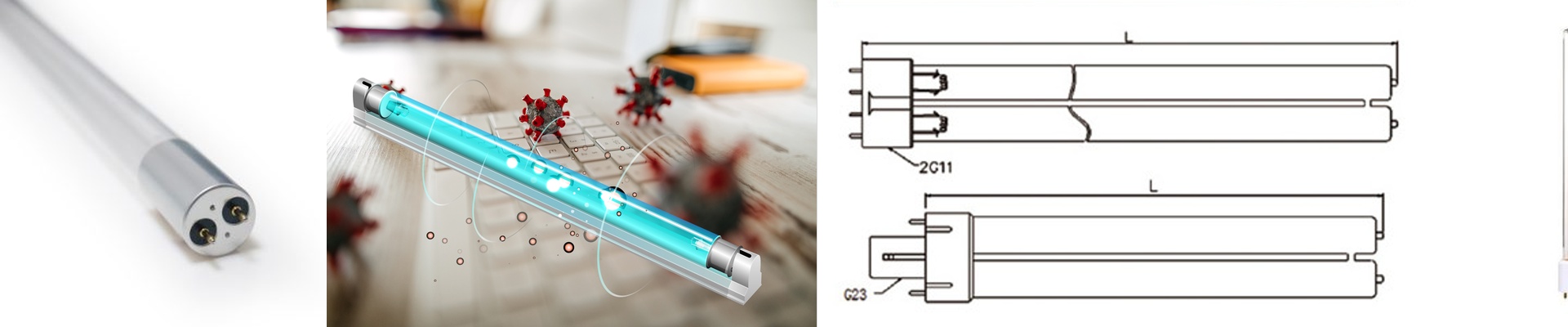
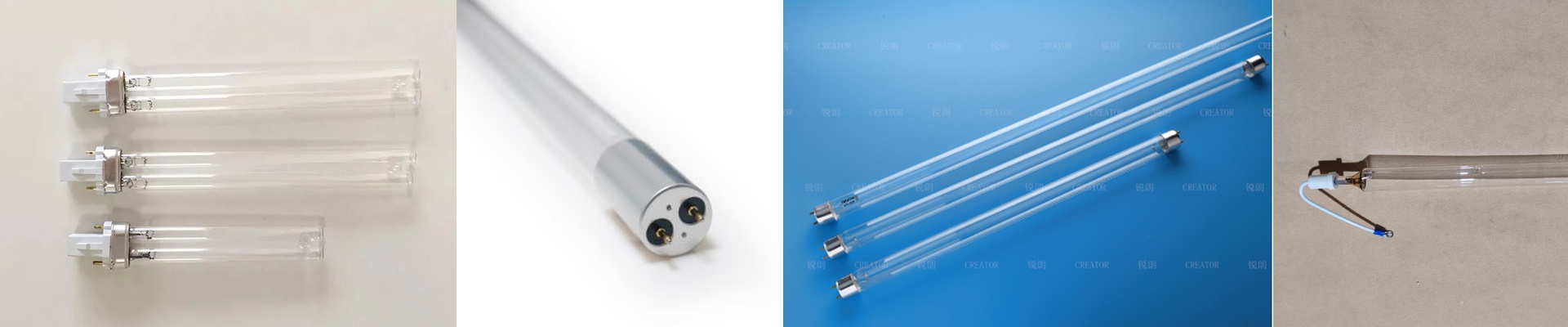
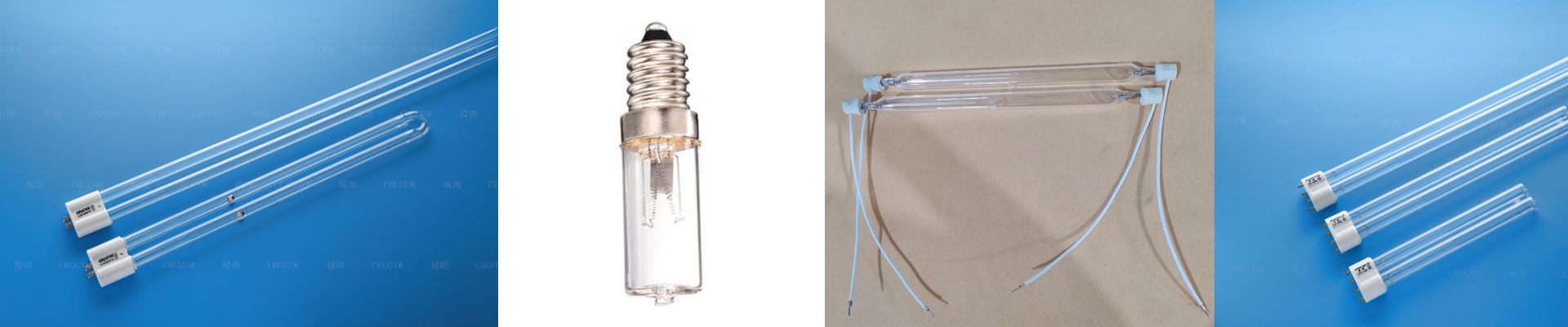
We use high-purity fused quartz for the envelopes. Why? Because it lets the short-wave UV radiation pass straight through without the glass soaking it up. But here is the catch: these things gethot. A high-wattage tube pumps out a lot of infrared heat along with the UV light. This is where your cooling fans or water-jackets come in. If you don’t have the right cooling setup, the quartz can stress and crack, or your electrodes will just burn out way faster than they should.
Making it Work in the Real World
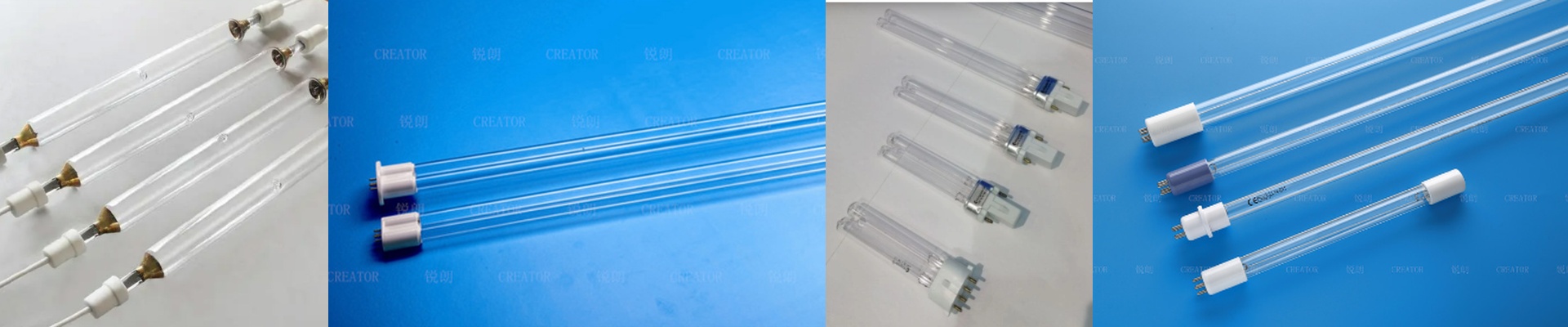
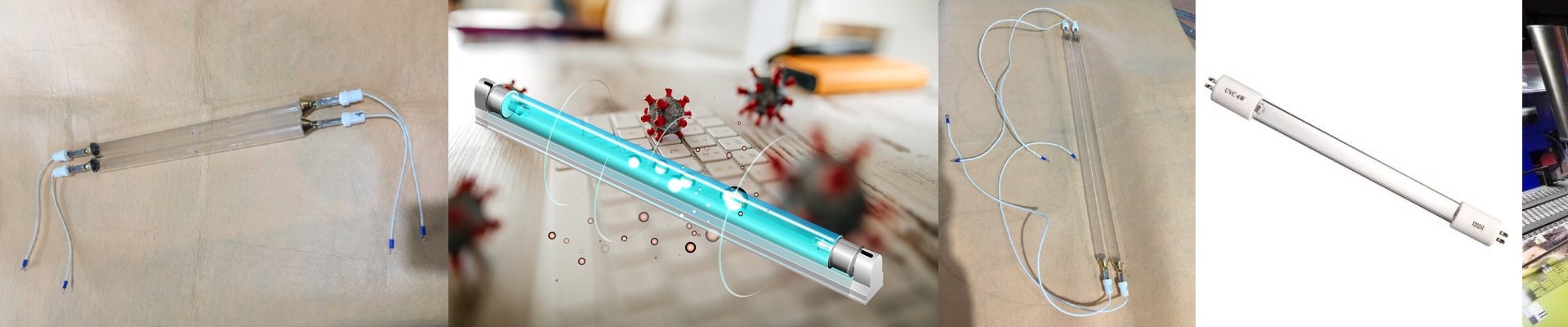
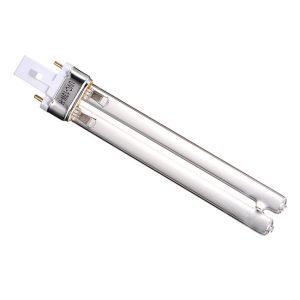
Our lamps are designed to be simple drop-in replacements. No fuss. We spend a lot of time obsessing over the contact points—where the lamp actually hits the socket. That’s how you stop arcing and prevent random burn-outs. And honestly, alignment is everything. If a lamp is off by just a few millimeters, you’ll get “dark spots” in your cure. That usually means a whole batch of rejected product, which is a nightmare. We give you the exact dimensions and electrical ratings so you can just wire it up and hit your target line speed without any guesswork.