Stop Settling for “Off-the-Shelf” UV Lamps
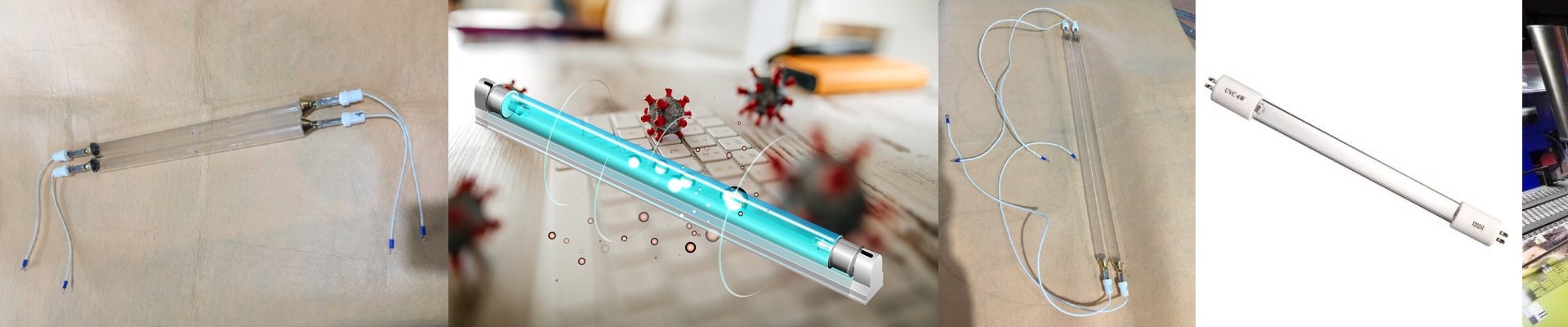
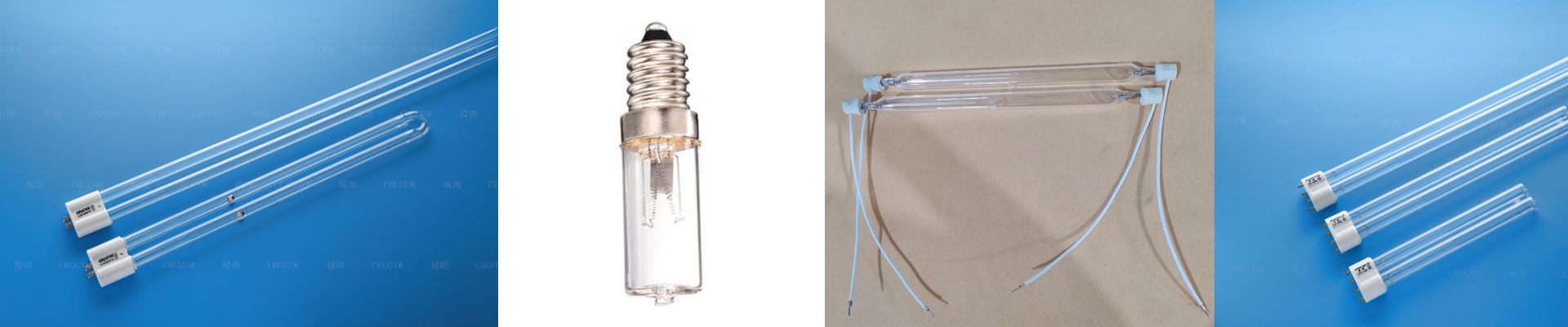
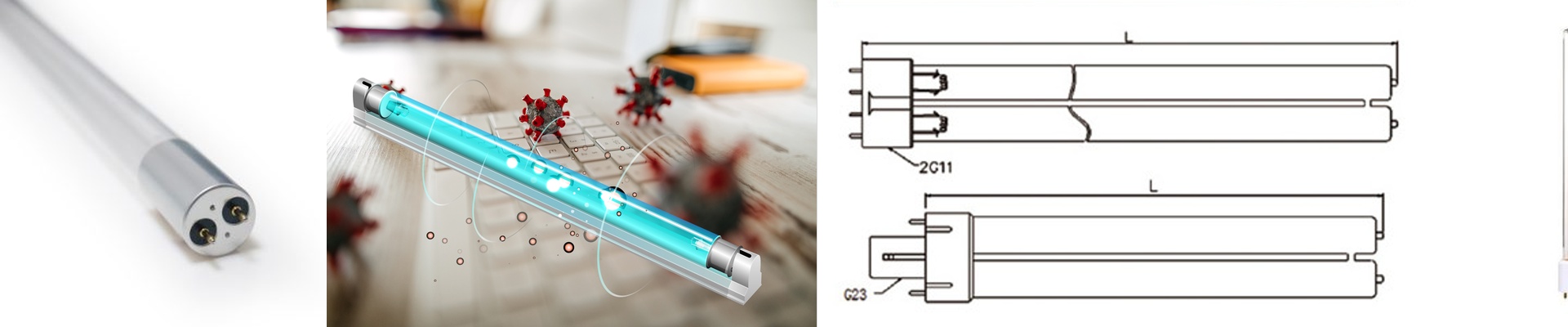
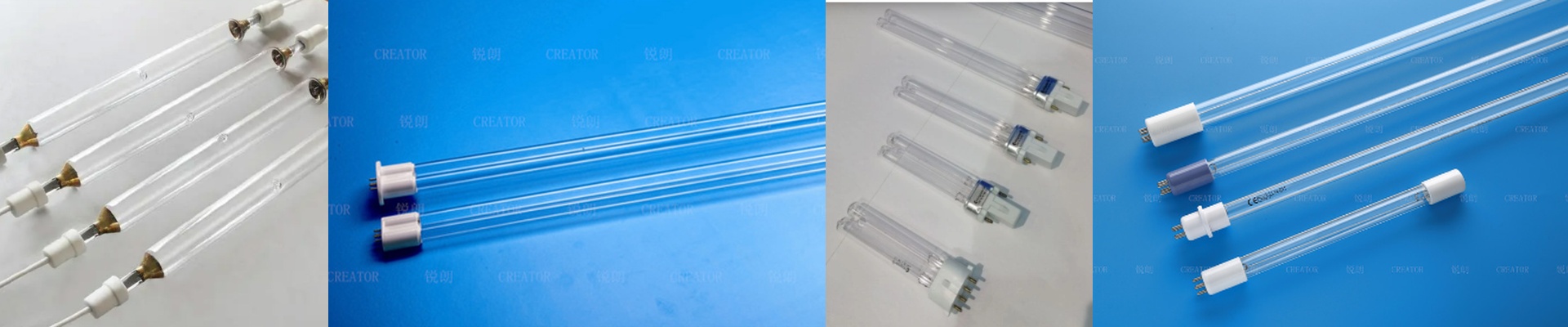
Most suppliers just ship you a bulb and wish you luck. But here’s the thing: if you’re running high-speed lines or fighting with tricky ink chemistry, a generic lamp usually isn’t enough. You end up with surfaces that stay tacky or, even worse, substrates that actually scorch. It’s frustrating. We do things differently. We treat lamp manufacturing more like a puzzle we solve with you to get rid of those bottlenecks. Getting the chemistry right It all comes down to the balance between wattage and wavelength. We don’t guess. We tweak the electrode setup and the gas fill to hit the exact peak wavelength your photoinitiators need to actually work. If you’re layering on thick UV varnish, for example, we crank up the power density. Why? Because you need those rays to punch all the way through to the bottom. There’s nothing worse than “skinning”—where the top looks cured, but the base is still a sticky mess. Dealing with the heat High-wattage lamps get hot. Really hot. We design the lamp footprint to fit your reflectors perfectly so you don’t end up with dangerous hot spots. And if we push the wattage to help you speed up your line, we’ll make sure your cooling system—whether it’s air or water—can actually handle the load. If you ignore this part, your bulbs burn out way too fast or your materials start to warp. Making it actually work in your shop You don’t want to spend your weekend rewiring your entire ballast system. We make our replacements “drop-in,” meaning they match your current voltage and connectors. Simple. We spend our time obsessing over the physics. We look at how fast your conveyor is moving, how far the lamp sits from the product, and how thick your ink is. When we dial those in, you don’t need a massive, power-hungry array of lamps. You get exactly the dose of energy you need. Your line stays cool, your power bill stays down, and the job just gets done.