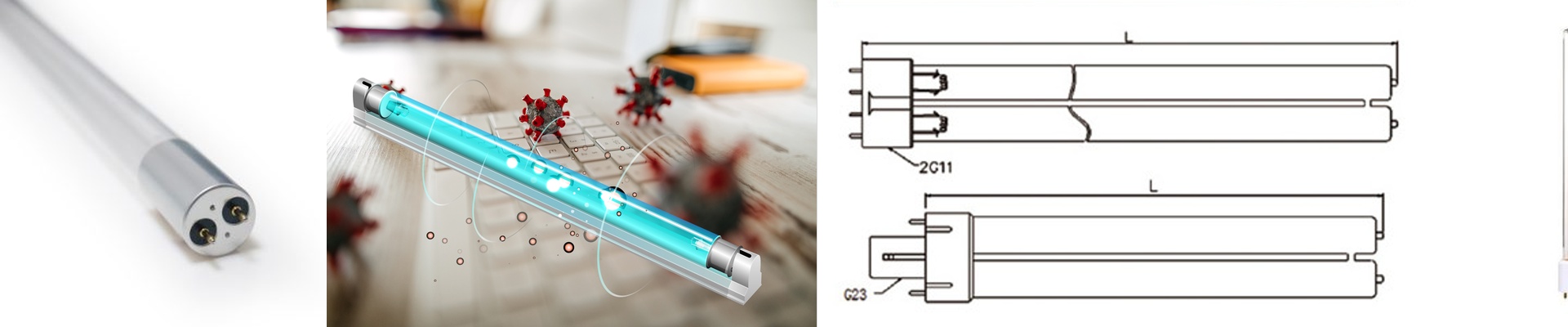
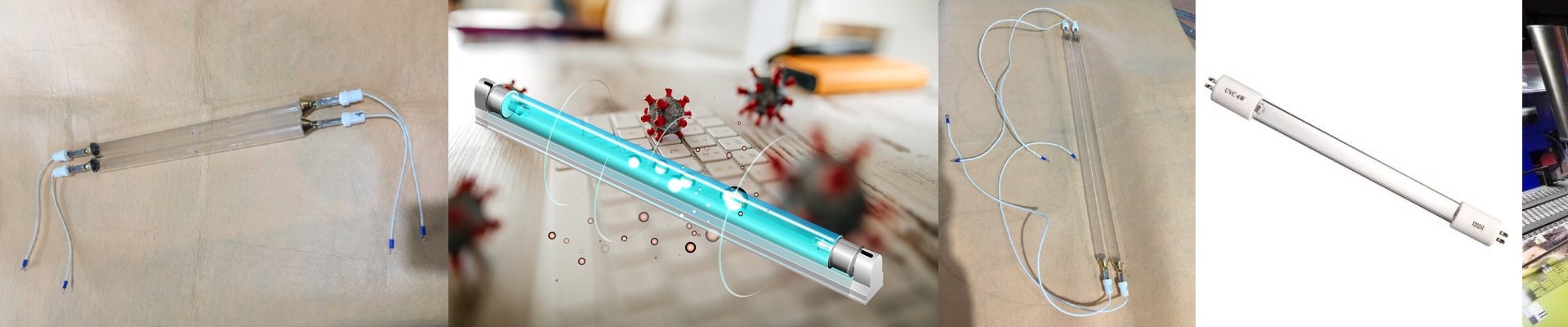
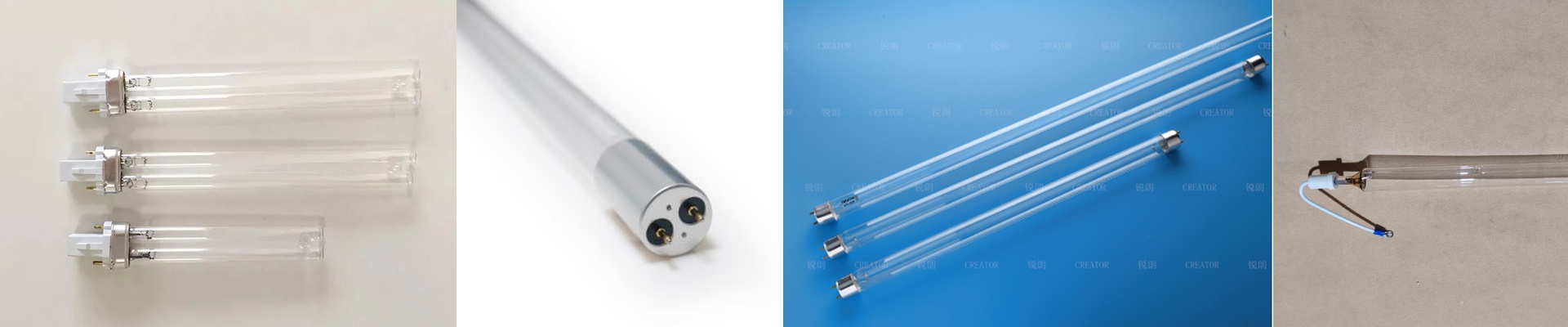
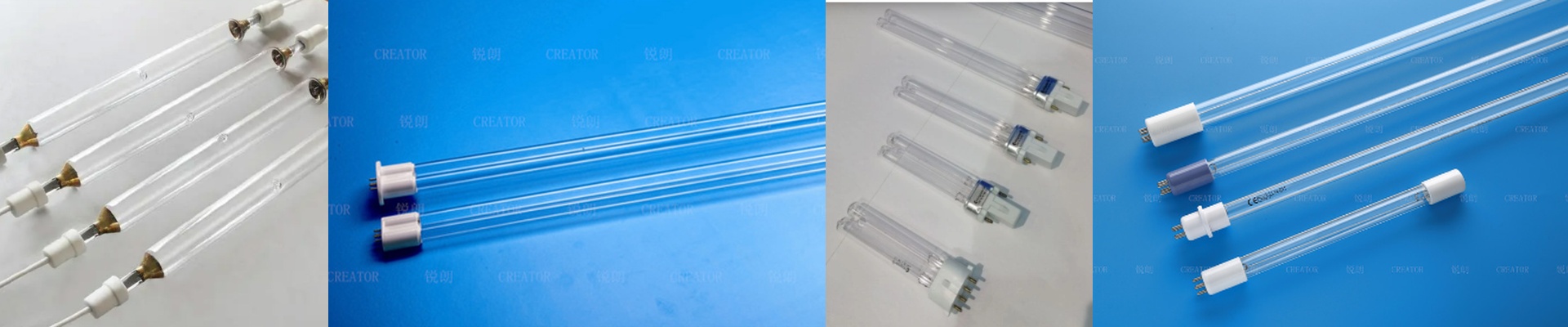
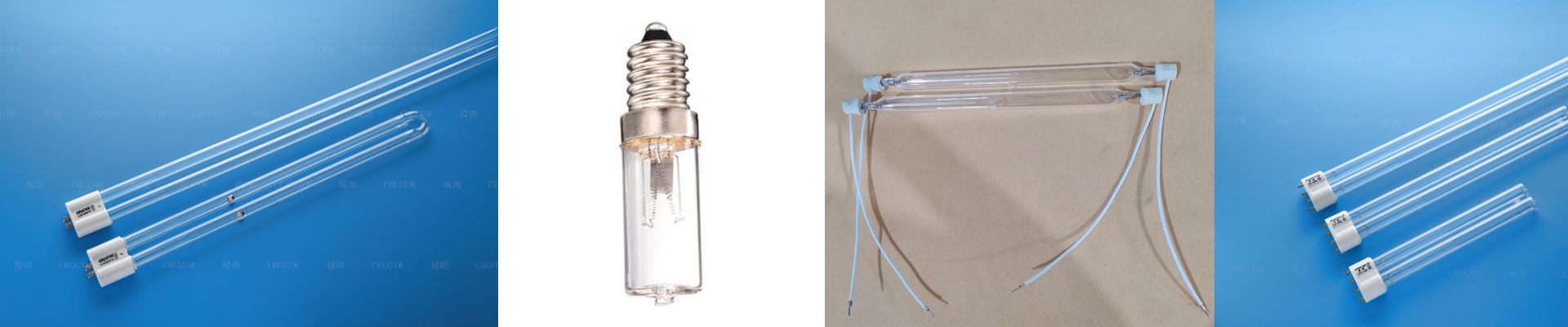
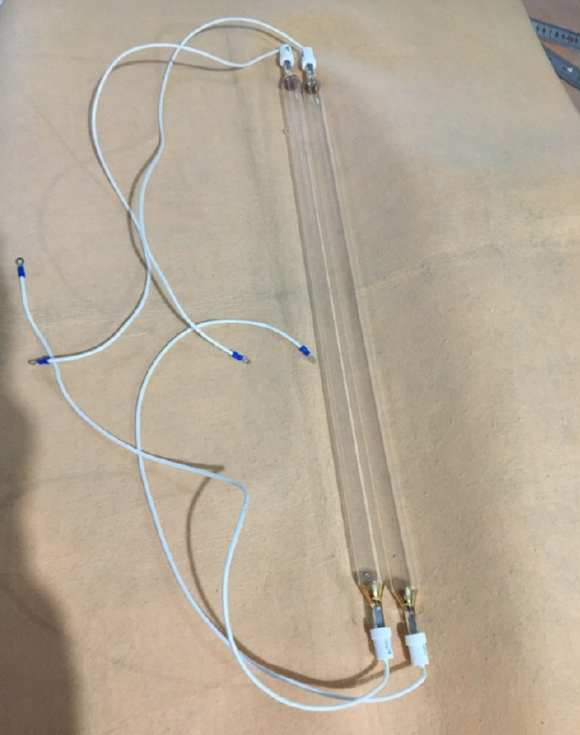
In art restoration, the UV cure isn’t just another step—it’s the hinge the whole project swings on. One lamp goes down, and conservation stops. You’re suddenly staring at wasted time, materials on the line, and artifacts you can’t afford to risk. We don’t just drop off lamps. We show up, walk the floor, and dig into your UV curing setup until we find the real pinch points. Then we lay out a plan that fixes what’s actually slowing you down. What actually matters under the hood Our lamps are built around stable spectral output and consistent peak irradiance—exactly what you need for controlled cross-linking on fragile substrates. We keep the wavelength locked in, typically 365nm, so it matches the photoinitiator absorption without dumping extra heat into the piece. These units routinely run beyond 5,000 hours with low attenuation. The reflector efficiency and dichroic coatings are matched to arc length and power density, so output stays uniform across the curing zone and you don’t lose performance over time. Why this plays in restoration In the studio, you need repeatable, low-heat curing that won’t yellow the work or stress the substrate. Stable spectral output and precise energy delivery give you the same result every pass—fewer rejects, less rework. Long service intervals mean fewer lamp swaps, which cuts downtime and keeps maintenance manageable. Add in our on-site diagnostics, and you end up with a process you can document and repeat, aligned to conservation standards. The practical details that save headaches Compatibility is everything. Swapping in a new lamp means matching the existing ballast, connector, arc length, and power density. We give you the dimensional and electrical specs up front, then verify reflector alignment and confirm ozone-free operation. Plan for airflow and thermal management. Even low-heat UV systems need controlled operating conditions to keep spectral consistency and protect lamp life.