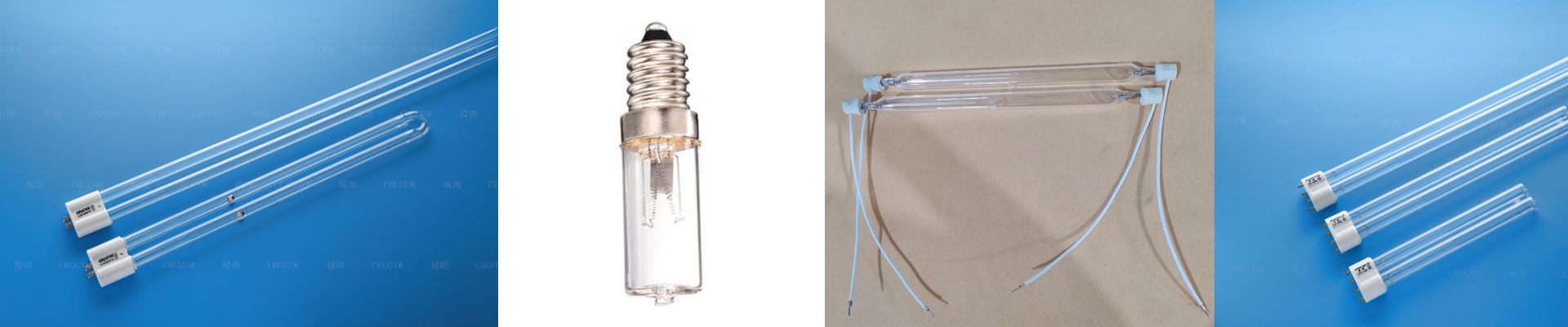
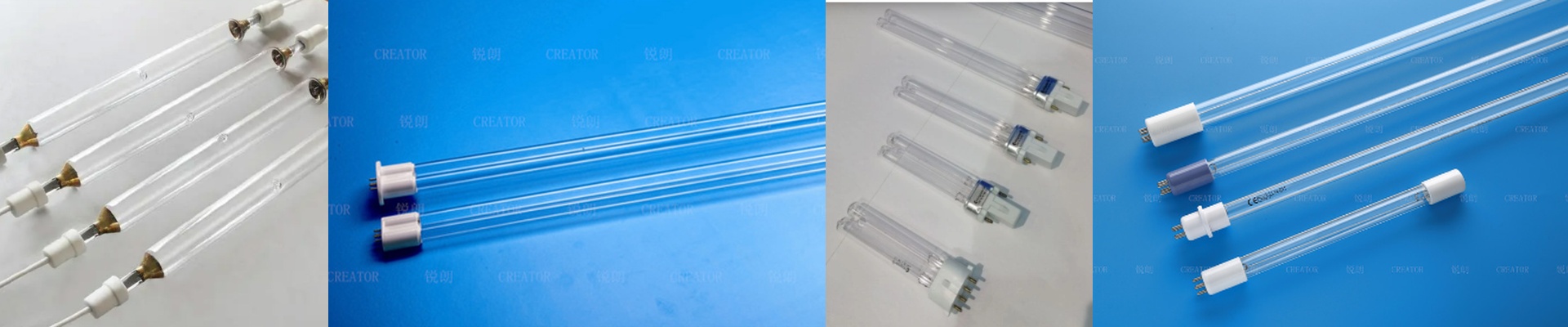
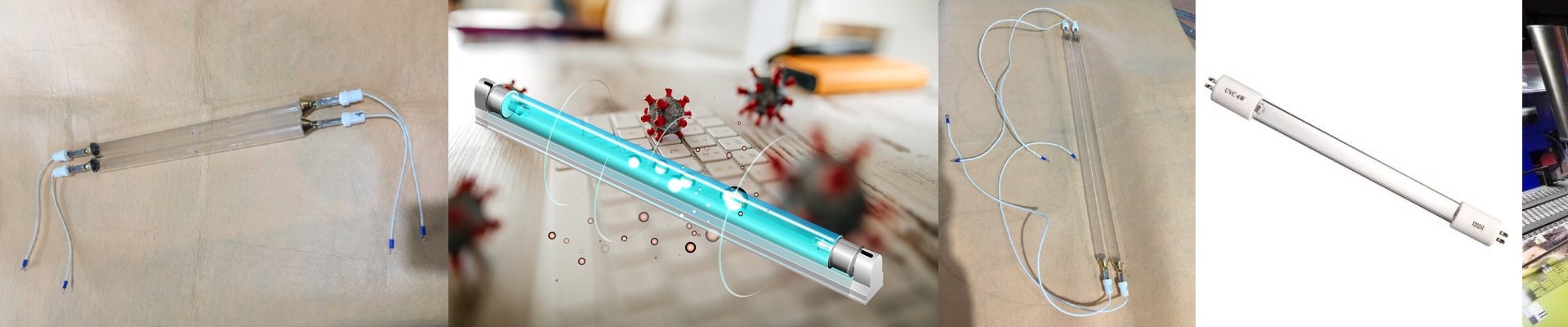
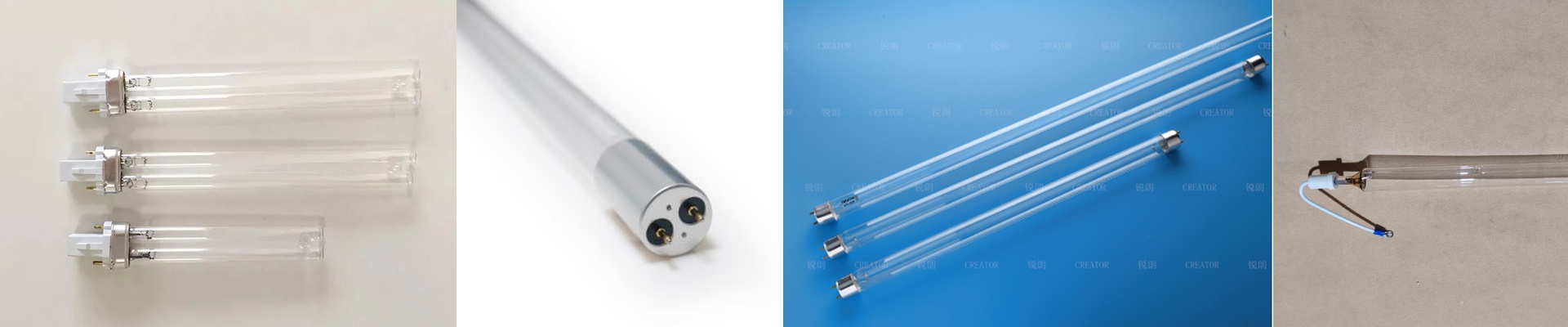
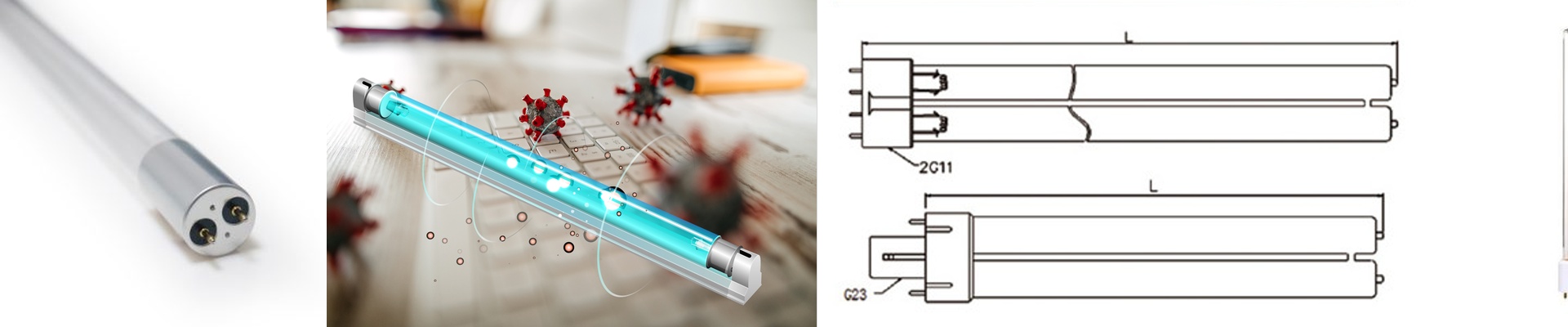
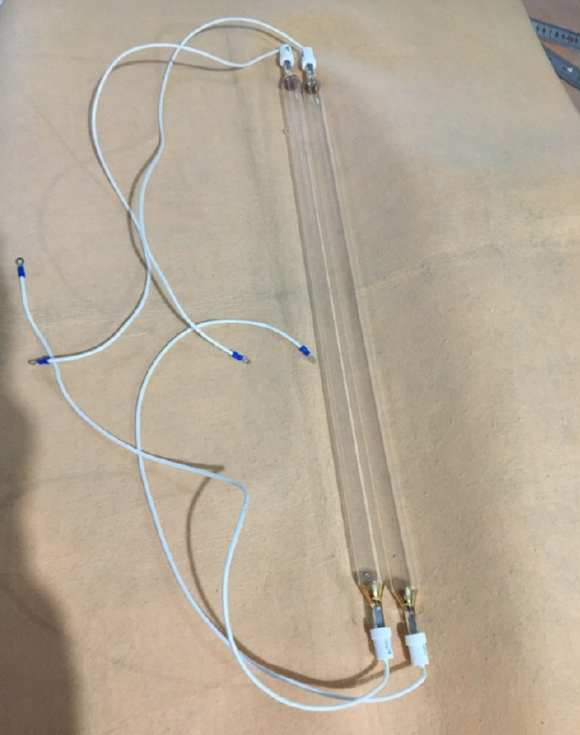
Out on the line, you watch an irregular plastic housing come off the press with that stubborn tacky patch—the curing shadow that kills the whole batch. It’s not a materials problem. It’s geometry. Standard UV sources throw energy in a broad pattern, and deep recesses get missed. The photoinitiator never gets triggered in those pockets. We built our UV aging lamps to fix exactly that—by controlling how the energy is distributed so it matches the part. What actually matters on the technical side Curing is measurable. We match the lamp’s spectral output to the ink’s photoinitiator window—365 nm for mercury-based systems—and hold a stable peak irradiance at the substrate. The relationship is straightforward: dose (mJ/cm²) equals irradiance times exposure time. Our reflector geometry and dichroic coatings shape the beam profile, concentrating usable energy where the part needs it and cutting down wasted output. The payoff is repeatable cross-linking, not crossed fingers. Why this approach works in real production Customized UV heating elements re-map the energy field across non-planar surfaces, clearing out dead zones on bosses, ribs, and undercuts. By tailoring the spatial intensity profile, the system cures the shadow without scorching the crown, keeping surface temperature inside the plastic’s thermal tolerance. You end up with consistent surface hardness, adhesion, and color stability—fewer rejects, and a cycle time that stays predictable. The practical details you can’t skip These assemblies need tight alignment and a fixed working distance; the engineered profile is optimized for one specific gap. Check your substrate reflectance and thermal limits—low-emissivity additives can shift the effective dose. And expect output decay as the lamp ages. Keep radiometer checks on the calendar every 2,000 hours so you don’t drift off target.