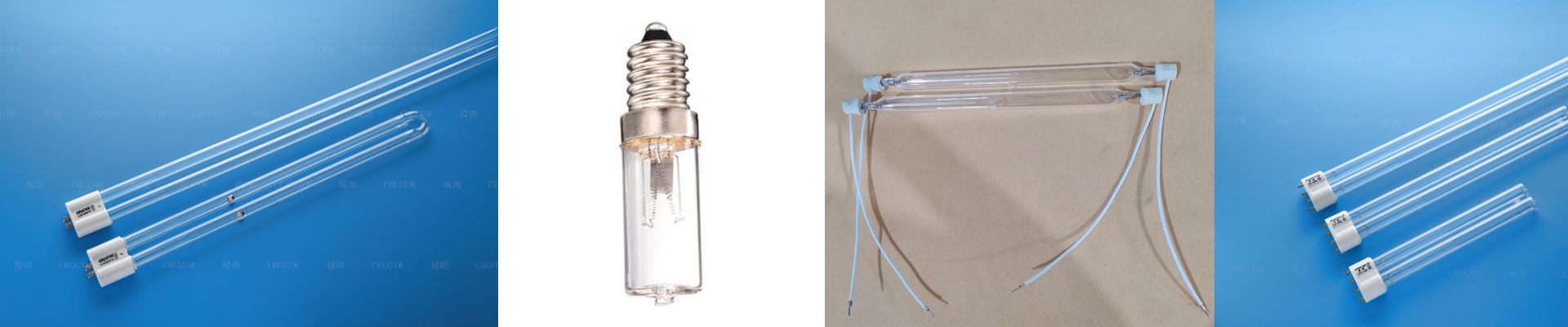
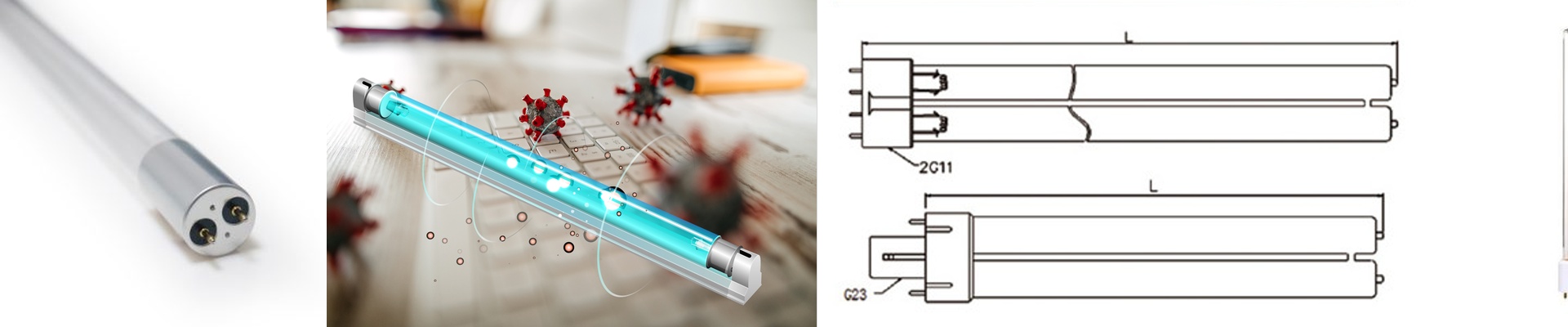
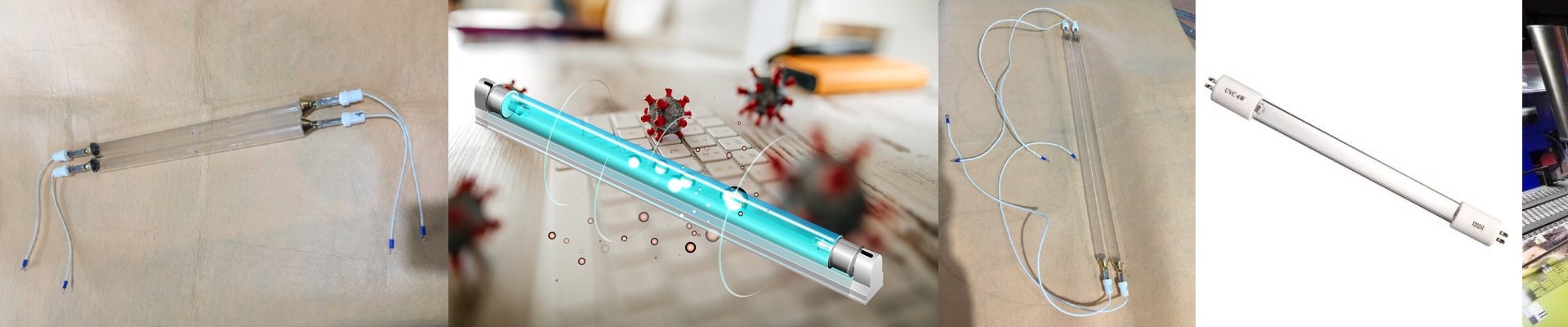
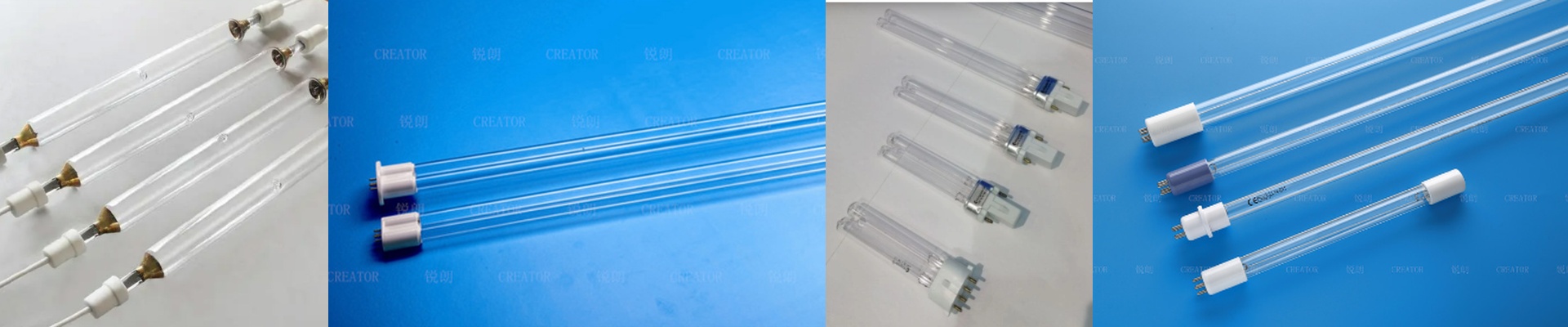
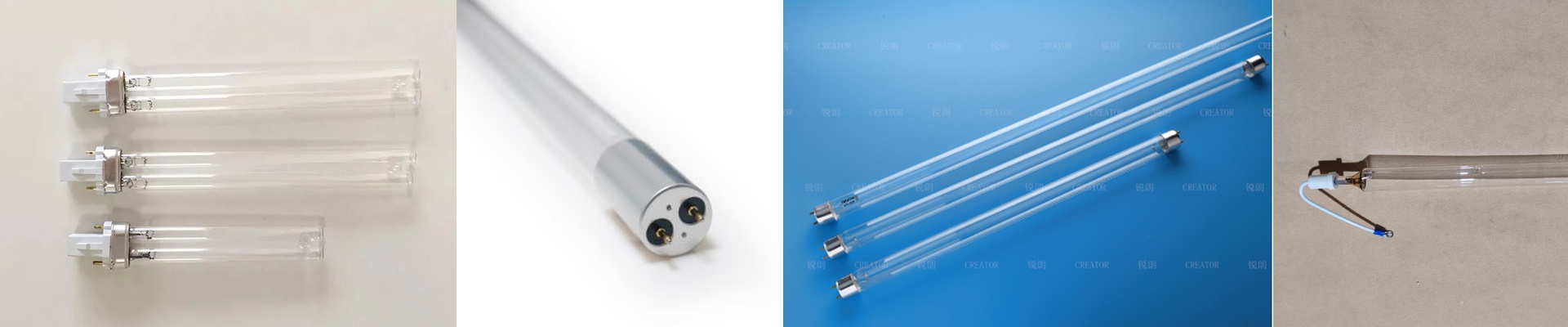
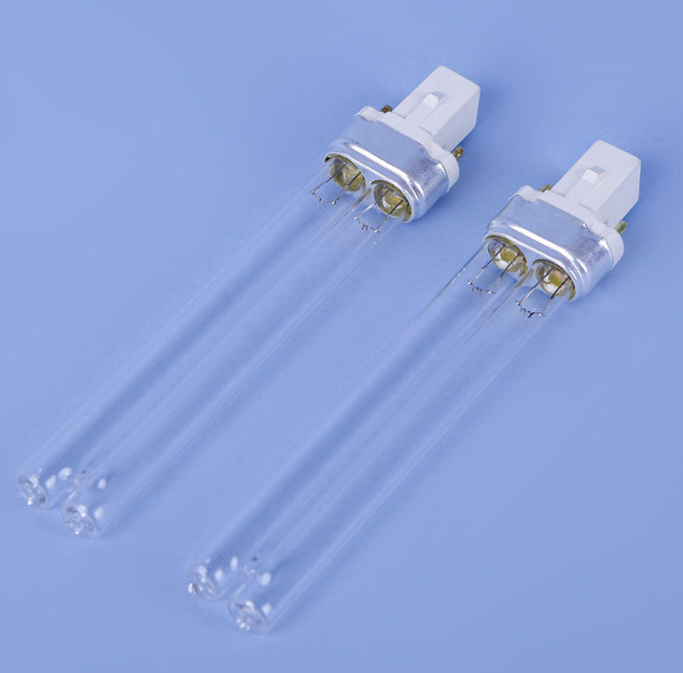
Walk the line where air purifiers get built, and the constraint hits you fast: the UVC lamps have to hit pathogens hard, without bathing people, parts, or plastics in unnecessary radiation. If exposure isn’t controlled, you either under-inactivate microbes, or you cook off ozone and heat that wreck filters and housings. The UV lamp shutter is what makes that control repeatable, shift after shift. We build these shutters to turn UVC output into a measured, scheduled event—open only when the airflow path is confirmed, and close the instant the dwell window is done. That discipline keeps microbial cross-infection risk contained, while protecting service staff and sensitive electronics.
What matters under the hood
A UV lamp shutter isn’t just a mechanical cover. It’s an optical and electrical interface that has to match the lamp, the fixture, and the machine’s safety logic. **Spectral output and germicidal effectiveness.**The target is 254 nm, straight from low-pressure mercury vapor lamps. That wavelength gets absorbed hard by microbial DNA and RNA, breaking replication chains. The shutter has to wait until the lamp hits stable output; otherwise you’re trying to disinfect with a moving target. **Irradiance, dose, and the math of inactivation.**Dose (J/m²) is irradiance (W/m²) times exposure time (s). In air purification, airflow velocity and chamber geometry set the exposure window, so the shutter has to deliver repeatable open times and consistent lamp output to hit the dose behind the claimed log reduction. If you need 40 mJ/cm² at the target surface to get the required kill, the shutter timing has to stay synchronized through voltage dips and as the lamp ages. **Lamp warm-up and shutter synchronization.**Low-pressure mercury lamps have a warm-up curve: output climbs over seconds until the plasma settles. The shutter shouldn’t open until the lamp reaches a defined fraction of rated output, measured at the chamber reference plane. We set a delay window you can tune to the lamp type, ballast behavior, and airflow sensor feedback. **Ozone control and materials compatibility.**Standard low-pressure mercury lamps also emit at 185 nm, which makes ozone in air. For ozone-free air purifiers, the lamps use a special coating to block 185 nm. The shutter itself needs UVC-stable polymers or metals, plus seals that won’t off-gas or degrade under long 254 nm exposure—otherwise you’re dumping particulates and VOCs into the airstream. **Reflector geometry and chamber uniformity.**UVC is directional and shadows easily. The shutter aperture, reflector placement, and chamber baffling shape the irradiance distribution. We design the aperture to avoid sharp shadows and keep dose uniform across the airflow cross-section. Uneven dose means some pathogens slip through. **Electrical interface and safety interlocks.**The shutter has to plug into the machine controller with dry contacts or a latching relay, and it needs a hardware safety interlock. If airflow drops or a door opens, the shutter closes and the lamp goes to a safe state. This isn’t something you leave to software—it’s got to be hard-wired.
Why this approach holds up in real air purifiers
Air purification equipment is built around a compact, sealed irradiation chamber. The UVC lamp sits at the core, and the shutter acts as the gatekeeper that makes the process controllable and auditable. **Consistent microbial inactivation across shifts.**With shutter and lamp synchronized, exposure time stays fixed and repeatable. Pair that with stable lamp output, and the dose delivered to the airstream becomes a traceable parameter. That repeatability is what lets you stand behind performance claims for bacteria, viruses, and mold spores under real airflow conditions. **Energy and component protection.**Shutter control cuts unnecessary lamp runtime. Less runtime means less heat buildup in the chamber, which protects polymer housings, gaskets, and downstream filters. It also trims power draw and extends lamp life by avoiding idle operation. **Cross-infection control at the point of use.**In hospitals, labs, schools, and transit, air purifiers have to disinfect without creating a secondary hazard. The shutter keeps UVC contained inside the sealed chamber, opening only when the airflow path is confirmed. That reduces the risk of accidental exposure during service or when something fails. **Maintenance predictability.**Lamp output drops with use. A shutter system that logs operating hours supports planned replacement. Track cycles and runtime, and you swap lamps based on output degradation, not guesswork—so dose integrity stays intact.
What you need to get right in the field
Nothing here is plug-and-play unless you sweat the details that matter on the floor. **Alignment and dose verification.**The shutter aperture has to align precisely with the lamp and reflector. Misalignment gives you shadows and dose nonuniformity. Commission with a UVC radiometer at the chamber reference plane, verifying irradiance at the design voltage and temperature. Then confirm dose by mapping across the airflow cross-section. **Temperature and airflow dependencies.**UVC output swings with ambient temperature and airflow cooling. On a cold start, the lamp takes longer to stabilize. Set the shutter delay for the worst-case start condition, not the average. If the airflow sensor fails, the shutter must default to closed. **Lamp type and end-of-life behavior.**Low-pressure mercury lamps have a defined end-of-life: output falls even though the lamp may still draw power. Match the shutter system to a lamp rated for the chamber duty cycle. When output drops below the threshold needed for the target dose, replace the lamp. Don’t try to make up for it with extended runtime. **Electrical integration and EMI.**Ballasts and drivers can kick up electrical noise. Route control wiring away from high-current paths and use shielded cable where required. Make sure the shutter relay and interlock don’t interfere with the machine’s PLC or sensors. **Service access and safety labeling.**The shutter needs to be reachable for cleaning and inspection, but the UVC compartment has to stay clearly labeled. Provide lockout/tagout points, and make sure any access panel can only be opened when the shutter is closed and the lamp is de-energized. If you’re qualifying a UVC air purification platform, specify the UV lamp shutter early—before the chamber is locked down. Treat it as part of the optical train, not an afterthought. Define the dose target, map the irradiance, and bake the interlock logic into the machine from the first layout. That’s how you make disinfection reliable, measurable, and safe.