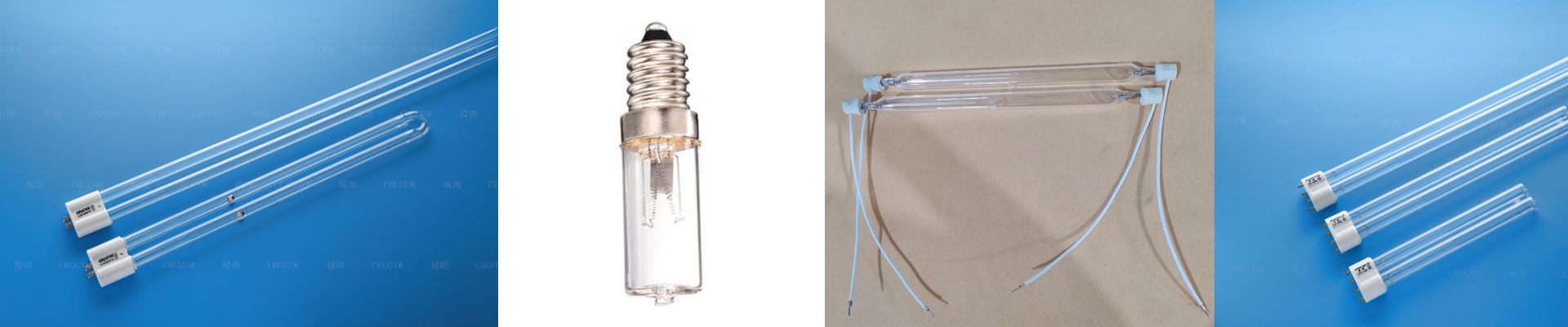
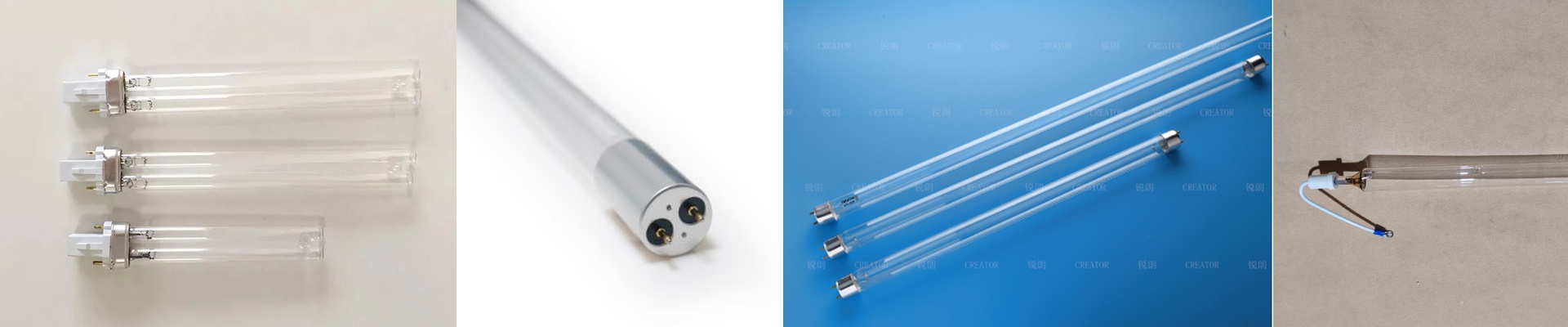
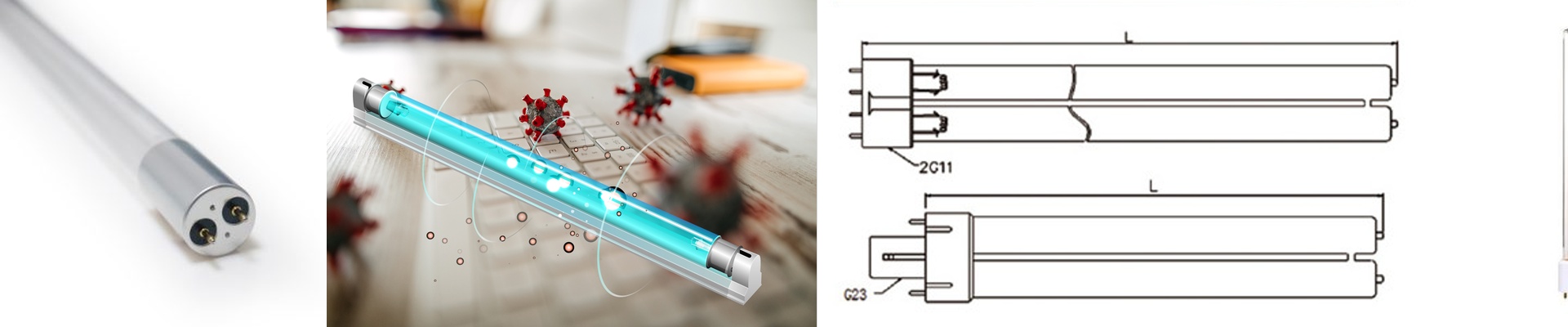
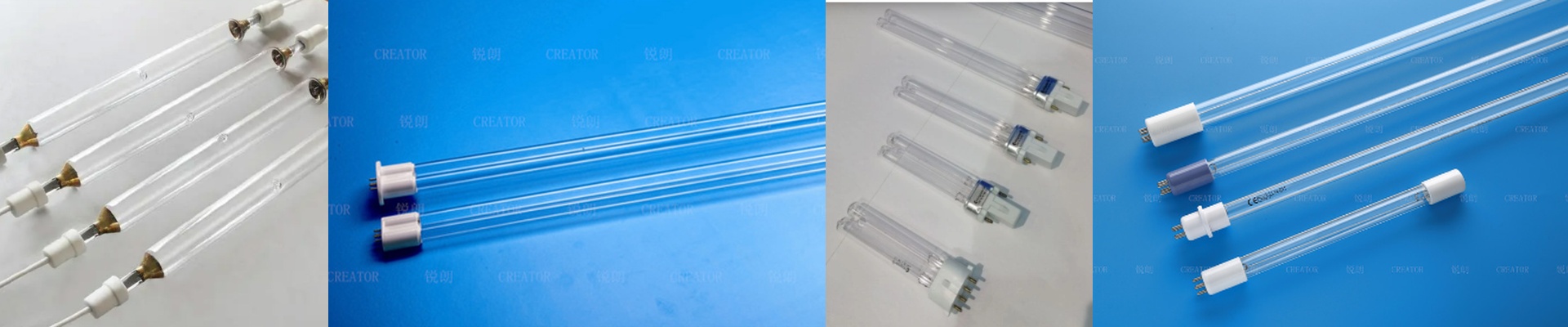
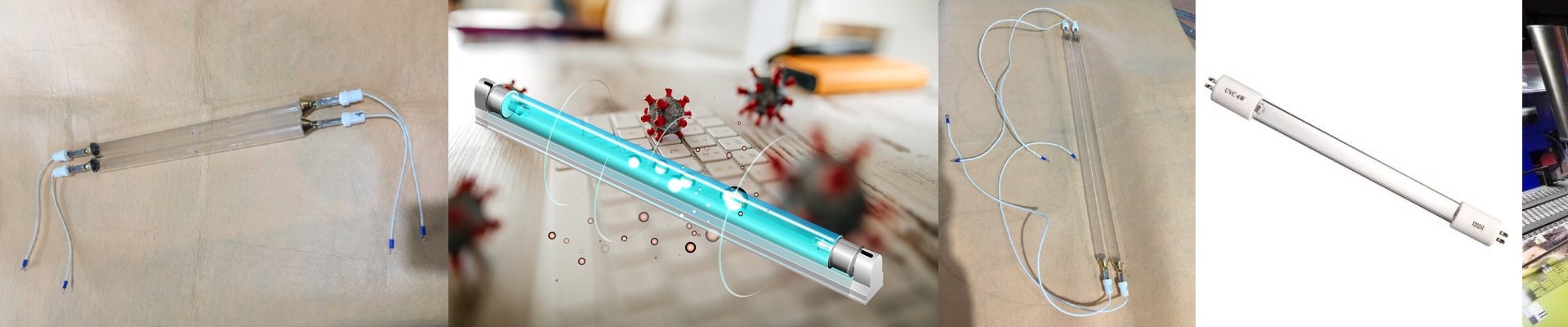
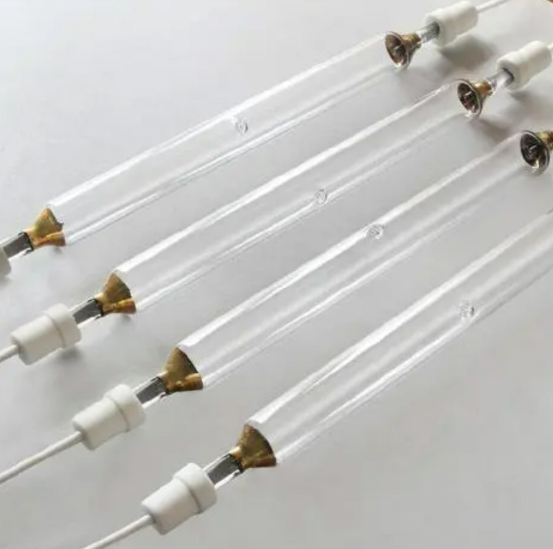
On the press floor, UV curing isn’t a promise—it’s a number you can measure. It’s mJ/cm² delivered across the full lamp band, a stable peak irradiance that holds steady while the substrate flies through, and lamp life that you can plan around instead of guessing. The 2026 UV lamp disposal regulations are forcing everyone to get honest about mercury vapor lamps: total mercury content, breakage risk, end-of-life handling, and the paperwork trail. If you’re already trying to cut energy use, stretch lamp life, and keep a consistent cure on 365 nm-dominant ink systems, the quartz envelope isn’t just a housing. It’s an active part of the system—your first filter and your thermal anchor. 99.99% quartz purity is the baseline because impurities actively work against you. Trace metals and hydroxyl (OH) groups absorb UV, shift the spectrum, and push the envelope temperature higher. That extra heat forces the system to work harder just to keep the same dose on the substrate, and it accelerates output decay. In production, you know the drill: you chase cure by cranking power, the lamp ages faster, the reflector coatings take a beating, and maintenance turns into triage.
What matters: quartz purity, spectral control, and output you can rely on
We build mercury vapor lamps for industrial UV curing around a fused quartz envelope specified to 99.99% purity. That spec isn’t for show. It directly limits the spectral artifacts that kill repeatability. Impurities create absorption bands that distort output, especially in the short-wave UV. In a 365 nm-dominant system, you want strong emission around the mercury line, but you still need enough broadband UV to hit the photoinitiators in the ink or coating. Impurities steal energy where it matters most—and turn it into heat in the envelope. Keeping OH content low matters because OH absorbs hard in the UV and drives solarization over time, the gradual darkening caused by radiation exposure. The payoff is a lamp that holds its spectral output longer across its life. In practice, that means more stable peak irradiance at the substrate, less drift in cure dose, and fewer press slowdowns as lamp hours accumulate. Thermal behavior is just as technical. A purer quartz envelope runs cooler for the same electrical input and internal plasma temperature. Cooler envelope operation reduces the risk of thermal runaway in the reflector assembly and helps keep dichroic coatings from cooking. That matters because the reflector is what gets the lamp’s output to the substrate. Push reflector coatings past their thermal design point, reflectance drops, and effective output falls off faster than the arc tube’s natural aging would explain. For curing performance, we measure output as spectral irradiance (W/m²/nm) at the working distance, then integrate to get energy density (mJ/cm²) over the exposure window. Quartz purity stabilizes the spectral envelope, so the lamp delivers repeatable energy across the photoinitiator absorption peaks—often around 365 nm for many offset and screen formulations—without dumping excess long-wave infrared that heats the substrate and causes distortion. Lamp life depends on electrode stability and fill chemistry, but envelope purity sets the boundary conditions. We aim for long runs with controlled output decay, because on a production line, an unexpected lamp change isn’t just labor—it’s schedule risk.
Why this works in the real world: high-purity quartz for high output and uptime
In high-speed UV offset, flexo, and screen printing, the cure window is short and the substrate can be unforgiving. You need high peak irradiance to drive cross-linking within the lamp head dwell time, and you need spectral output that matches the photoinitiator package. A 99.99% pure quartz envelope helps in three ways that you feel on press. It improves output efficiency by preserving the intended spectral shape. More energy becomes usable UV instead of being wasted as heat or absorbed by the envelope. The result is a more stable cure window: you can maintain the required mJ/cm² at line speed without chasing the power knob. It supports lamp-to-lamp repeatability. When you swap lamps across presses, you want the same spectral profile and the same irradiance at the working distance. Purity reduces manufacturing variance in transmission, so the system behaves predictably after replacement. It lowers the thermal load on the reflector and lamp housing, which improves reliability of the whole optical train. In practice, that means fewer hot spots, fewer coating degradation issues, and more stable output over the life of the lamp. This matters when you’re running high-pigment inks, thick deposits, or heat-sensitive substrates. If lamp output drifts, you either under-cure and risk adhesion, or over-cure and risk substrate stress. Stable spectral output and controlled temperature behavior keep the process honest.
The practical stuff: disposal compliance, system fit, and shop-floor realities
The 2026 UV lamp disposal regulations put mercury management and traceability front and center. Industrial mercury vapor lamps are hazardous waste in many jurisdictions, and rules increasingly require documented recycling, proper packaging, and verified handler credentials. High-purity quartz doesn’t change the fact that mercury lamps are regulated. What it does do is improve operational stability, which helps compliance indirectly by cutting unplanned lamp changes and making lifecycle planning easier. Fewer surprise replacements mean fewer emergency handling events and fewer chances for mishandling. If you’re specifying lamps now, work backward from the disposal workflow. Choose lamps with clear end-of-life labeling, packaging designed for safe return, and a supplier that can provide auditable documentation per lamp batch. System compatibility is a hard constraint. These lamps need matching ballasts, igniters, and reflector geometry to hit the published spectral output and irradiance at the substrate. A lamp that looks thermally efficient on paper can still underperform if the fixture runs hot, if the reflector coating is underspecified, or if the electrical interface isn’t aligned. One real-world trade-off: quartz purity is sensitive to handling. The envelope has to stay clean during installation—fingerprints and residues create hot spots and accelerate degradation. Gloves, clean workspaces, and proper mounting torque aren’t optional. In harsh environments, protective sleeves and routine inspections are a smart way to catch contamination or mounting stress early. And verify performance with measurement, not wishful thinking. Use a calibrated spectral radiometer to confirm irradiance and dose at the substrate plane, and track output decay across lamp hours. When your data lines up with your process limits, you’ve got a system that cures reliably—and that you can defend against the 2026 disposal expectations.