That Blue Glow? It’s Not Just for Show
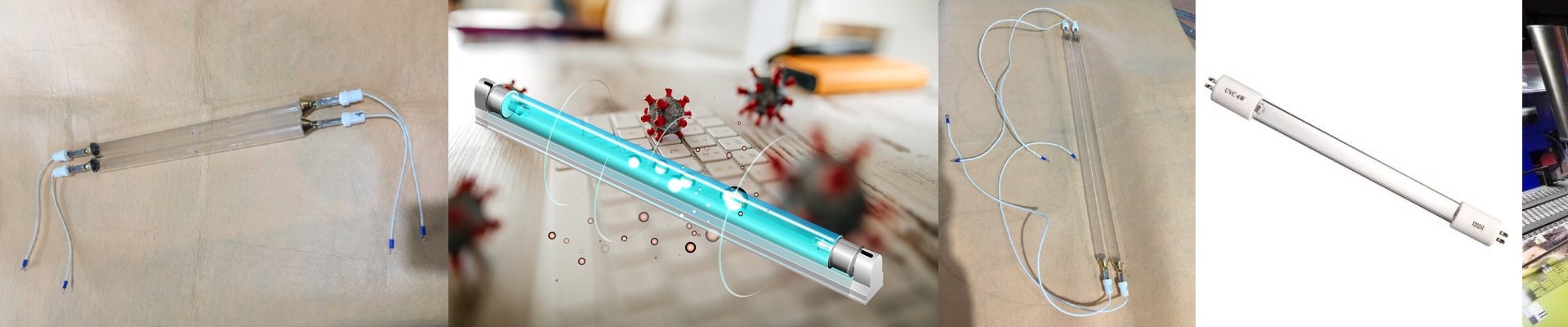
You know how it goes. Someone spots that cool blue-purple light and asks, “Why’s the lamp glowing that color?” That glow? It’s the telltale sign of short-wave ultraviolet energy, the kind that hits right around 254nm. And it’s the same powerhouse that makes industrial curing happen—fast. We’re talking about the kind of energy that gets inks and coatings to crosslink quickly. When you’re dealing with thick layers—like heavy paste in screen printing or a dense coating—the lamp has to push that energy deep into the material. Surface drying just won’t cut it.
Getting the Power Right: It’s All About the Details
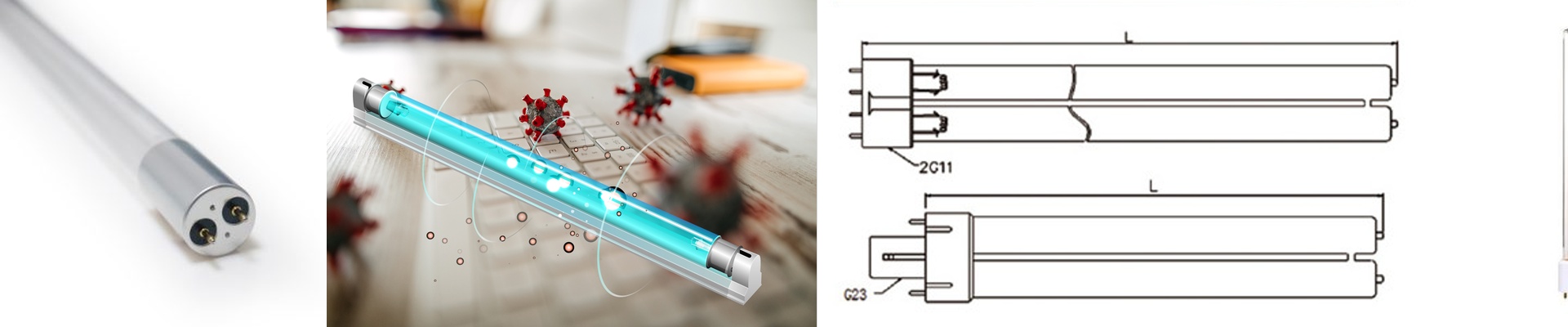
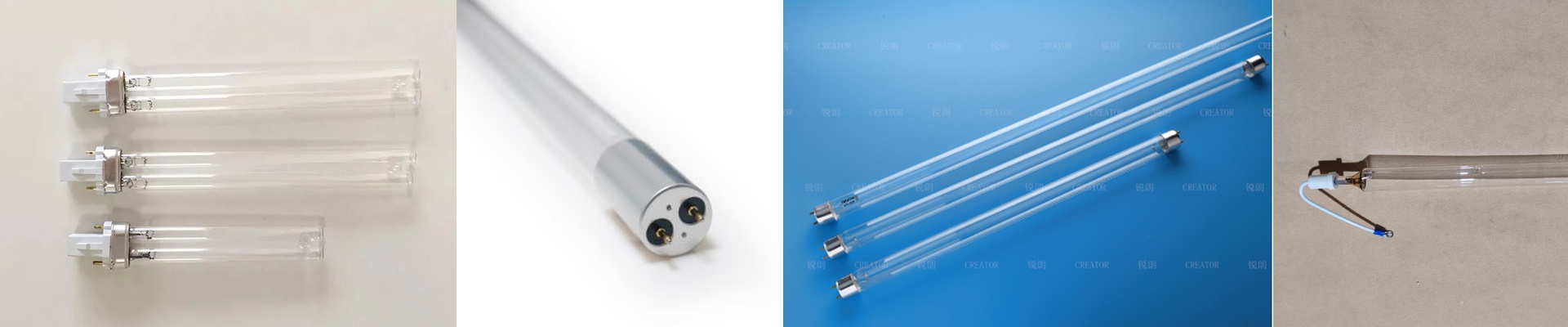
Cured thick layers need serious punch. We build lamps that deliver the power density needed to blast through the entire stack. That way, curing happens from the bottom up, without trapping solvents or leaving resin half-baked. To get that power, we run high-voltage systems. They keep the current steady while pushing enough energy through the arc. And the lamp’s length and shape? They’re chosen to match your print or coating perfectly. Too short an arc, and the energy density falls apart. You get surface skinning. Wrong geometry for the substrate width? You end up with uneven curing and weak edges.
Inside the Lamp: Quartz, Coatings, and the Right Fit
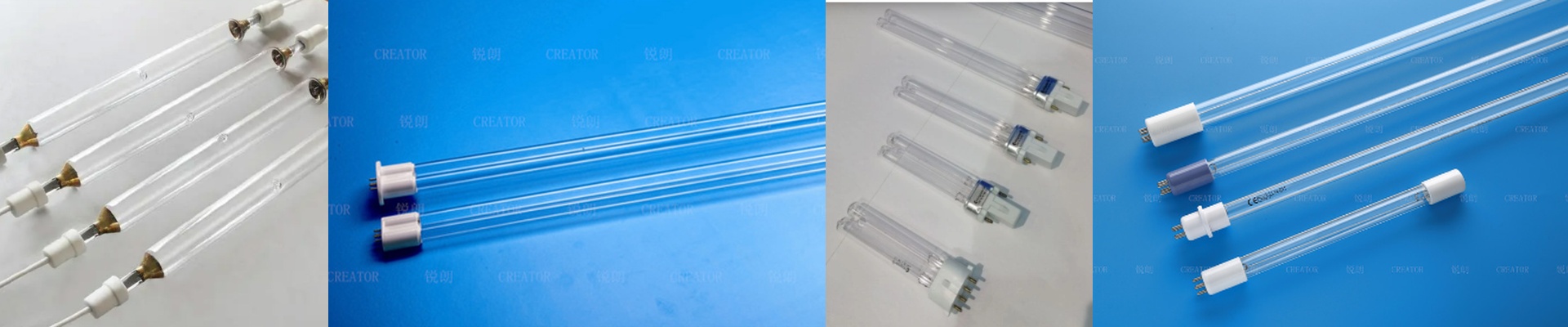
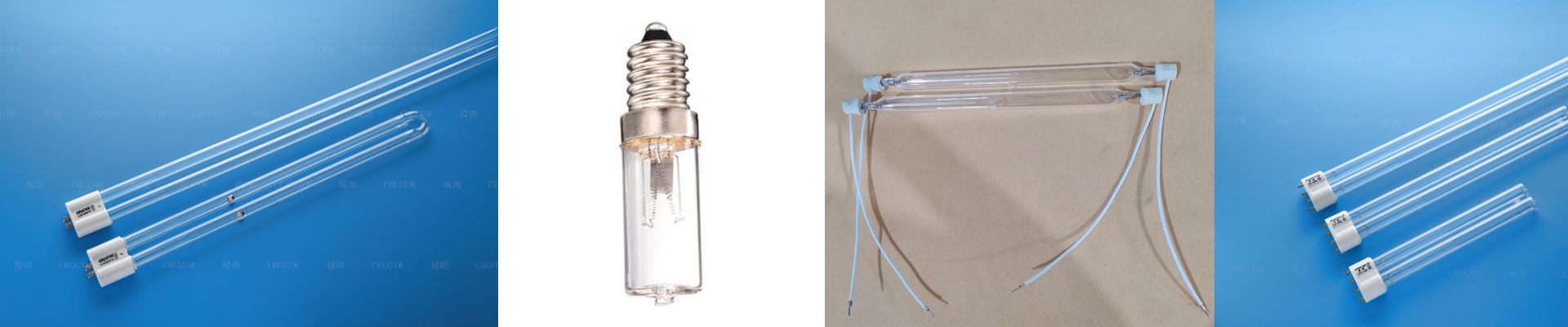
Short-wave UV lives inside a quartz envelope. Regular glass? It blocks the wavelengths we need. The quartz has to stay crystal clear, even under intense heat and UV flux. If it clouds up, the output drops and the lamp burns out fast. Many industrial lamps also use special reflector coatings. They focus the energy down onto the substrate, cutting down on wasted light and keeping the cure even across the whole print. And the connectors? They matter more than you’d think. They have to handle the high heat at the ends and carry the current without blinking. In high-power setups, the end-cap has to keep the lamp sitting straight in the reflector. Get that wrong, and you’re dealing with hot spots and uneven curing.
The Result on the Line: Thick Layers Cured, All the Way Through
This is where it all comes together. High-penetration UV lamps are why thick-paste prints cure from bottom to top in one go. The short-wave energy reaches deep into the ink, kicking off crosslinking throughout the stack. The reflector and geometry keep the dose even. But here’s the trade-off: more power means more heat on the substrate. You have to manage that—with airflow, cooling, or just the right exposure time—to avoid warping. When you get the lamp specs right—the power, voltage, length, and geometry—you get a reliable cure window. Thick prints come out right, every time, without slowing the line down.