Why We’re Dead Serious About Ozone-Free UVC Lamps
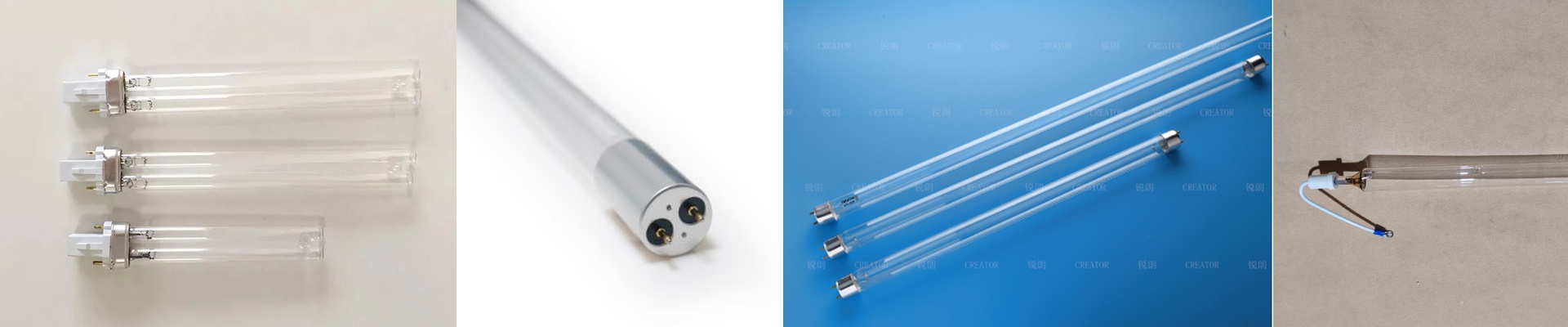
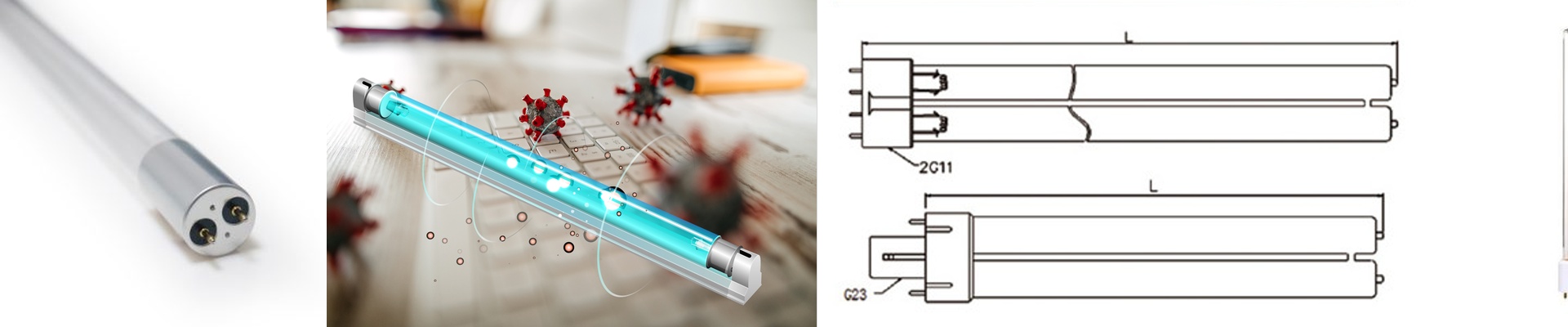
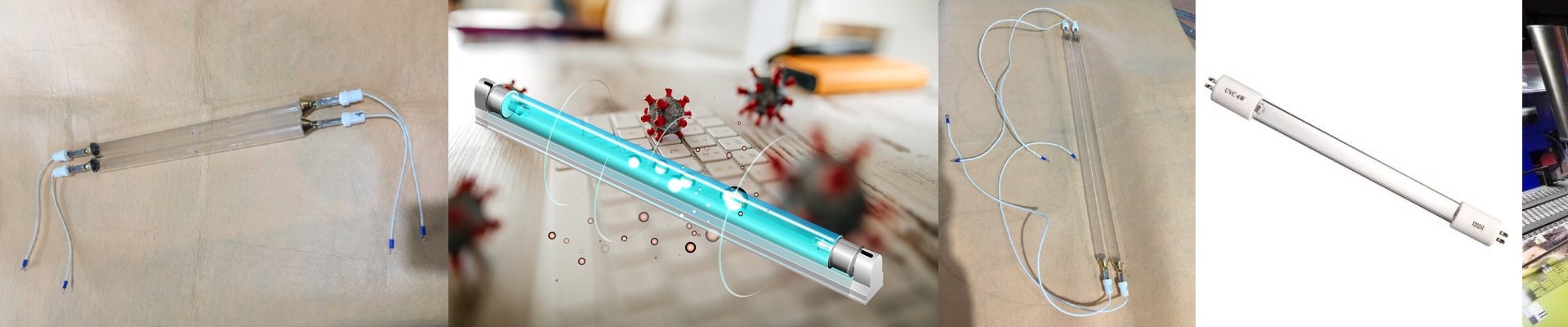
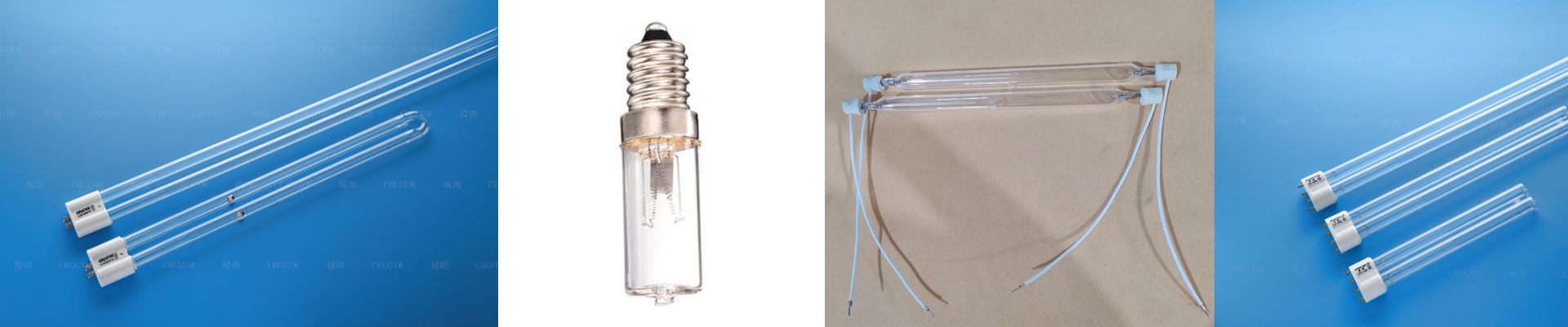
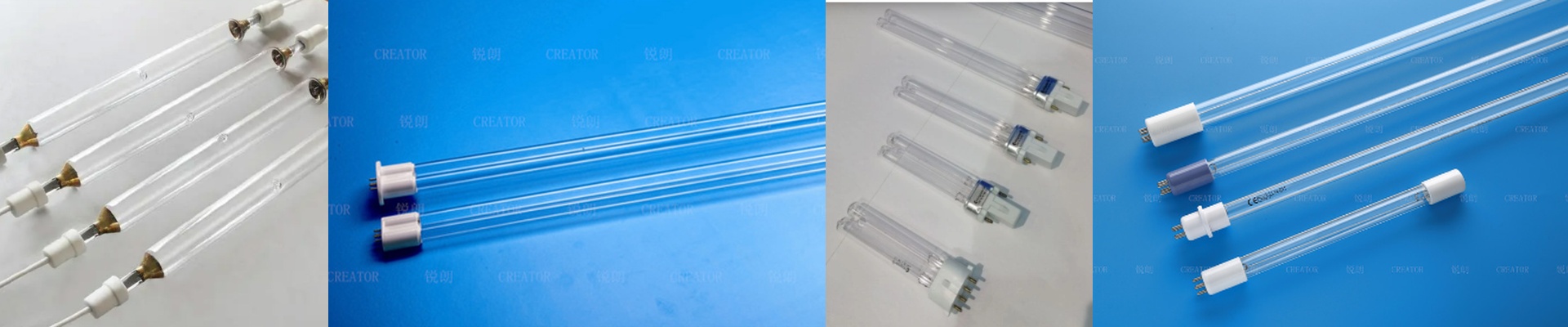
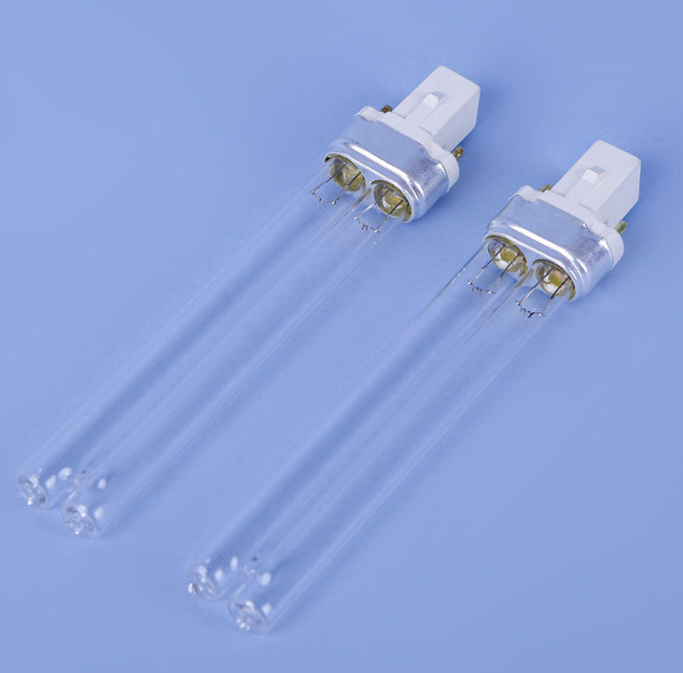
Here’s the thing: when we build our UVC sterilization lamps, we’re building them around one thing above all else—keeping you safe. That’s why we chose ozone-free quartz glass sleeves. It wasn’t about looks. It was a straight-up engineering decision. Standard borosilicate glass does block the 185nm wavelength that creates ozone, but it also soaks up some of the 254nm germicidal power you actually need. Our quartz sleeves, on the other hand, let that 254nm light fly through with high transmission, while shutting the door on 185nm completely. Your lungs will thank you. Ozone is a nasty irritant, and in an enclosed space, it’s a real health hazard. By cutting off the source, we don’t have to rely on extra air filters or ventilation systems to clean up after the fact. The whole process just becomes safer for anyone working nearby.
The Inside Story: The Sleeve That Does the Heavy Lifting
That quartz sleeve is the first line of defense. It has to handle the rapid heating, the intense UV radiation from the lamp inside. Standard quartz can do it, but ours is refined to keep that UV transmission above 90% for the life of the lamp. It also acts as a thermal buffer. The lamp needs to run hot to hit peak 254nm output, and the sleeve keeps that heat from frying the ballast and wiring on the outside. But there’s a trade-off. The sleeve holds onto heat, so the fixture around it needs proper ventilation or heat sinking. If you’re building a compact machine, you’ve got to plan for that heat load in your cooling setup.
What This Means for You
In industrial settings, reliability is everything. Our ozone-free sleeve keeps the lamp focused on disinfection, not creating secondary pollutants. That makes these lamps a natural fit for food processing lines, water treatment, and sterilizing medical equipment—places where air quality matters as much as killing germs on surfaces. And for you, the engineer? It’s a drop-in replacement that makes your life easier. No need to add ozone destruct units or complex air handling. The lamp just works. It cuts down on system complexity, lowers maintenance, and keeps operating costs in check. The sleeve protects the lamp, the lamp protects the environment. It’s a simple, tough solution that does exactly what it’s supposed to do.