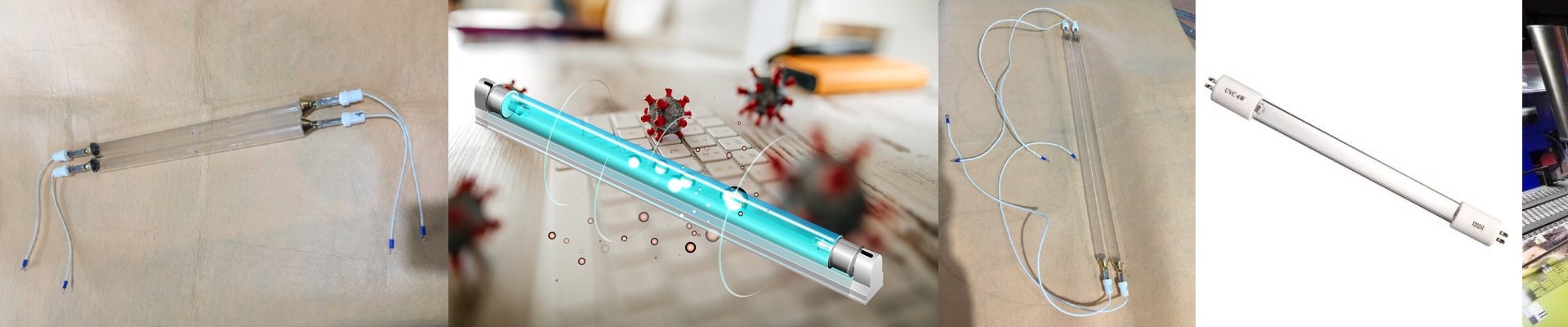
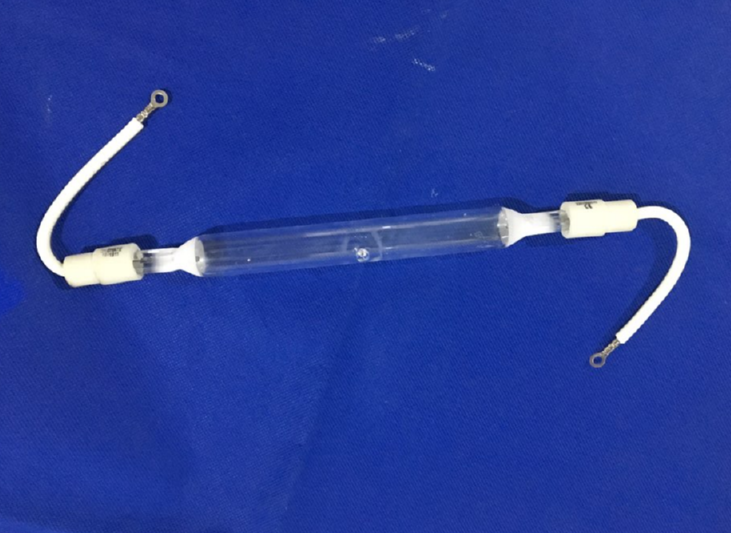
On the floor, you can read a lamp by its color before the spectrometer even shows up. A bluish-white arc usually means a short-wave, high-mercury fill tuned for surface cure. A pinkish cast tells you it’s iron-doped, built for deeper penetration. When you’re curing plastic, matching that spectral output to the ink’s photoinitiator window is the difference between a tack-free surface and uncured gunk. What matters is the energy delivered, not just how bright it looks. A true 365 nm peak with a narrow FWHM is what most acrylate systems are after. Shift to 385–405 nm when you’re running cationic and pigmented formulations on heat-sensitive substrates. Peak irradiance—measured in mW/cm²—sets the pace for cross-linking. On high-speed flexo and screen lines, expect 800–1200 mW/cm² right at the arc. Power density at the substrate typically lands at 0.8–1.5 W/cm², and it needs to stay consistent along the lamp length. Keep output variance under 3% across the arc, and you avoid banding. Reflector efficiency and dichroic coatings decide how much usable UV actually makes it to the web. It comes down to physics. Plastic substrates can only take so much heat, and medium-pressure mercury lamps deliver high UVA output with minimal IR, so surface temperatures stay manageable. Ozone-free operation saves you from venting headaches and surface oxidation. Hook up a spectral radiometer, and you can track curing dose in mJ/cm² and tie lamp arc temperature to stable output—keeping line speeds up and rework down. Here’s the shop-floor reality: lamp orientation matters. Vertical mounting helps convection cooling and keeps the arc position stable, but horizontal setups are standard on narrow web presses. Expect a 10–15% output bump in the first 50 hours, then a gradual drop-off. Plan lamp replacement around 1500–2000 hours if you want dose consistency. And always double-check reflector alignment and substrate reflectance—even a 10% misalignment can cut effective irradiance enough to stall cure.