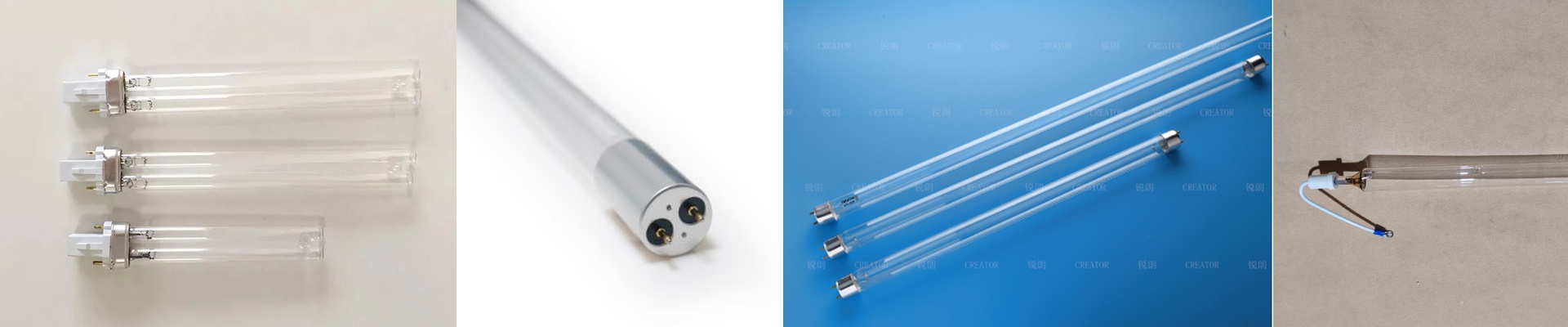
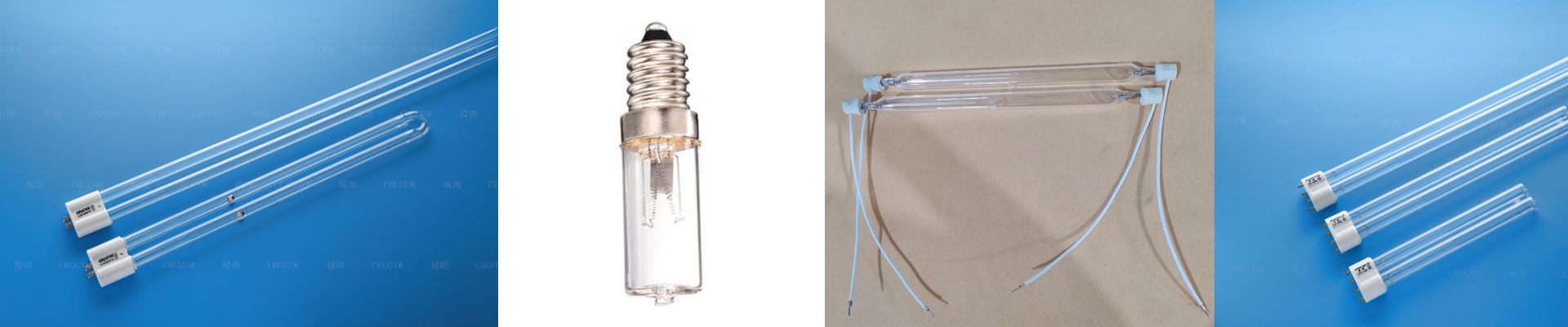
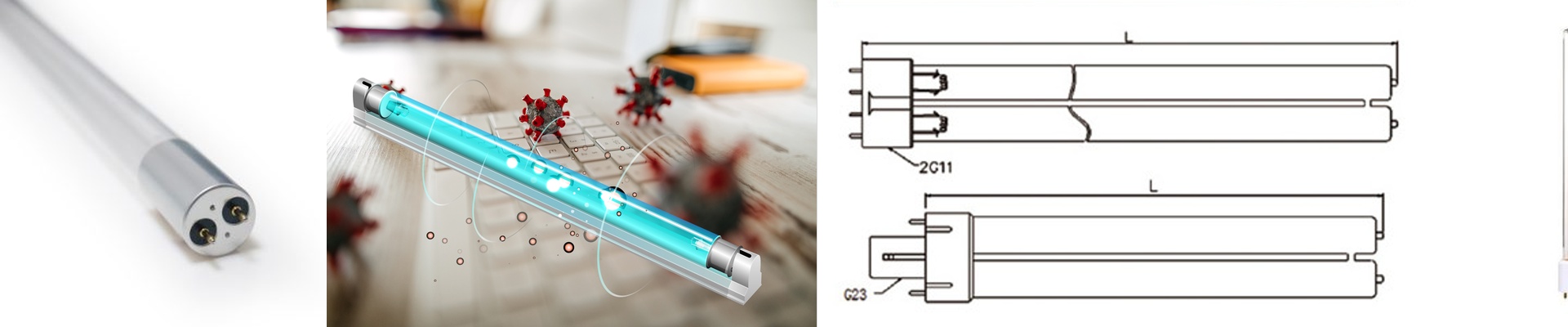
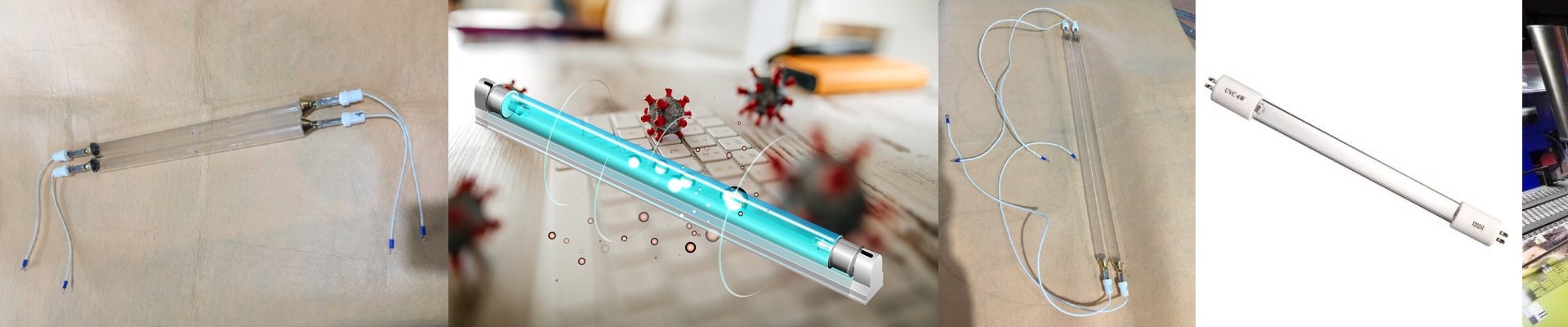
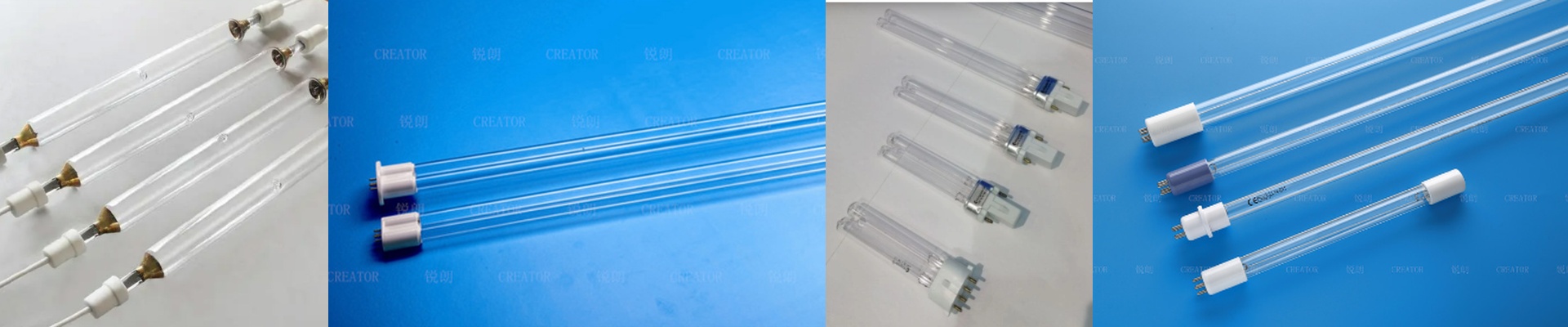
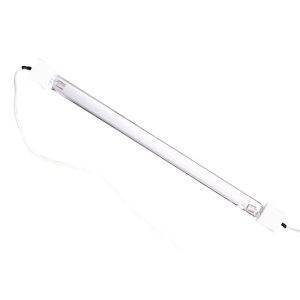
On a food line, you can’t compromise on pathogen control, and you can’t afford residue. Chemical sanitizers leave films, force rinsing, and add effluent costs. We built a germicidal UVC setup that swaps chemicals for photons—instant surface inactivation, right where you need it. What actually matters under the hood We’re running low-pressure mercury vapor lamps, tuned to the primary 254 nm output that breaks down DNA/RNA. The quartz sleeve is doped to kill ozone at the source, so the work area stays clean and stays compliant. Forget quoting lamp wattage—what counts is peak irradiance at the target plane, because inactivation is all about dose: dose (mJ/cm²) is irradiance multiplied by exposure time. Reflectors use high-purity anodized aluminum with a tight spectral reflectance profile, so you get more usable UVC on the belt and less stray light. Ballasts are matched to the arc length and thermal behavior, which keeps output stable even when line voltage drifts. Why this fits food packaging and ingredient handling Throughput is fixed, and sanitation windows are tight. UVC disinfection keeps pace with line speed, needs no dwell tanks, and removes chemical carryover. You’ll see cycle time cut immediately, and you’ll get consistent log reduction across conveyor surfaces, cutting boards, and packaging film. Energy draw is predictable, lamp life sits around 8,000–9,000 hours, and output stays stable enough to hold a validated dose window. A few shop-floor realities UVC intensity drops off with the square of distance, so mounting geometry is not optional. Keep the lamp-to-target gap inside the validated range, and make sure there’s unobstructed line-of-sight—shadows are where microbes hide out. Add an interlock and proper shielding; UVC exposure is a real hazard. Validate performance with a calibrated radiometer at 254 nm, and track lamp output decay over time. Replace lamps before the dose dips below the required threshold.