Making UV Lamps That Actually Work (Without Breaking the Bank)
Let’s be honest: most UV lamps are a headache. They dim way too fast, they hog power, and they cost a fortune if you want the “premium” stuff. We spent 15 years obsessing over the chemistry and the quartz density of our lamps. Why? Because we wanted to build something that hits the same output as those big-name international brands, but without the ridiculous price tag.
The trick to saving energy
Here’s the thing: you can’t just lower the wattage to save energy. If you do that, you kill your sterilization rate, and the lamp becomes a glorified lightbulb. Instead, we looked at the “wall efficiency” of the tube. By tweaking the mercury vapor pressure and the phosphor coating, we managed to get more UVC photons out of every single watt. You get the same germicidal punch, but your ballast doesn’t have to work nearly as hard.
The nitty-gritty on the build
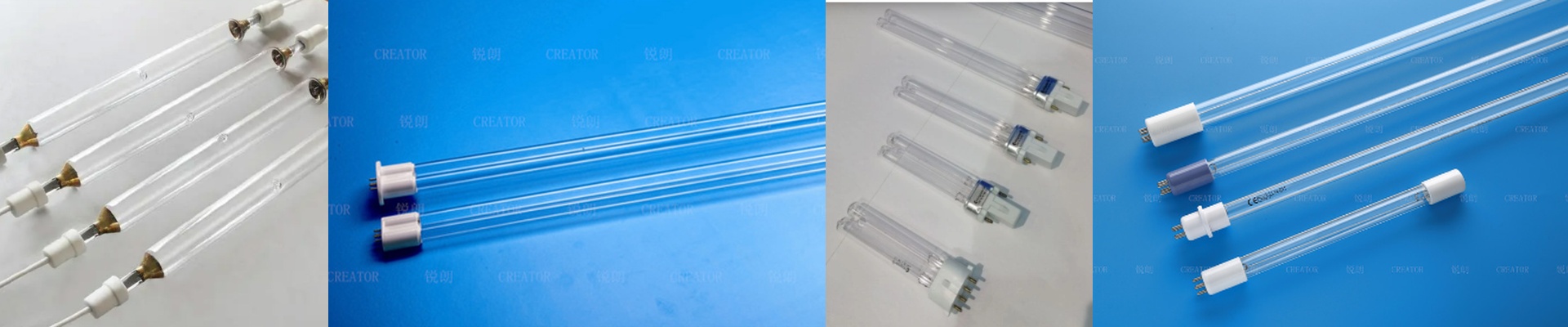
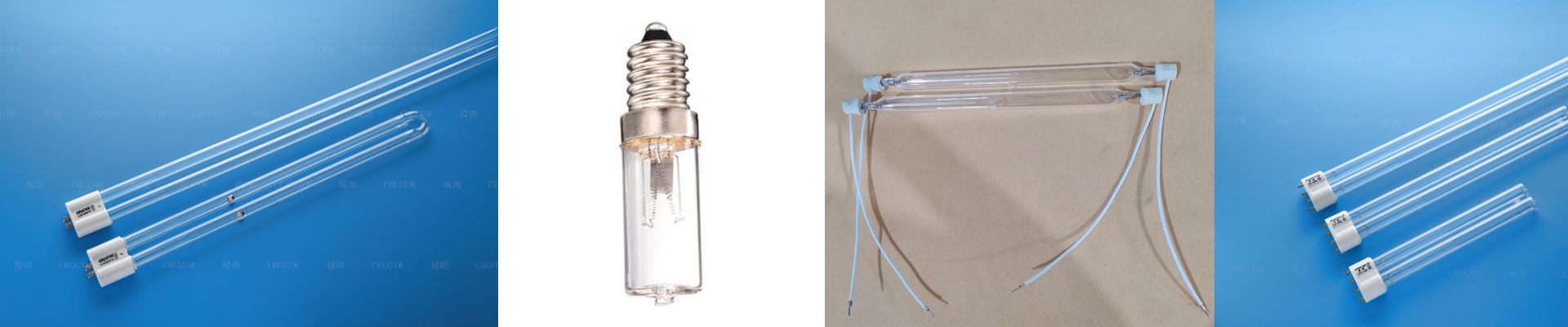
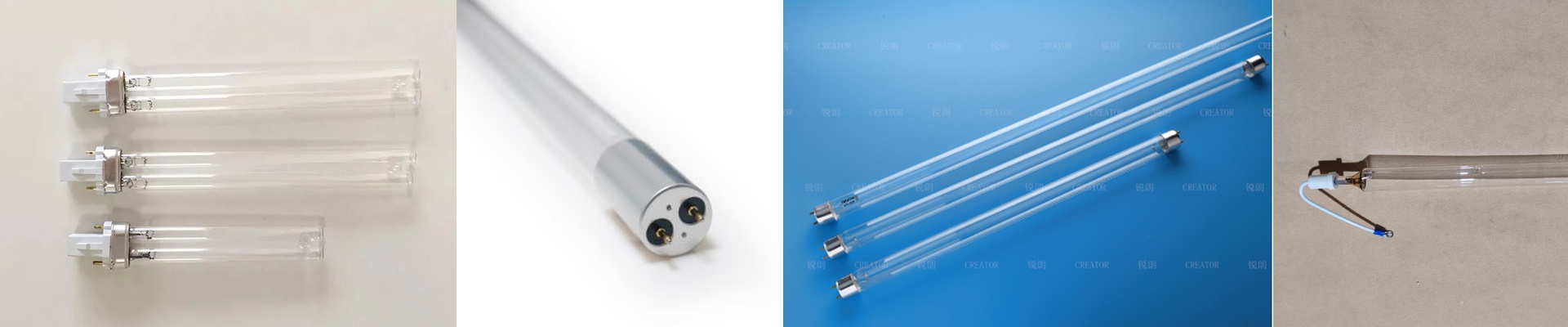
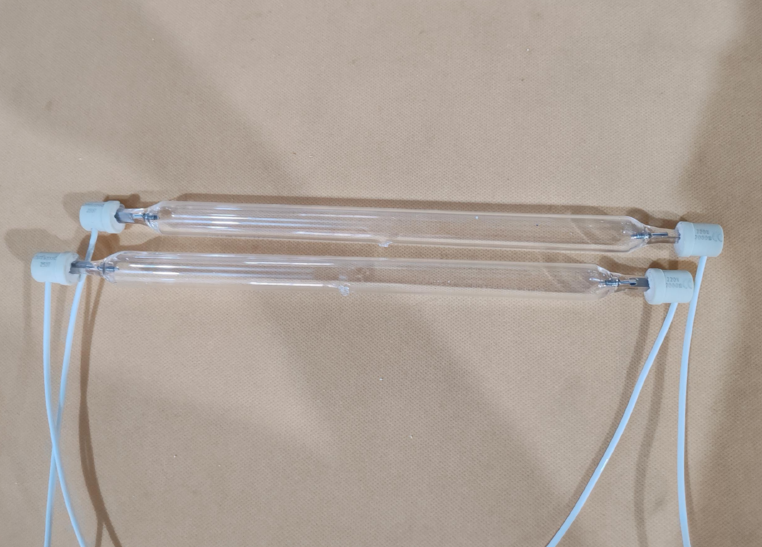
We use high-purity fused quartz for the envelope. Cheap glass is basically a wall that blocks UVC; our quartz lets that 253.7nm wavelength fly right through. We also used tungsten for the electrodes. It stops the lamps from burning out prematurely when you’re constantly switching them on and off. And because nobody likes fighting with hardware, we tightened the tolerances on the pin alignments. They slide right into most industrial UV racks. No forcing, no swearing—just a clean fit.
A few things to keep in mind
Now, there’s a trade-off. When you push for this kind of efficiency, the lamps tend to run a bit hotter at the end-caps. If you’re stuffing these into a sealed box with zero airflow, your sockets might overheat. Just double-check your ventilation so you don’t fry your ballast. These lamps are built for the rough stuff—think water treatment plants and heavy-duty air scrubbers. Look, I won’t tell you they last “forever.” No lamp does. But we can give you a stable decay curve. That means you can actually schedule your replacements based on real data instead of just guessing and hoping for the best.