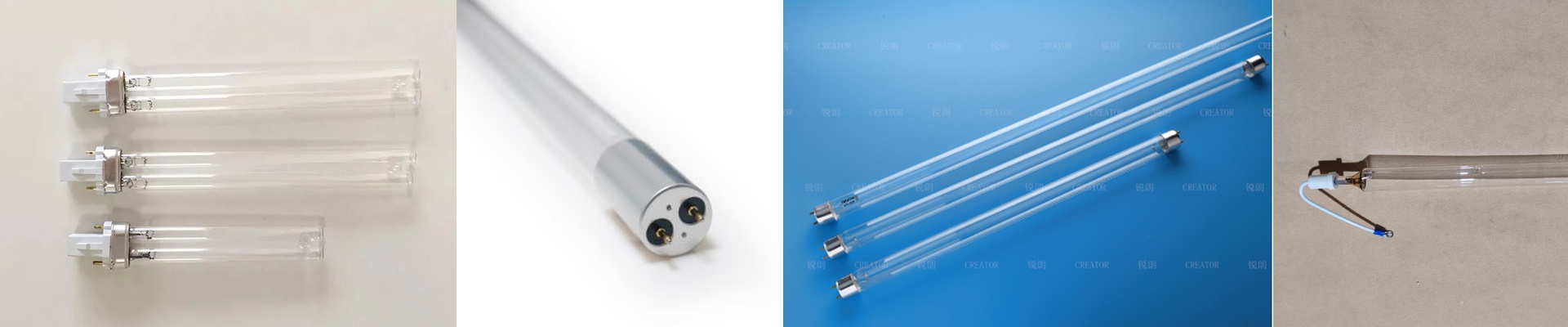
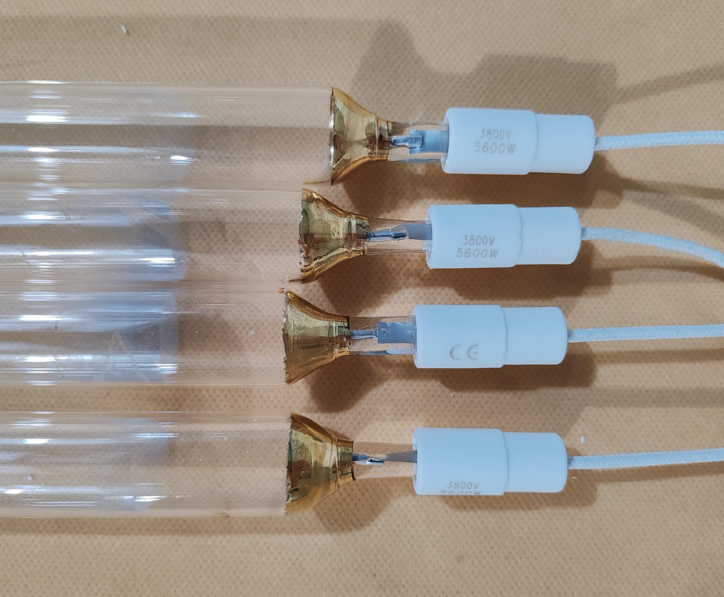
Stop Guessing With Your UV Lamps
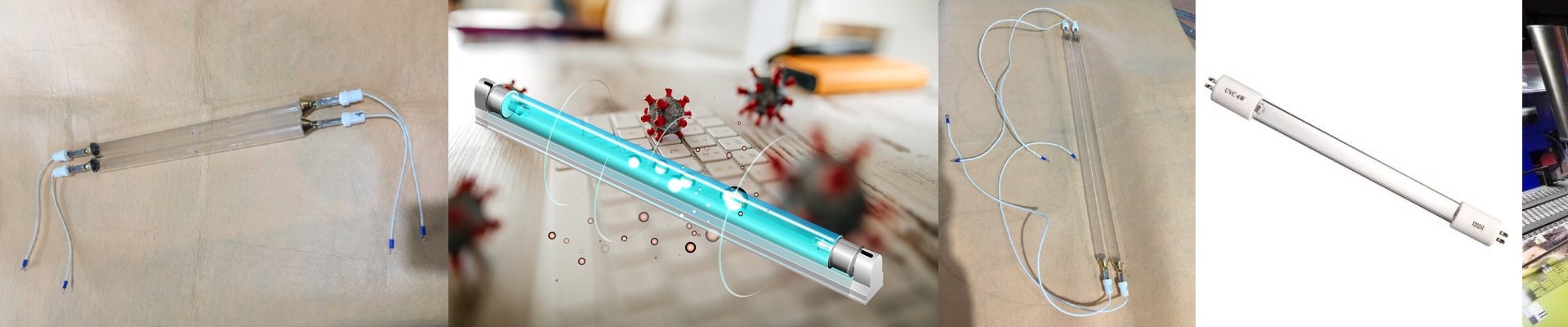
Let’s be honest: most industrial UV systems are basically black boxes. You turn them on, they glow, and you just hope they’re doing their job. Usually, the only way you find out a Gallium Iodide (GaI) lamp has faded is when a batch of parts fails a quality check and you’re left staring at a pile of scrap. That’s a stressful way to run a shop. So, we decided to fix it by putting the monitoring right inside the control circuit.
What’s the deal with Gallium Iodide?
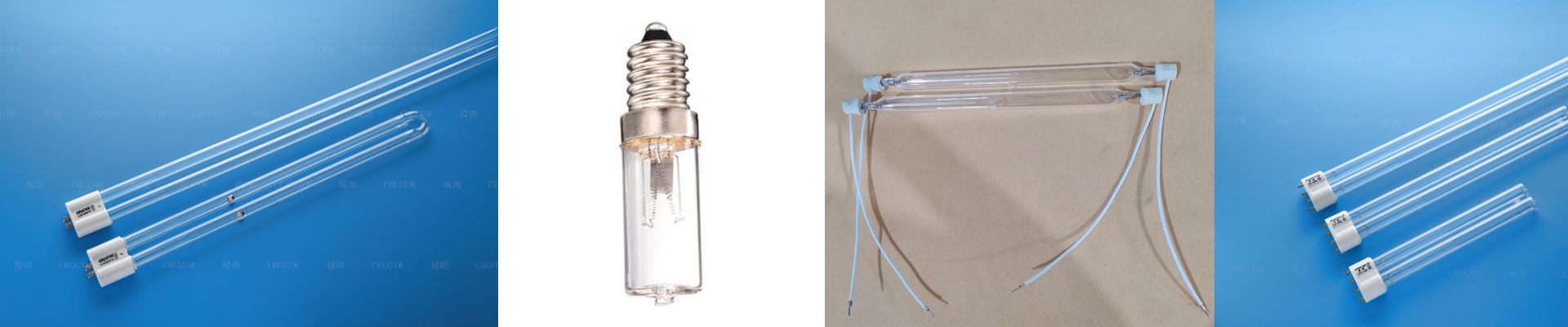
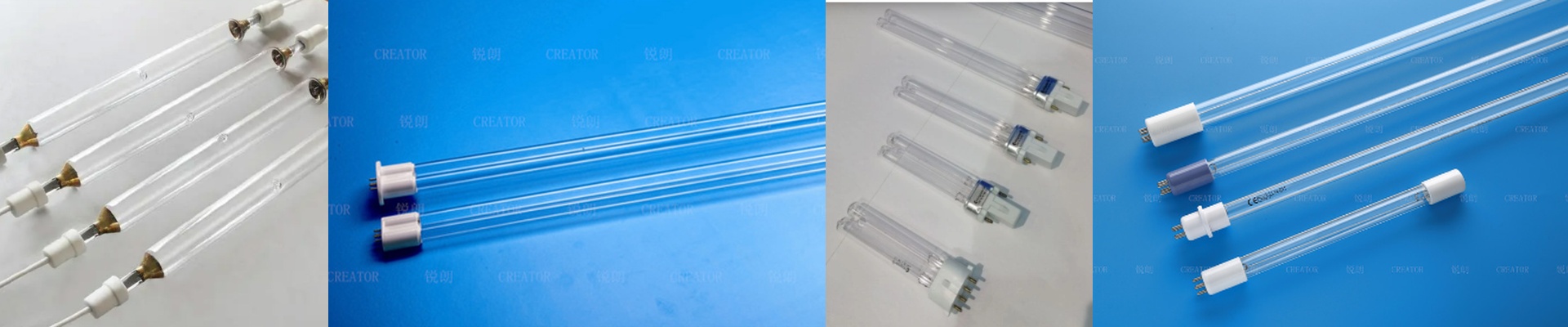
These aren’t your run-of-the-mill mercury vapor tubes. GaI lamps hit very specific UV bands to snap those stubborn chemical bonds in resins and polymers. But there’s a catch. To keep that light stable, these lamps have to run hot. Really hot. That puts a massive amount of stress on the glass. To stop the lamps from clouding over—what the engineers call “solarization”—we use high-purity quartz. It keeps the path clear so the photons actually hit your product instead of getting trapped in the glass.
Moving past the “timer” method
For years, the industry standard has been the hour-meter. You track the hours, you hit a number, you swap the lamp. It’s total guesswork. A lamp can lose 20% of its punch long before the timer tells you it’s dead. You’re either replacing perfectly good lamps too early or shipping bad parts because the light died early. We’ve changed that. Our new setup tracks power draw and spectral decay in real-time. By wiring sensors straight into the ballast, we can see exactly how the voltage and current are behaving. You get a live feed of the actual irradiance. If the output dips below your spec, the system pings you.Simple as that.
The trade-offs (because nothing is magic)
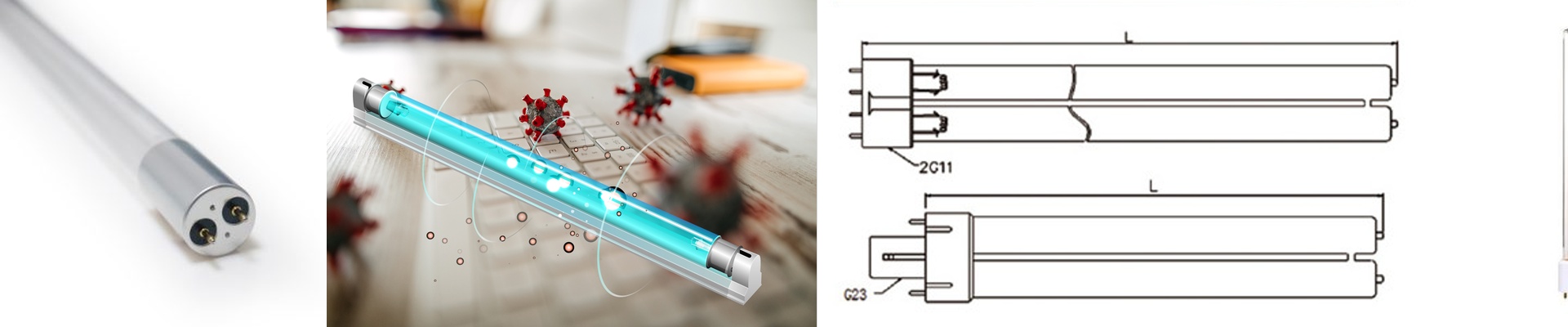
I won’t tell you this is a “drop-in” fix. It’s not. Adding IoT sensors adds a bit of bulk to the footprint. You can’t just slide these into an old socket; you’ll need to update your controller. Plus, you need a steady data connection. And since we’re adding more electronics near a heat source, you’ll probably need to beef up your cooling fans. We don’t want the monitoring hardware cooking itself while the lamp is running. We build these to your specific length and wattage. You tell us the UV peak you need, and we’ll handle the electronics to make sure it stays right there.