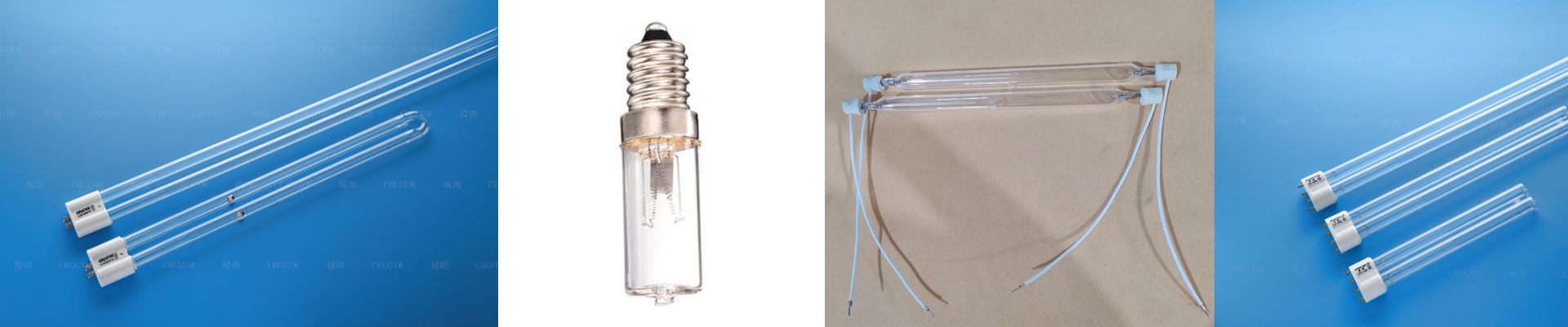
Why the “Secret Sauce” Matters for Gallium Iodide UV Lamps
If you’re working with high-precision curing or semiconductors, you know that standard mercury lamps just don’t cut it. That’s where Gallium Iodide comes in. It hits those UV-C and UV-B spots that other lamps miss. But here’s the thing: if you’re sourcing these from a factory in China, the spec sheet is only half the story. The real deal is the intellectual property behind the lamp. Without it, you’re not just buying a light—you’re buying a potential nightmare at customs.
The actual physics (and why it’s tricky)
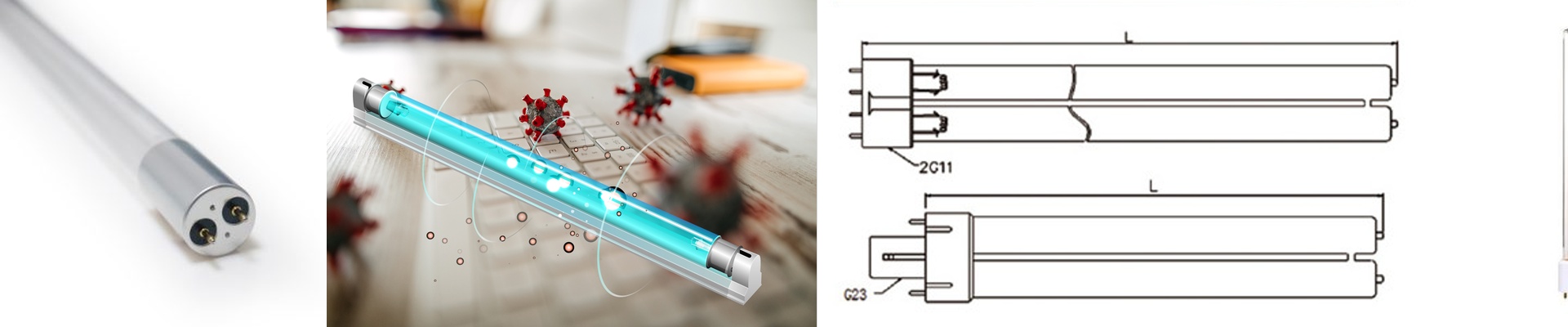
These lamps aren’t just “plug and play.” They rely on a very specific halogen cycle to keep the electrodes from falling apart. We spend a lot of time tuning the gallium iodide filling to hit the exact peak wavelengths you need. Why? Because generic tubes love to burn out. If the gas mixture is off by even a tiny bit, the lamp starts flickering or just dies within 100 hours. It’s frustrating and expensive. We use our own filling process to make sure the light stays steady and strong from one end of the tube to the other.
Avoiding the “White Label” Trap
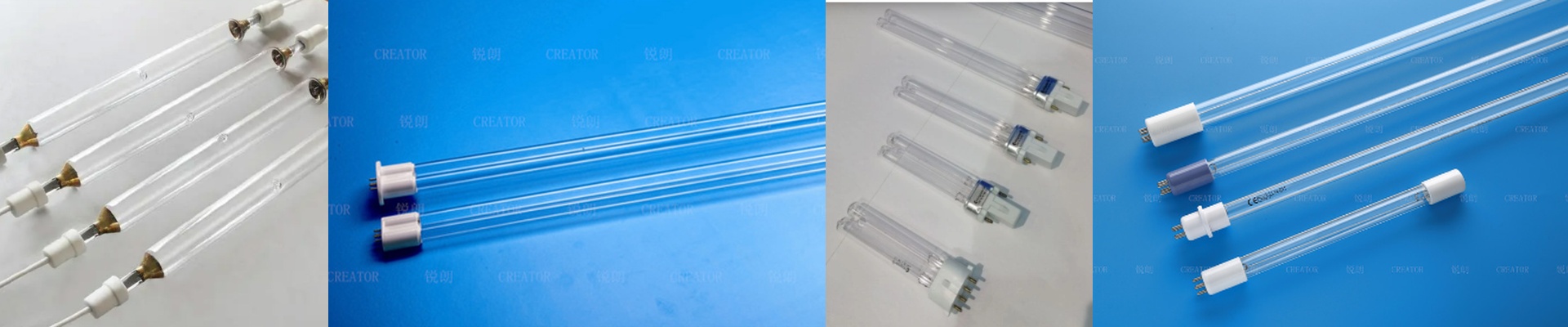
Buying cheap, white-label lamps feels like a win until it isn’t. A lot of low-cost suppliers just copy someone else’s homework. If you put those lamps into a machine and sell it in the US or EU, you’re playing a dangerous game. You could be looking at patent lawsuits or, worse, having your entire shipment seized at the border. We do things differently. We own the patents on our electrode geometry and how we seal the quartz. This gives you a clean paper trail. When your freight forwarder asks for IP clearance, you can just hand over the documents and move on with your day. It’s about sleeping better at night.
A quick heads-up on heat
One thing to keep in mind: high-output Gallium lamps gethot. Really hot. While we’ve pushed the UV flux as high as possible, you can’t ignore the thermal load. If your housing isn’t built to handle that kind of heat density, the quartz will stress and eventually crack. Make sure you’ve got a solid cooling plan in place. It’s the only way to keep these things running at their best without a costly meltdown.