Getting Your PCB Photo-Imaging Right with Gallium Iodide Lamps
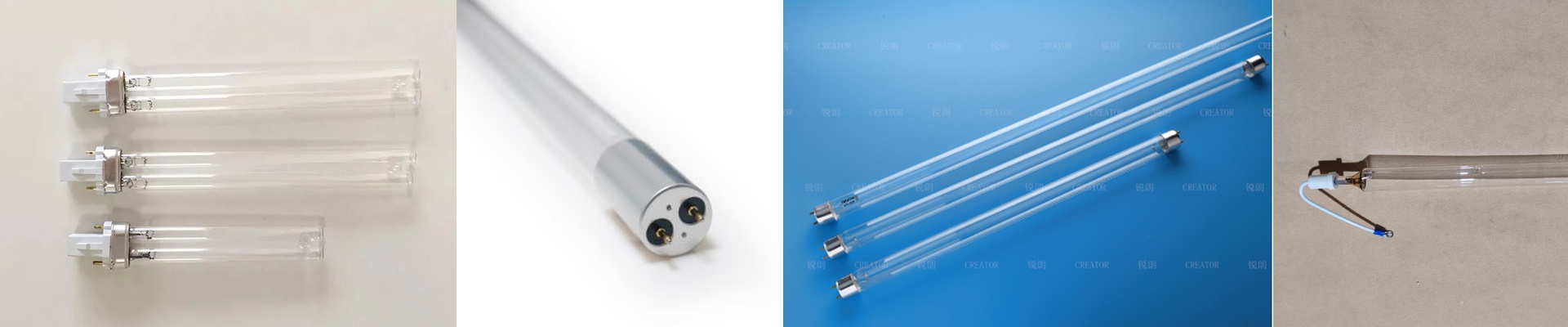
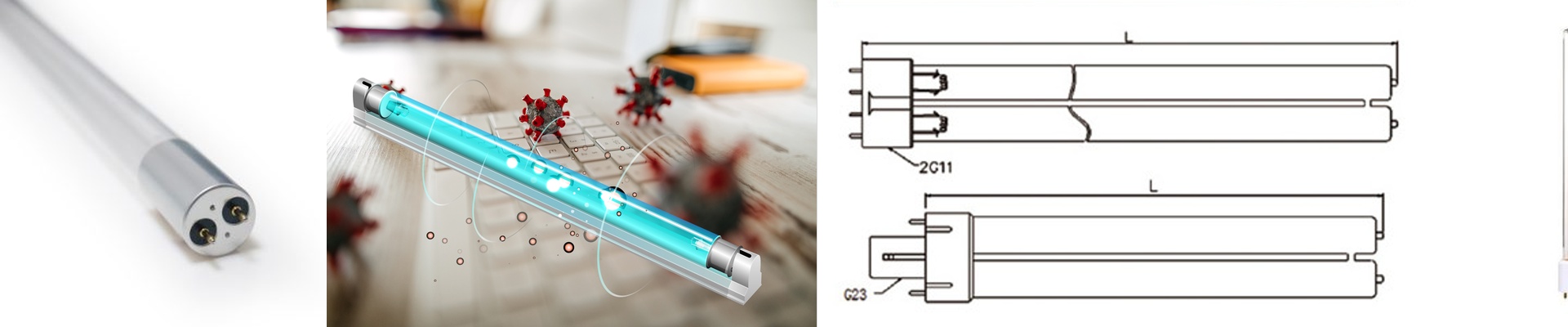
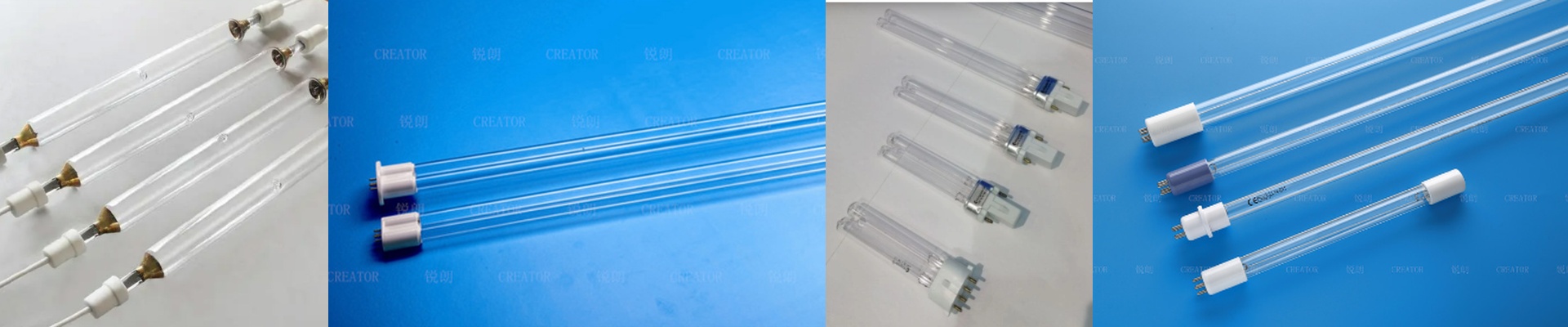
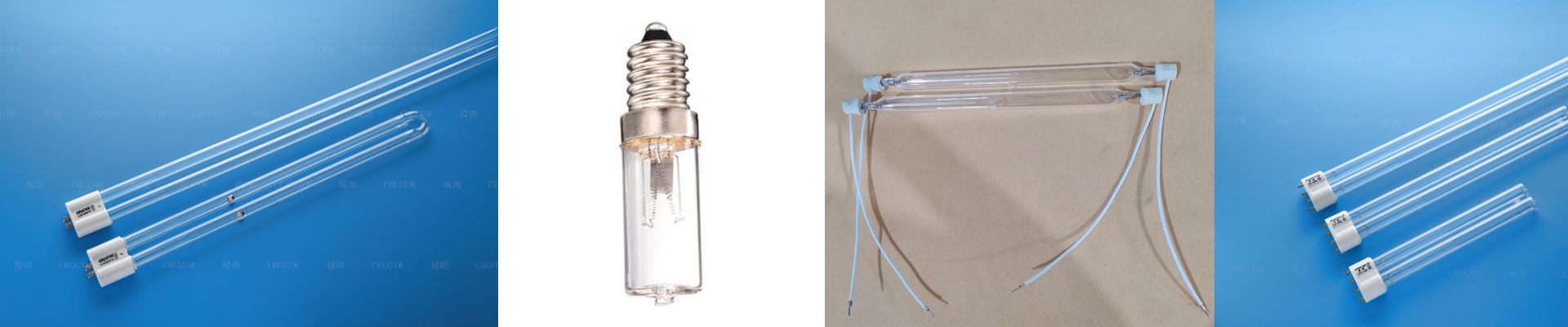
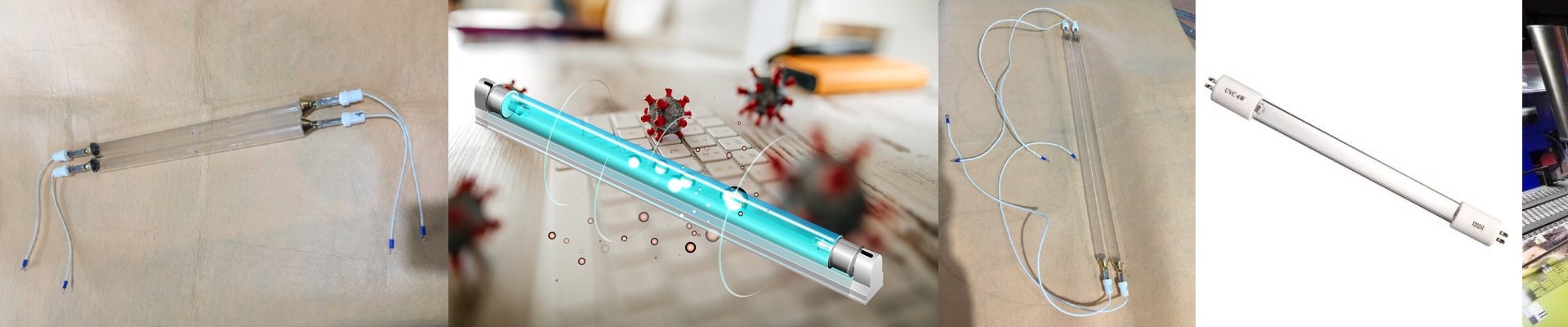
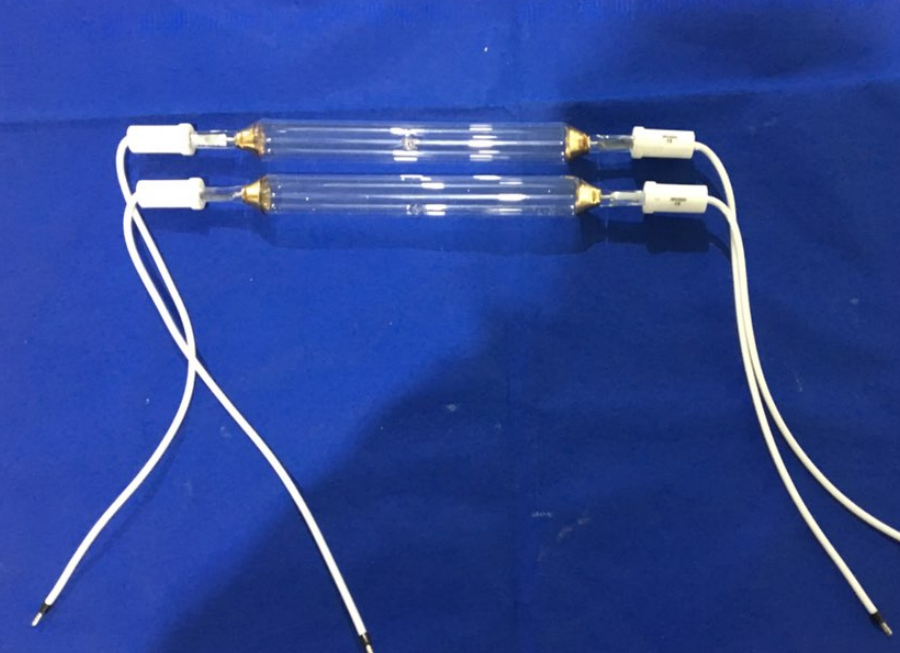
If you’re curing photoresists on PCBs, you know that standard mercury lamps usually aren’t enough. You need a very specific UV wavelength to get those traces crisp. That’s where our gallium iodide lamps come in. We don’t just make these for a light glow; we build them to survive the grind of a 24/7 production line without quitting on you. The heat is the real enemy. The physics here is simple: these lamps pump out high-intensity light that can punch through thick resist layers. But that power comes with a catch. If your exposure head isn’t built to handle the heat, you’re going to get hot spots. And hot spots mean ruined traces and wasted boards. It’s a headache you don’t need. You’ve got to have a cooling system that pulls heat away from the quartz envelope fast. If the glass warps, the whole process falls apart. It’s all in the details. We use high-purity quartz because we don’t want the glass soaking up the UV light we’re trying to send to the board. We also tweaked the electrodes to stop sputtering, which means the tube stays clear for a lot longer. When you’re sliding these into your conveyor or vacuum frame,precision is everything. Seriously. If your mounting bracket has even a millimeter of play, your focal point shifts. We designed these to be easy drop-in replacements, but do yourself a favor: double-check that your ballast matches the lamp’s impedance before you flip the switch. Why we care about CE certification. Some people think CE certification is just a sticker for the brochure. It’s not. With UV gear, it’s about keeping your factory from glitching. The high-frequency ballasts in these lamps can create a ton of electrical noise. Without the right shielding, that noise can bleed into your PLC or mess with your precision motors. We make sure our gear is CE-compliant so you can run your line without worrying that your lamps are crashing your entire floor.