Getting the Wavelength Exactly Right for Your UV Systems
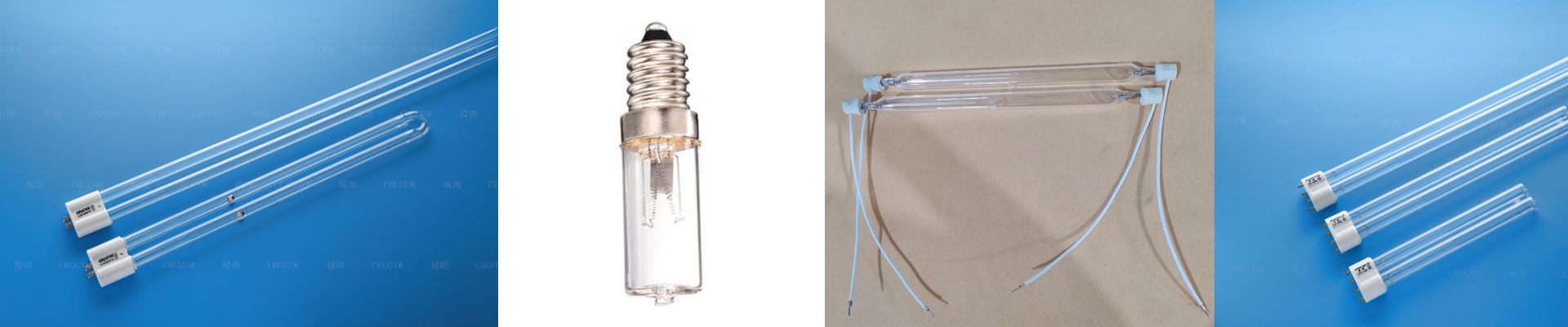
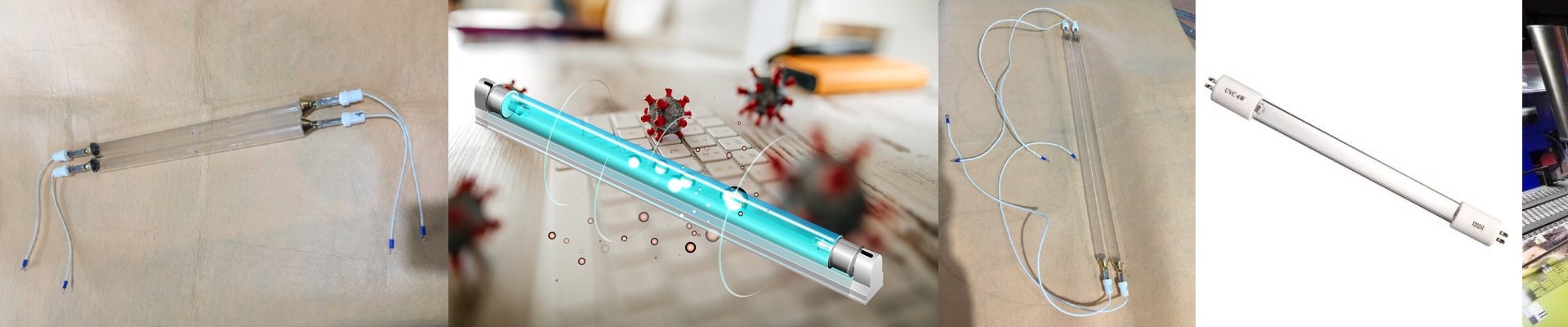
We don’t just put together UV lamps. We’re basically playing with the electromagnetic spectrum to hit a very specific bullseye. If you’re an OEM partner, you know the stakes. A tiny shift away from that 253.7nm peak isn’t just a technicality—it’s the difference between a perfectly sterilized product and a batch you have to throw in the trash. That’s why we spend our days obsessing over the physics of the arc and the purity of the quartz.
The trick to tuning a wavelength
Getting a precise wavelength isn’t magic; it’s about controlling gas pressure and picking the right electrode materials. We build our lamps around the specific chemical reaction you’re trying to trigger. For example, if you’re trying to rip apart the DNA of a microorganism, we tighten the tolerance on the UV-C peak. We do this by tweaking the mercury vapor pressure inside the tube. Push the pressure too high, and the output shifts. We handle all that calibration in-house so that when the lamp arrives, the spectrum actually matches what your system needs to work.
Why the glass actually matters
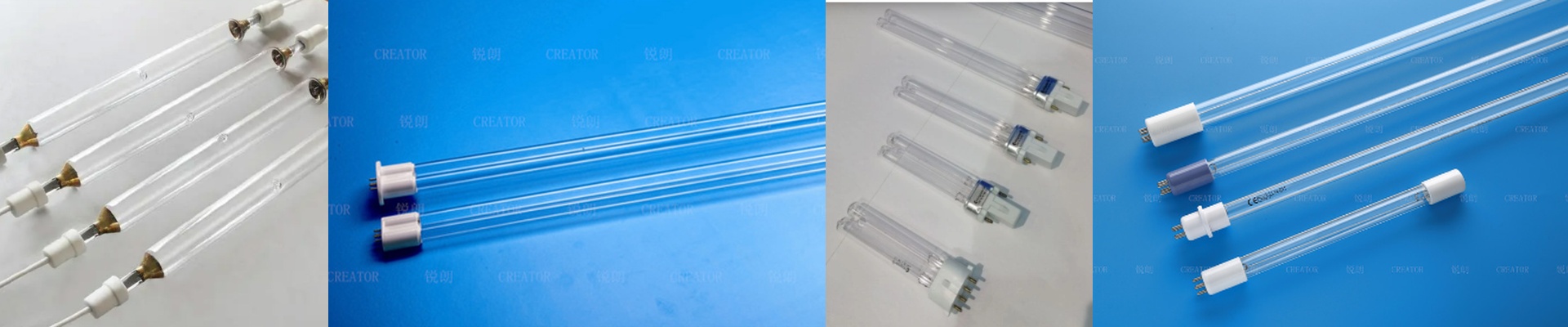
The tube isn’t just a bottle to hold the gas. Most glass—like the kind in a soda bottle—just blocks UV light. We use high-purity synthetic quartz because it lets the light through. But there’s a catch. The purer the quartz, the more sensitive it is to grime. A single fingerprint during assembly can create a “hot spot.” That tiny bit of oil can cause the whole tube to fail way too early. It’s a headache, which is why we build everything in clean-room environments. We keep it spotless so your lamps actually last.
Dealing with the heat
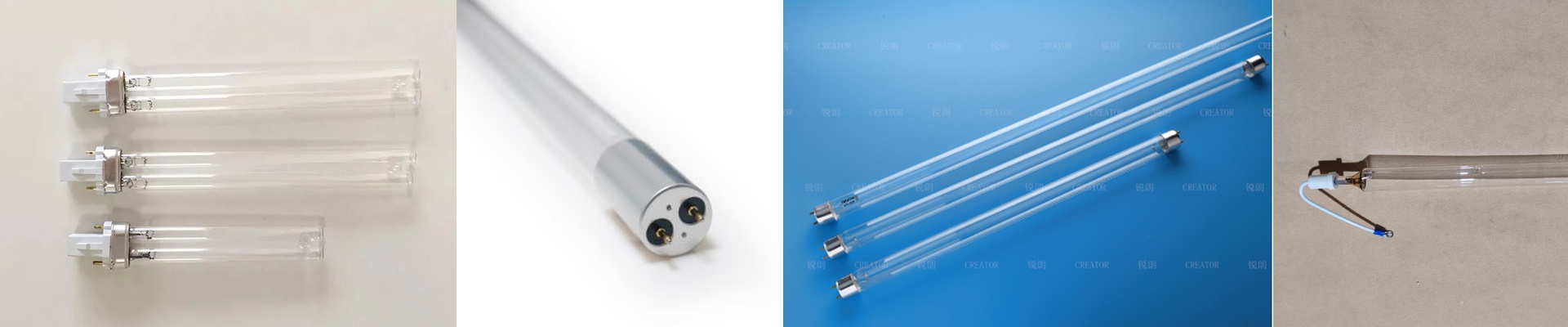
Once you drop these into your chassis, heat becomes your biggest enemy. High-intensity UV lamps dump a lot of infrared energy into the air. If your cooling setup is too small, the lamp temperature spikes. And here’s the annoying part: as the lamp gets too hot, the UV output actually drops. You have to get the airflow just right to keep the quartz in that sweet spot. To help you out, we’ll give you our thermal curves. That way, you can pick your fans and heat sinks before you even build your first prototype. No guessing games.