Why the Right UV Wavelength Actually Matters
Most UV lamps you’ll find on a shelf just slap a “germicidal” label on the box and call it a day. We do things a bit differently. In our lab, we aren’t just aiming for a general range. We hunt for the exact nanometer peak needed to snap the specific molecular bonds you’re targeting. Here’s the thing: if your wavelength drifts by even 5nm, your photon energy dips. And when that happens, your throughput just tanks.
The Secret is in the Quartz
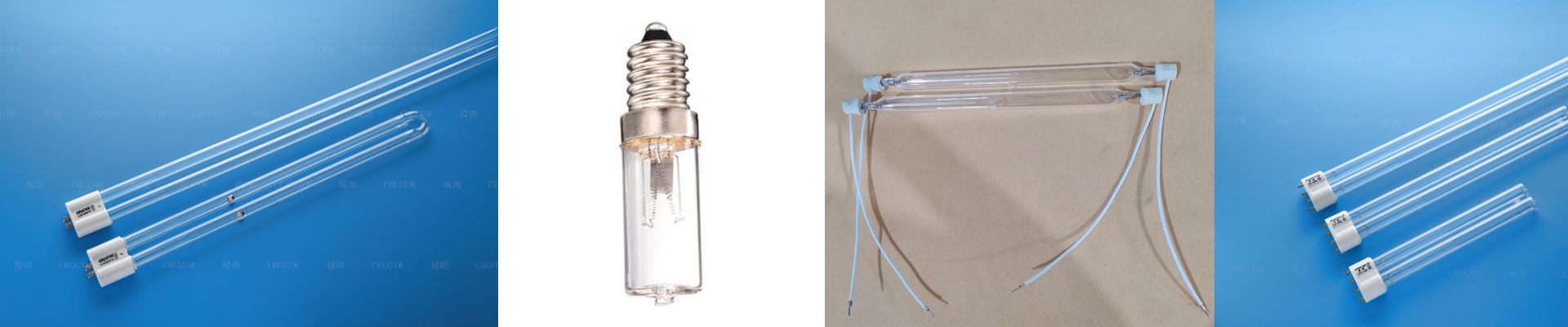
You can’t just use any glass. Standard soda-lime glass is basically a wall—it blocks almost everything below 300nm. That’s why we use high-purity synthetic quartz. It lets the UV light slide right through without getting absorbed. We also spend a lot of time tweaking the gas mixture and the electrode materials. Why? Because most lamps start to drift after a few hundred hours. We build ours to stay locked in.
Dealing with the Heat
When you cram high wattage into a tiny space, things get hot. Fast. We’ve seen plenty of replacement lamps burn out way too early because the end-caps couldn’t handle the thermal expansion. It’s a mess. To stop the quartz from cracking during those rapid heat cycles, we use reinforced electrodes and specialized sealants. One quick tip: make sure your ballast matches the lamp’s impedance. It’s tempting to over-drive the lamp to get more intensity, but you’re really just killing your cathode life.
Getting it Running on Your Floor
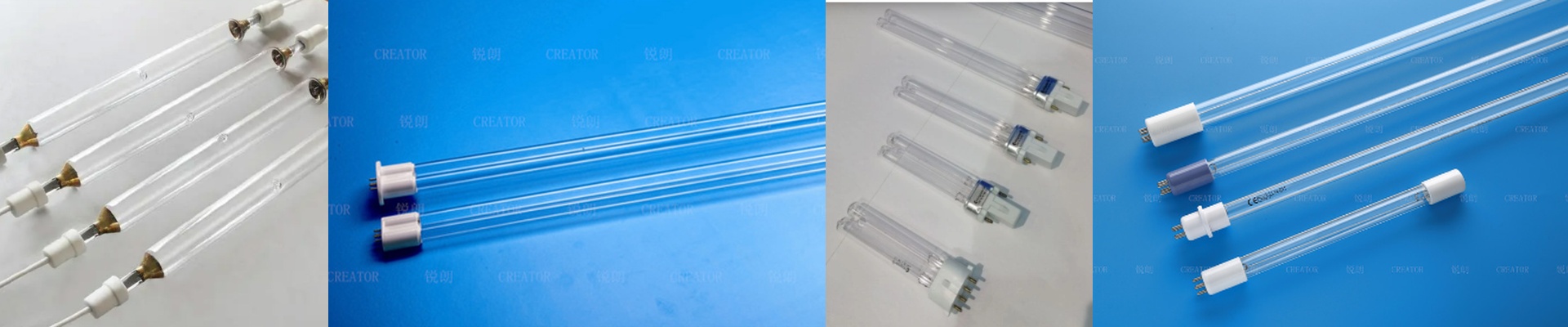
These are designed to be simple drop-in replacements. We keep the dimensions tight so you don’t have to mess around with your reflectors or housing. Just swap the lamp, grab a calibrated meter, and check your irradiance levels. And a heads-up on safety: high-output UV-C lamps can generate ozone if they leak into the 185nm range. Just make sure your ventilation is actually moving enough air to clear that gas before your team walks back into the zone.