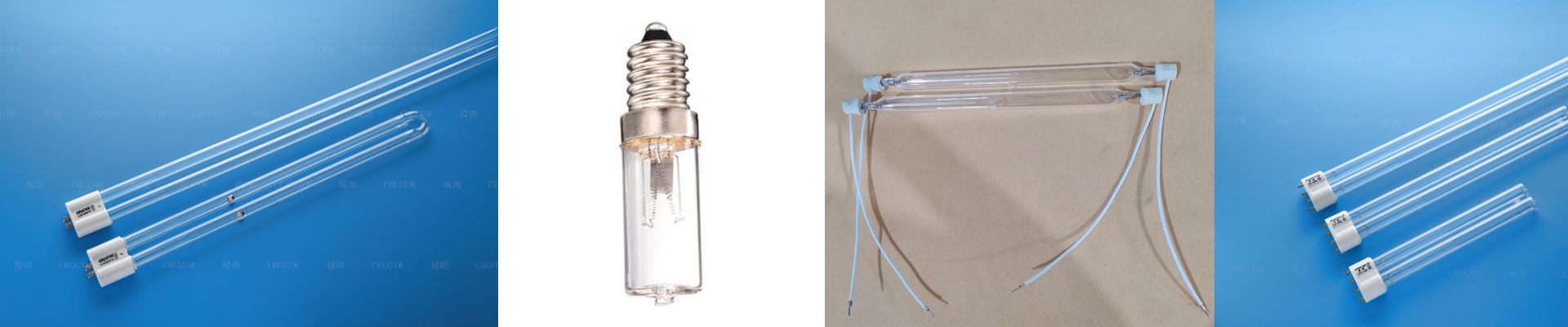
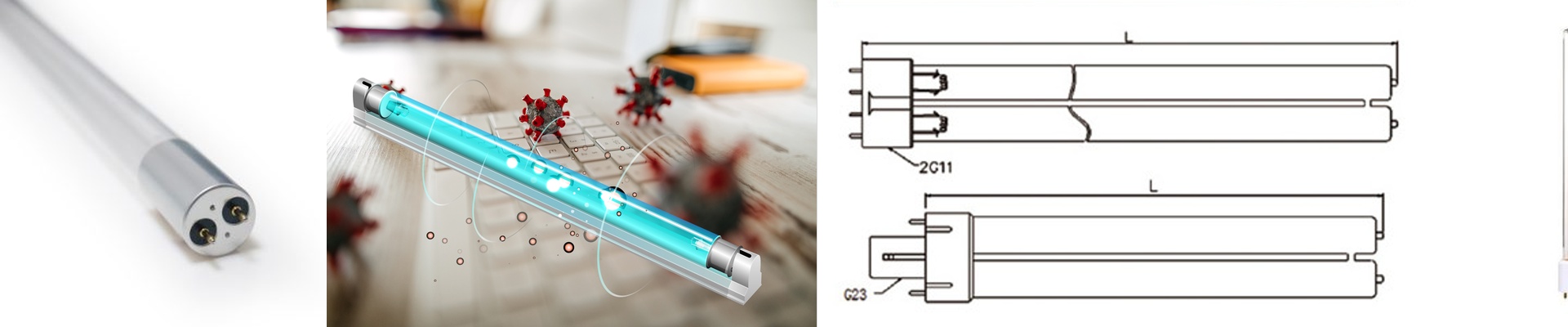
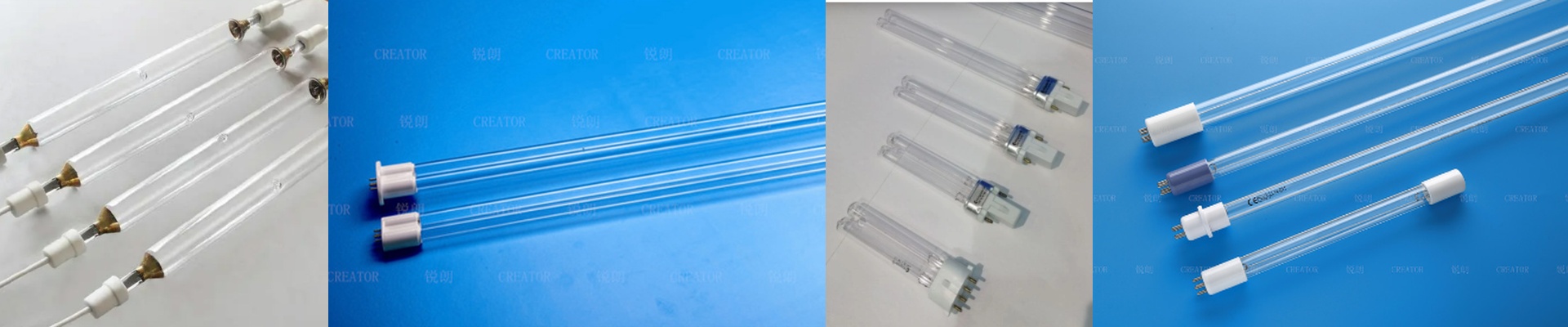
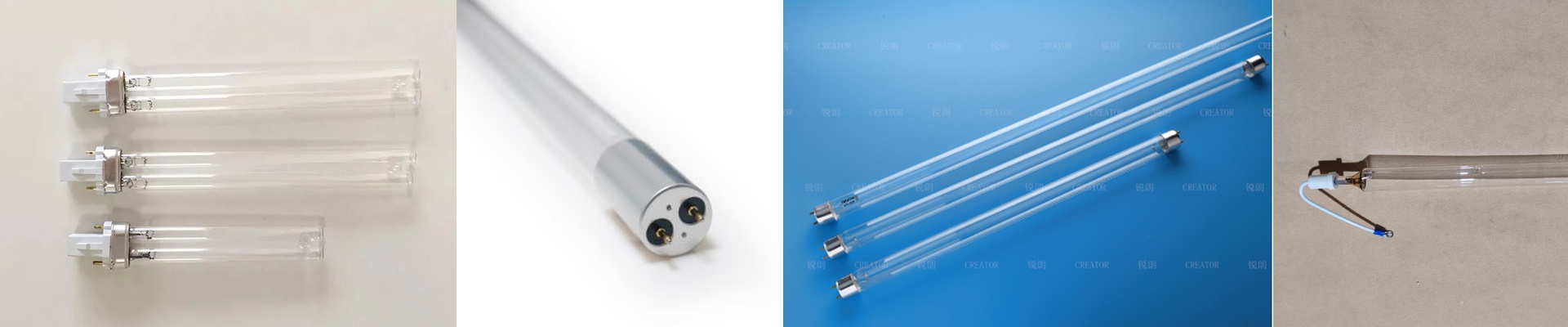
Getting More Punch Out of Your UV Curing Lamps
In industrial automation, consistency is everything. When we talk about bumping up spectral energy concentration by 0.5%, it sounds like a tiny, boring number. But in the real world? It’s the difference between a perfect finish and a disaster. If your energy is scattered, the resin doesn’t polymerize evenly. You end up with that annoying surface tackiness or internal stress that makes the whole piece fragile. Nobody wants to pull a batch of parts off the line only to find they’re still sticky.
The Secret to the “Sweet Spot”
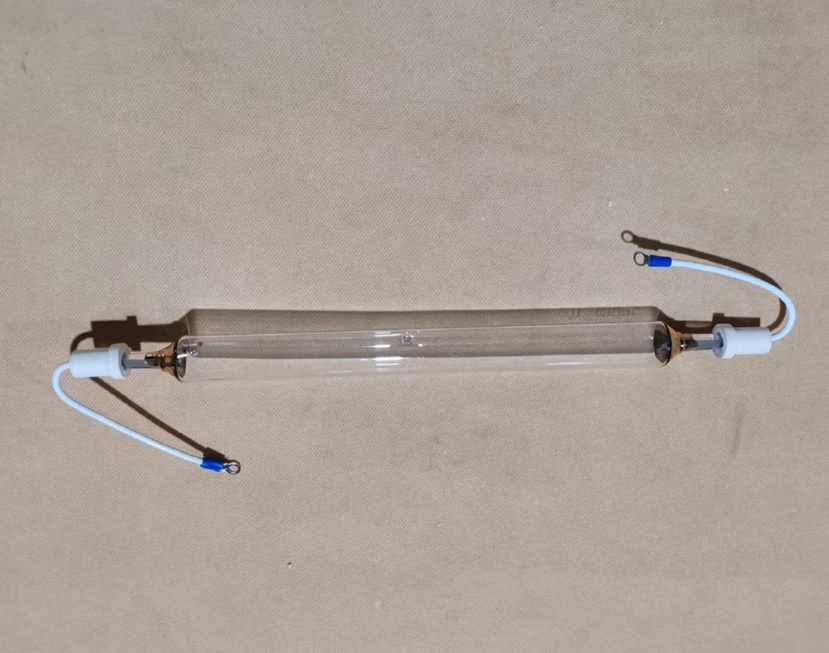
We spent a lot of time in R&D trying to narrow the spectral output. The goal was simple: hit the exact absorption peak of the photoinitiator. It’s a finicky process. You have to get the electrode geometry and the gas mix inside the quartz envelope just right. If the arc stability slips even a little, the wavelength shifts, and you’ve lost your edge. We also tweaked the internal reflectors. Why? Because wasting UV light by heating up the machine housing is a rookie mistake. We want every single photon hitting the substrate.
The Heat Problem
Here is the catch: more energy means more heat. You can’t just crank up the irradiance and pretend the IR radiation isn’t there. If you run these lamps at full tilt, your cooling system needs to be ready for it. We’ve seen too many setups where poor airflow leads to quartz solarization. Basically, the lamp kills itself. To keep the lamp alive and the envelope temperature steady, you need a cooling loop that actually works.
Making it Work on Your Line
We built these lamps to be drop-in replacements for high-speed conveyors. We stripped away all the bulk because nobody wants a massive piece of gear taking up floor space. Because the energy is so concentrated, you have two choices: speed up your line or shorten your curing tunnel. You get a harder cure in a much shorter distance. It’s a huge win for throughput. Just one tip—make sure your power supply matches the lamp’s impedance. If they aren’t in sync, you’ll deal with flicker or, worse, a premature burnout.