Stop Settling for Fixed-Length UV Lamps
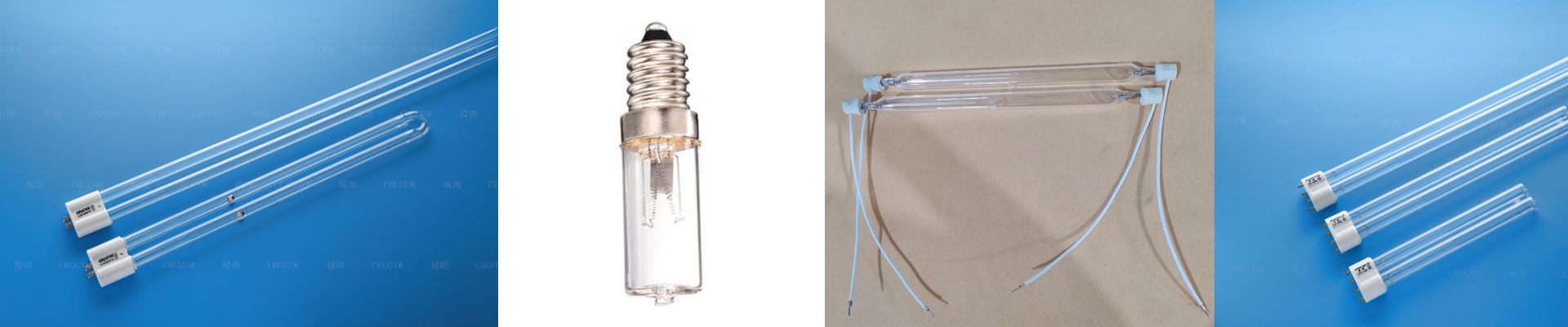
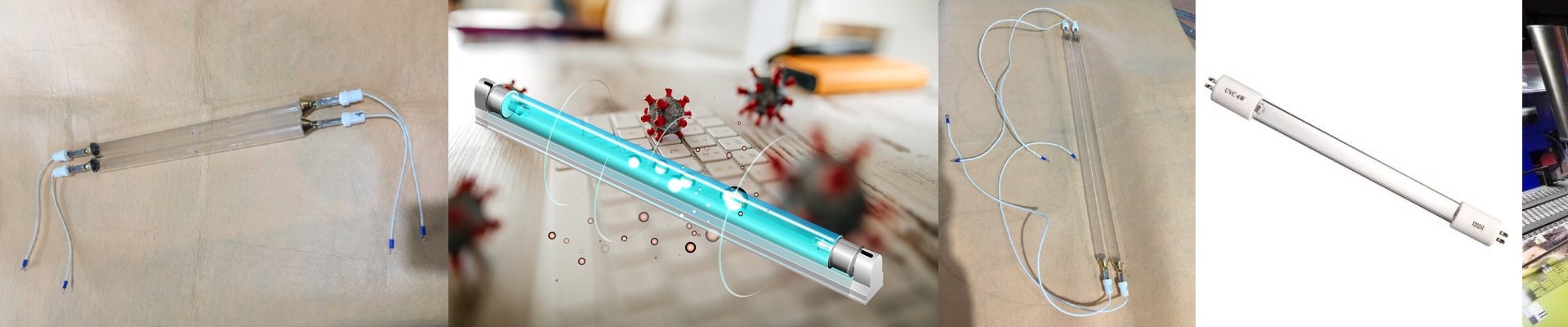
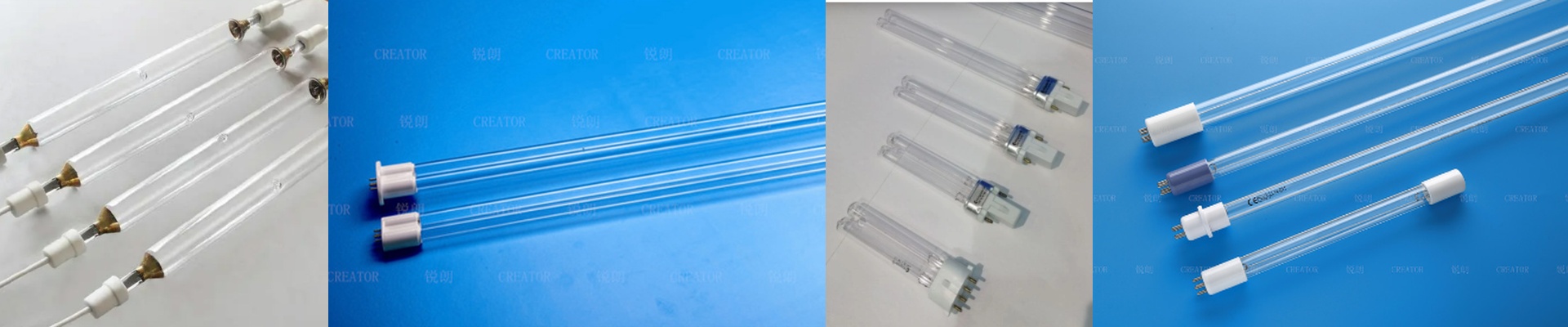
Ever feel like you’re stuck in a tug-of-war between how fast your line runs and how deep your cure actually goes? That’s usually what happens with those standard, one-size-fits-all UV lamps. You’re forced to compromise. We got tired of that, so we did something different. Instead of one giant, rigid unit, we built a Modular system. Think of it like LEGOs for UV curing. You can swap lamp modules in and out to get the exact energy profile you need for whatever coating or substrate you’re running that day.
Getting the Power Right
It all comes down to how much punch you’re packing into every centimeter. By grouping high-output lamps in a modular chassis, you can point the energy exactly where it needs to go. No more frying the edges of your parts just to make sure the center is actually cured. And we ditched those old magnetic transformers. They’re clunky and cause those annoying heat spikes and flickers. We use high-frequency electronic ballasts instead. It’s just smoother.
Built for the Actual Shop Floor
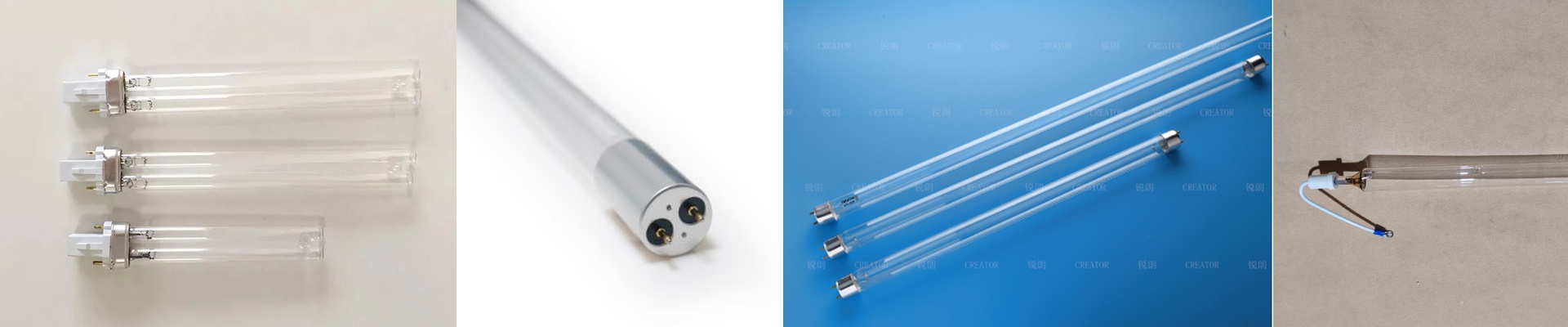
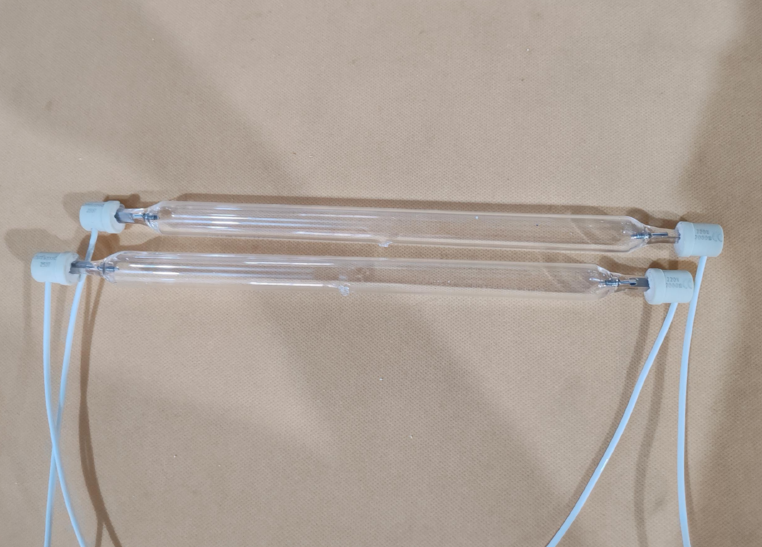
We didn’t design this in a vacuum; we designed it for the people who actually have to fix it when things go sideways. The lamps use quick-connect sockets. That means when a tube finally burns out, you aren’t messing around with soldering or a nightmare of wiring. You just pop the module out and swap it.Five minutes. Done. To keep things from overheating, we used extruded aluminum for the chassis to pull heat away from the bulbs. If these lamps get too hot, they lose their edge. We also used a specific type of doped quartz glass to narrow the emission spectrum. It basically forces the energy to hit the photoinitiators in your resin or ink right where it counts.
The Real-World Trade-offs
Look, nothing is perfect. Modular systems are flexible, but more parts mean more connection points. You’ll want to keep your cable management tight. If the wires are a mess, you might run into some electrical noise that messes with your sensors. Also, a word of caution: if you crank the power to the max in a tight space, things get hot—fast. You’ll need a solid exhaust system to pull away the heat and the ozone, otherwise, you risk warping your parts. If you’re pushing more than 5kW per meter, do yourself a favor and install a dedicated cooling manifold. It’ll save you a lot of headaches.