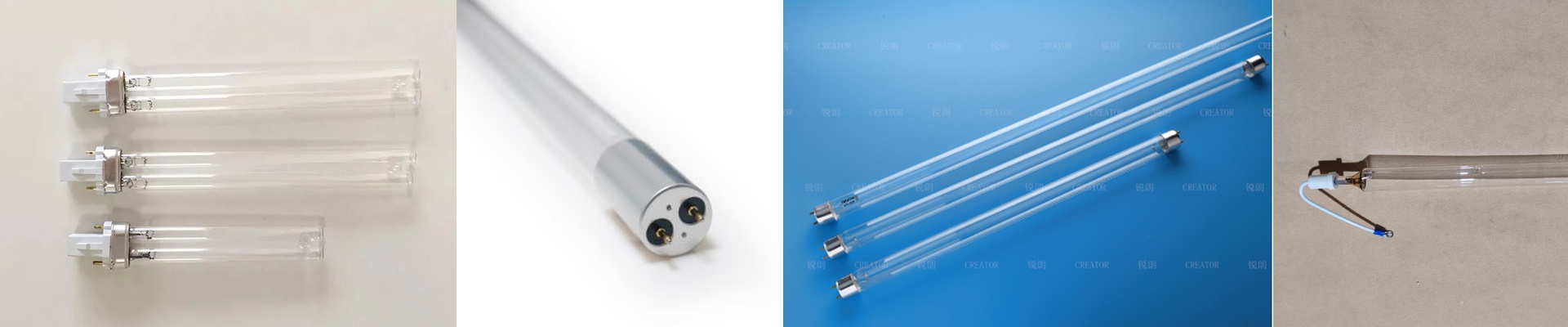
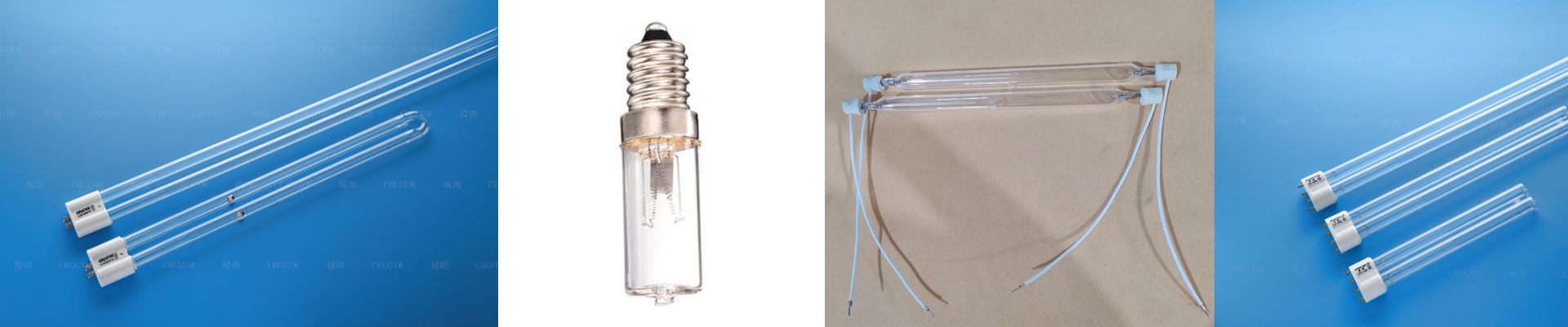
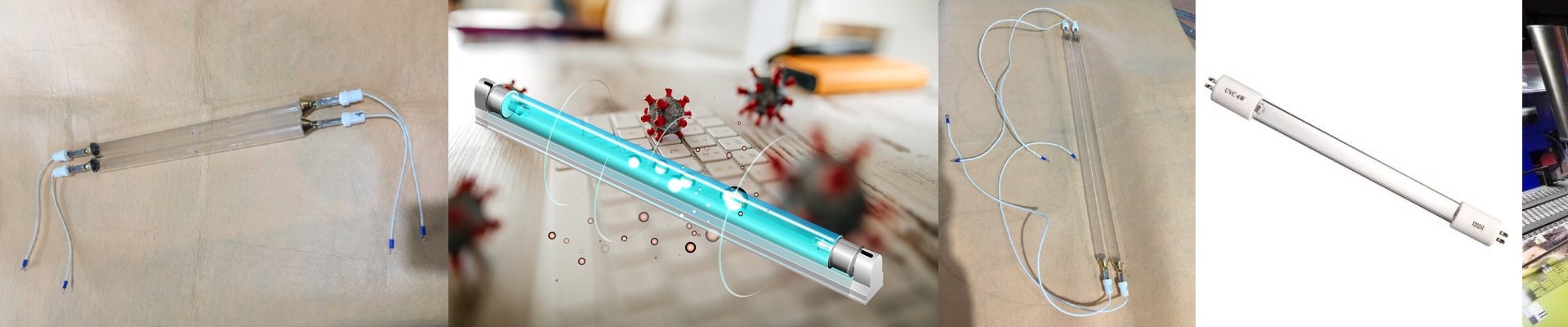
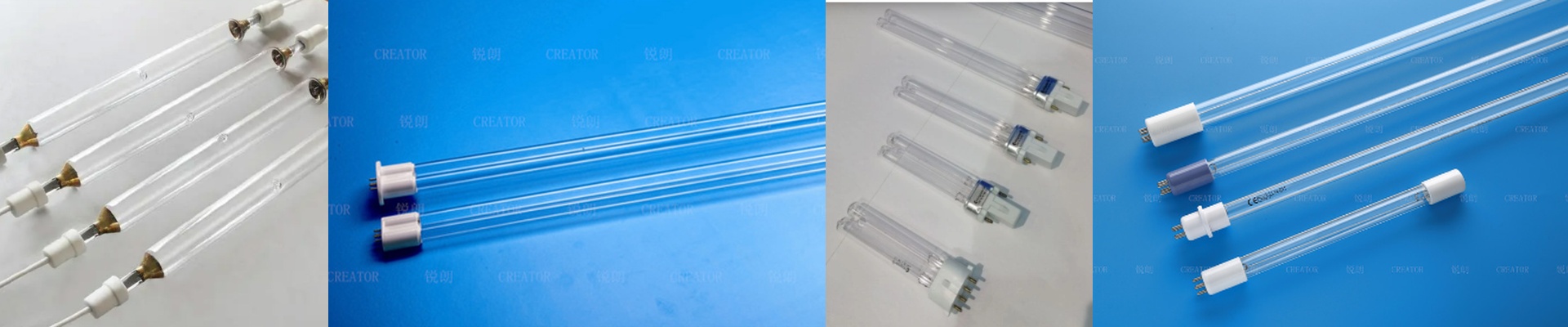
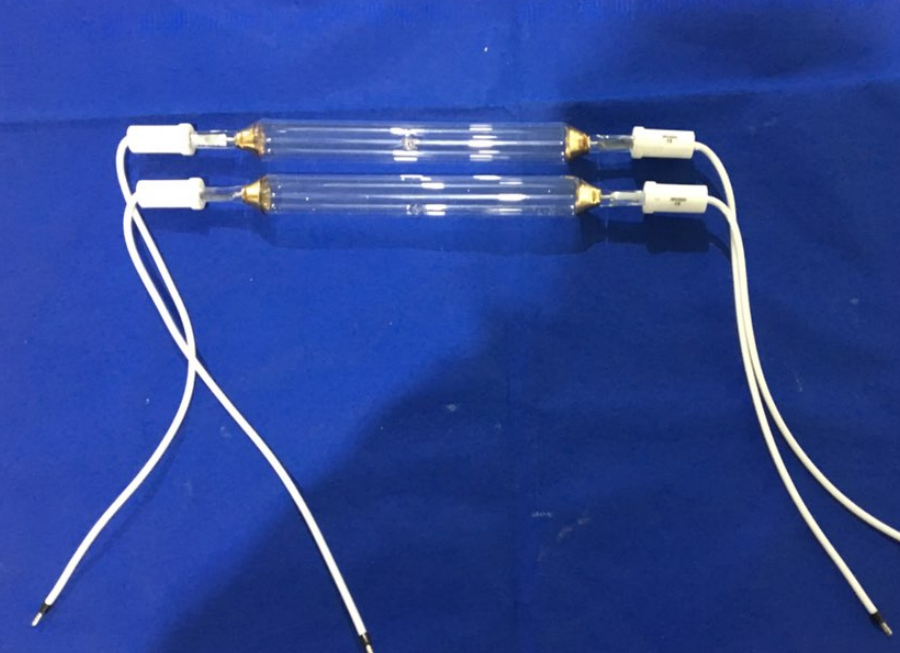
On the press floor, a lamp dying at 3:00 a.m. isn’t just downtime. It’s substrate in the trash, ink down the drain, and an emergency service call you didn’t budget for. That’s why we put every ultraviolet high-pressure mercury lamp through a full-power, loaded burn-in for two hours before it ever leaves the factory. This isn’t a box-ticking ritual. It’s a hard quality gate—one that forces out early-life failures, settles the electrode conditioning, and confirms the spectral output is stable at the 365 nm peak that actually drives photoinitiator cross-linking. What matters under the hood These high-pressure mercury vapor lamps are built for industrial UV curing, with an output envelope that stays steady across short-wave and medium-wave energy. Peak irradiance is held where it needs to be so you hit the required dose (mJ/cm²) across the web or substrate—not just along the lamp centerline. We match the arc tube chemistry and the quartz envelope to the reality of rapid start/stop cycling. The reflector assembly and dichroic coating are tuned to push more usable energy onto the substrate and keep wasted heat out of the equation. Every lamp’s output is measured against a known spectral baseline, so you can count on cure-window repeatability from lamp to lamp. Why this matters on your press In UV offset, flexo, and screen printing, cure consistency is the line between a good stack and a pile of rework. A lamp that survives burn-in comes in predictable, with lower drift and far fewer surprise failures. That translates directly into less scrap, fewer lamp swaps, and uptime that stays uptime. The two-hour burn-in also smooths out early-life gas clean-up effects, so the lamp behaves in production the way it was characterized—no “surprises” after the first week. The practical details that bite you High-pressure mercury lamps are particular about ballast matching, ignition voltage, and operating temperature. Install them only with the specified power supply and reflector combination, and make sure your printer’s shutter cycle and airflow are within the lamp’s thermal limits. Output will decay over time. Run intensity checks with a spectral radiometer, and plan replacements around delivered dose—not how long the lamp has been on the calendar.