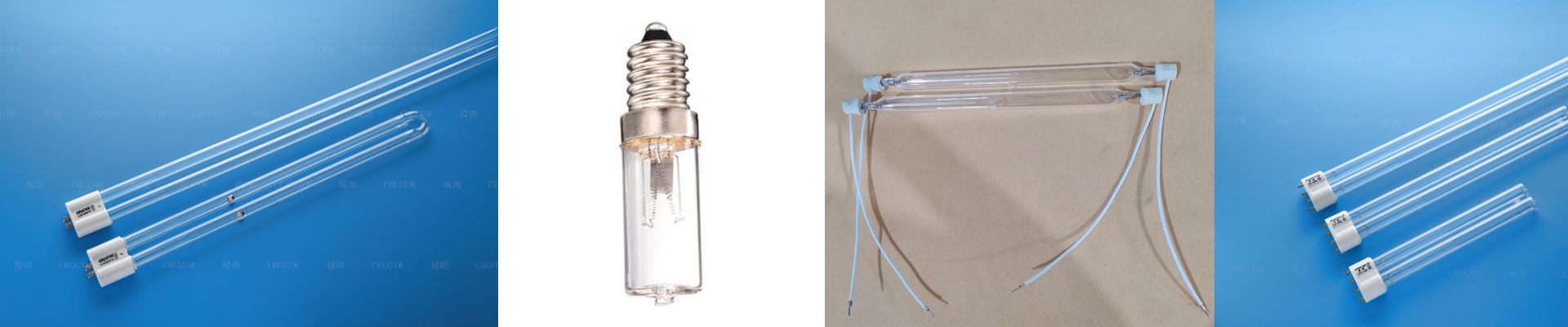
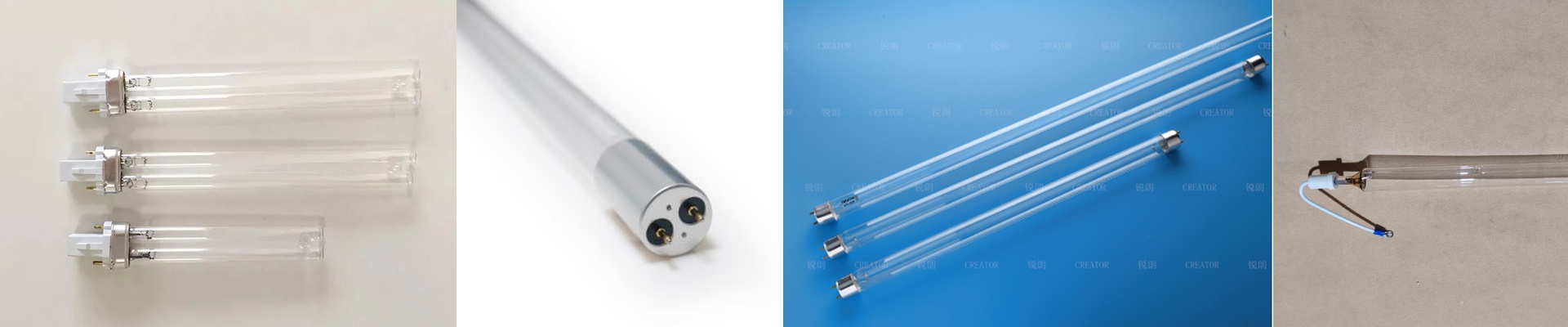
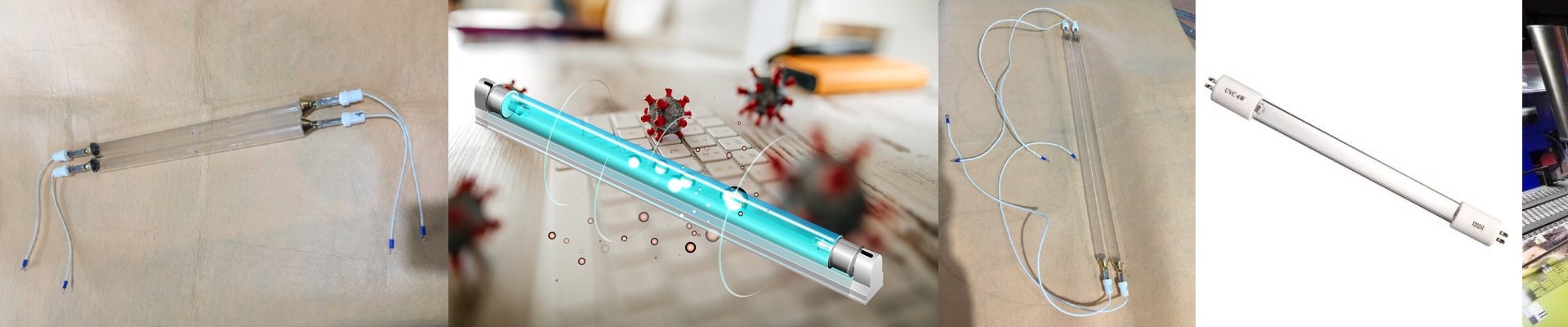
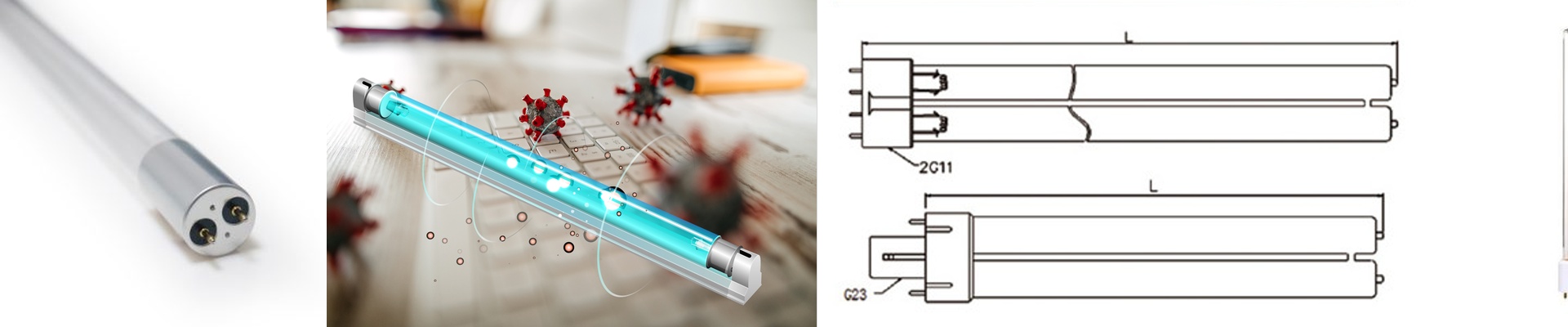
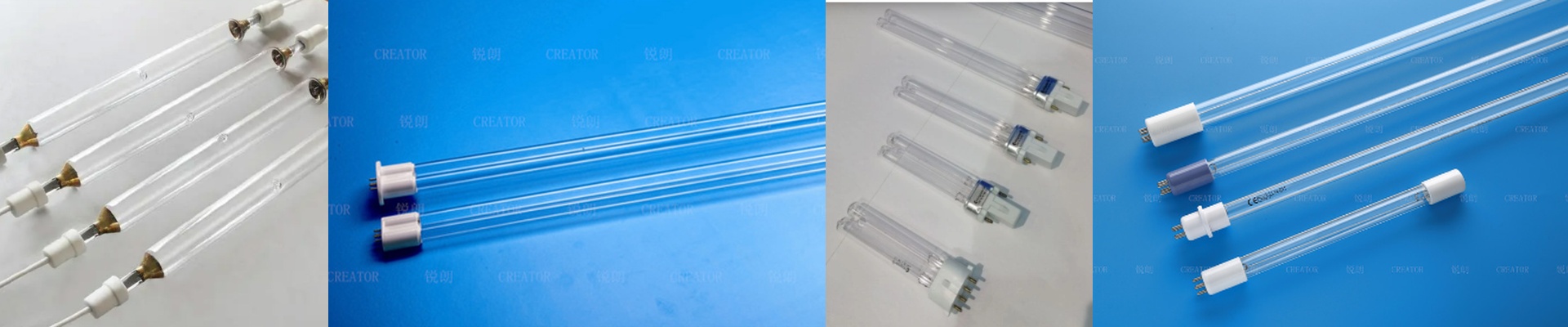
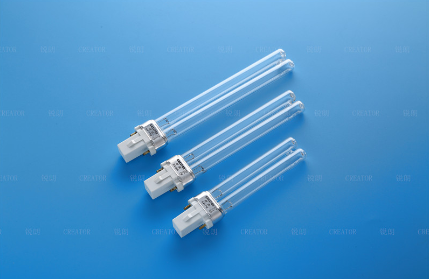
On the floor, downtime isn’t theoretical. It’s meters of substrate you never get back and presses sitting idle. When a UV lamp starts drifting, the line stops—and your margin goes with it. If you’re selling into the print consumables side, you’re not just moving a lamp. You’re supplying a component that has to keep production honest, shift after shift. That’s where the low-pressure UVC germicidal lamp earns its keep. It’s built for steady spectral output and repeatable irradiance, exactly what you need when the job demands consistent curing and disinfection performance. What matters under the hood These lamps rely on a stable mercury vapor discharge that gives you a dominant 254nm line, with controlled output across the UV band. We talk in real terms: power density per unit length, peak irradiance at the target plane, and spectral half-width. Those numbers tell you what to expect from photoinitiator activation and microbial inactivation. You should see stable output over thousands of hours, with end-of-life decay that stays manageable. Reflector geometry and dichroic coatings shape the beam so you get more usable UV dose and less stray heat. Ozone-free quartz keeps the environment safe while staying highly transmissive at 254nm. Why it fits the printing workflow In printing, the lamp has to deliver repeatable dose—hit the curing window without scorching the substrate. When 254nm output stays consistent, cross-linking stays predictable. Rejects drop, and you can push line speeds with confidence. Energy use stays sane because low pressure plus high quantum efficiency translates to lower kWh per cured meter. Long lamp life means fewer changeouts, so service interruptions shrink and you don’t have to tie up cash in spares. If you’re selling this, the story is simple: fewer callbacks, more uptime, and an ROI that shows up on the job. The details that make or break it You have to match the lamp to the reflector, the ballast, and the end-of-life detection circuit. No shortcuts. Output will fall if airflow isn’t there or if the lamp runs outside its rated envelope. Verify connector type, arc length, and voltage. Make sure the reflector is aligned to the substrate path. A small misalignment can drop irradiance by double digits. And treat UVC exposure like the real hazard it is—interlocks and shielding are mandatory. When you get those basics right, the low-pressure UVC lamp delivers the stable performance that keeps presses running and keeps customers coming back.