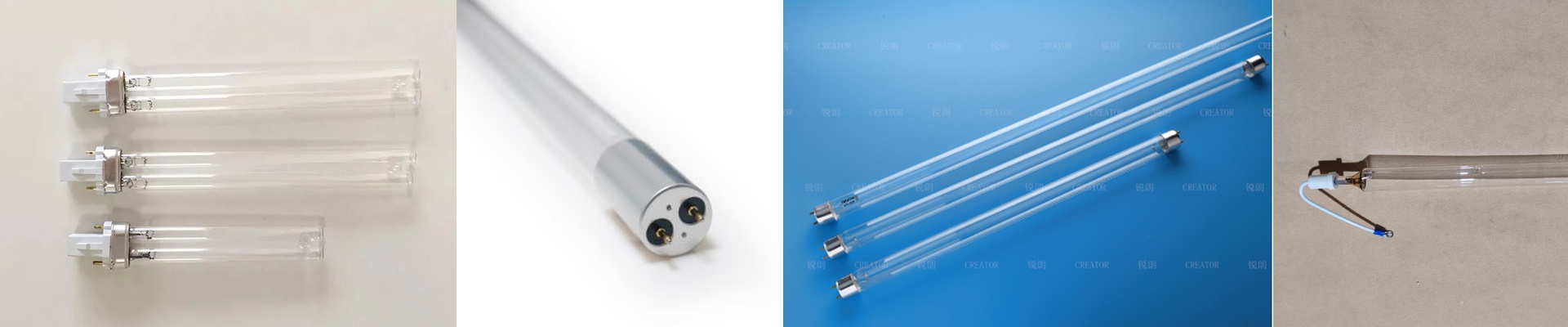
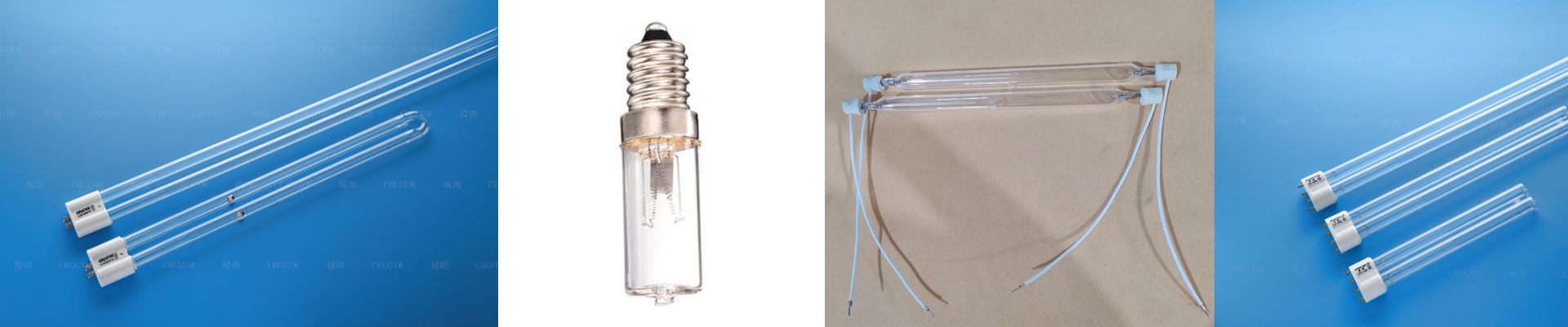
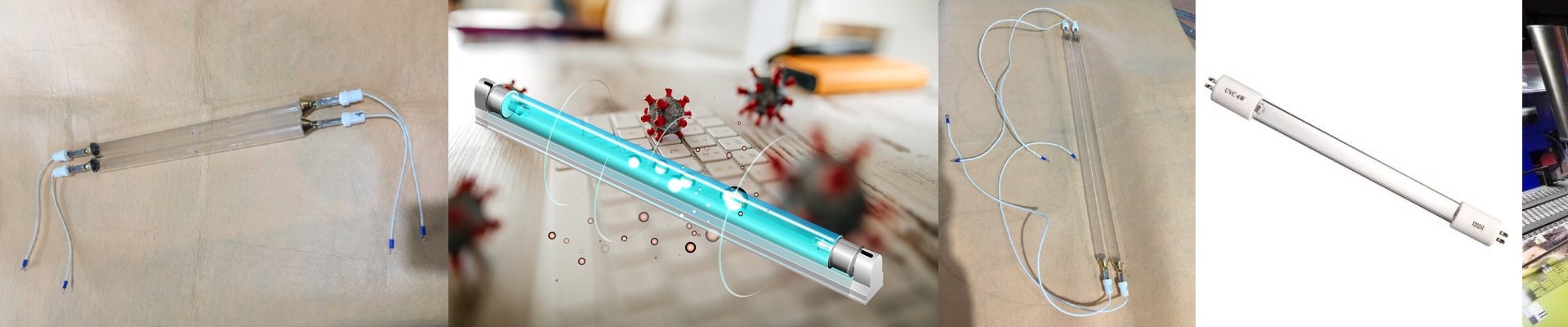
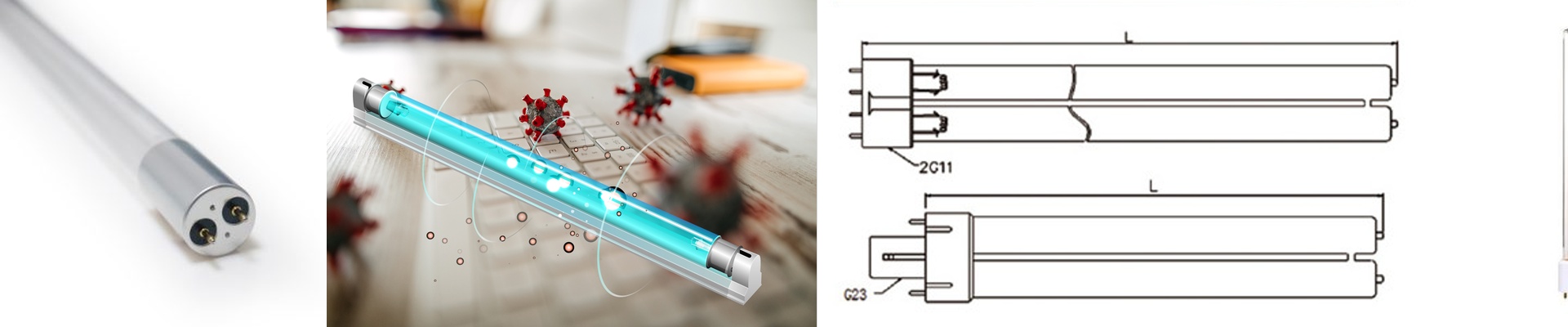
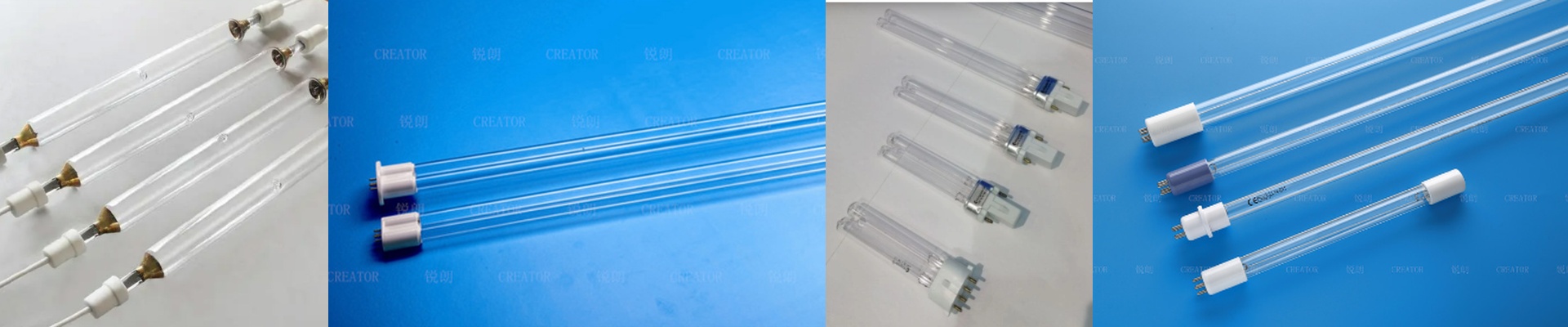
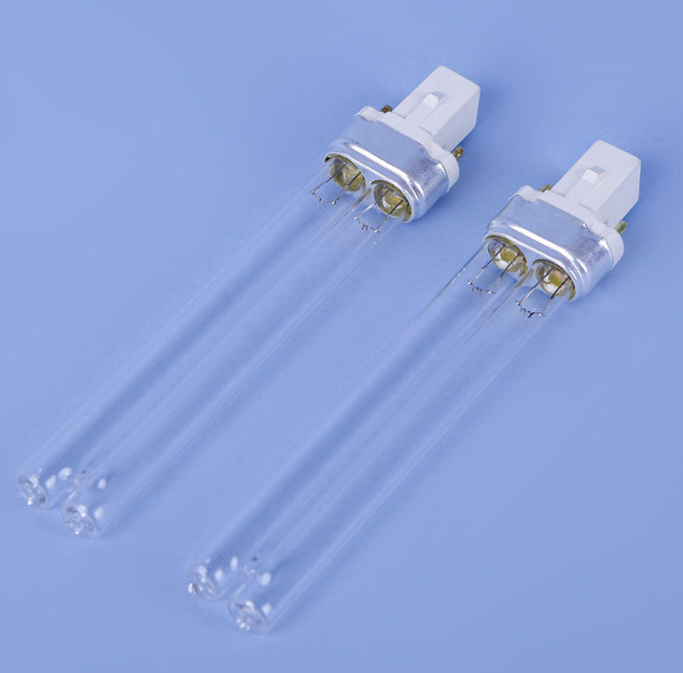
On the press floor, a familiar symptom keeps production managers up at night: printed surfaces remain tacky long after they should be dry. The culprit is often misdiagnosed—blamed on ink formulation when the real issue is your UV lamp entering photometric decline. A lamp past its prime delivers insufficient peak irradiance, leaving photoinitiators unreacted and inks incompletely cross-linked. What Matters Technically UV curing is not about heat; it is about delivering photons at the exact wavelength the photoinitiator absorbs. Our mercury vapor lamps maintain a stable spectral output at 365nm and 395nm, ensuring deep penetration into thick ink layers. The reflector’s dichroic coating maximizes forward irradiance, while the quartz envelope sustains consistent transmission. This translates to instantaneous, complete cross-linking—even on dense substrates. We specify irradiance in mW/cm² and energy density in mJ/cm², not arbitrary wattage. Why It Works Here When your current lamp shows a 20% drop in UVA output, you lose the ability to trigger full polymerization. Our replacement units restore the required energy density, eliminating surface stickiness and enabling immediate downstream handling. The result is fewer rejected sheets, reduced solvent use, and predictable throughput. For presses running 24/7, this means stable cure profiles, shift after shift. Things to Know Matching lamp arc length and base configuration to your reflector housing is non-negotiable. Verify electrical compatibility with your power supply and ballast; mismatched impedance shortens lamp life. Also, handle the quartz envelope with gloves—oils from skin create hot spots that accelerate degradation. Expect 1,200 to 1,500 hours of stable output before output declines beyond 10%.