Getting Your UV Bulbs Right Without Breaking the Bank
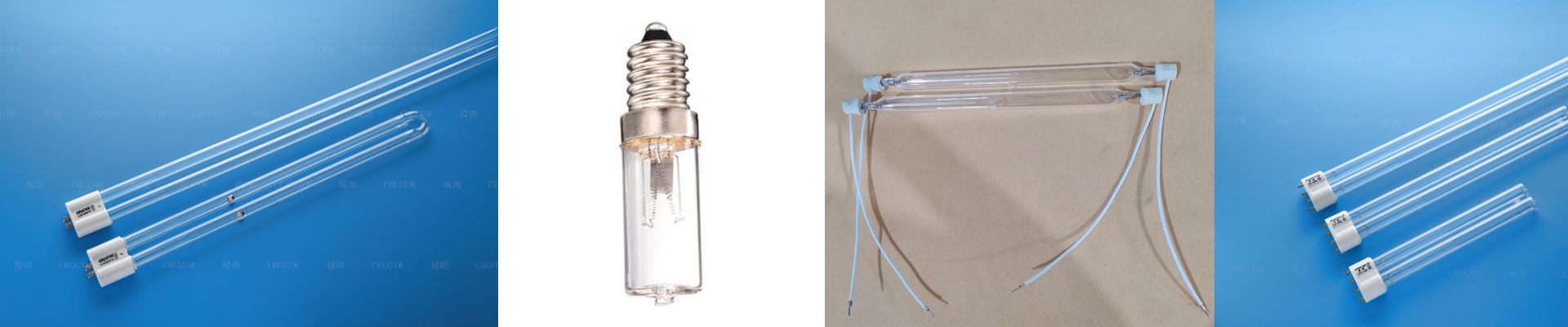
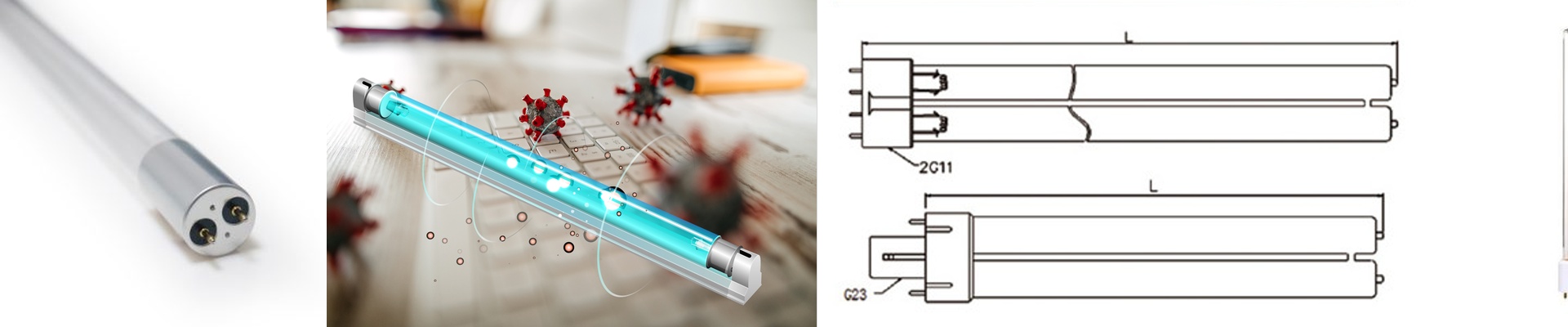
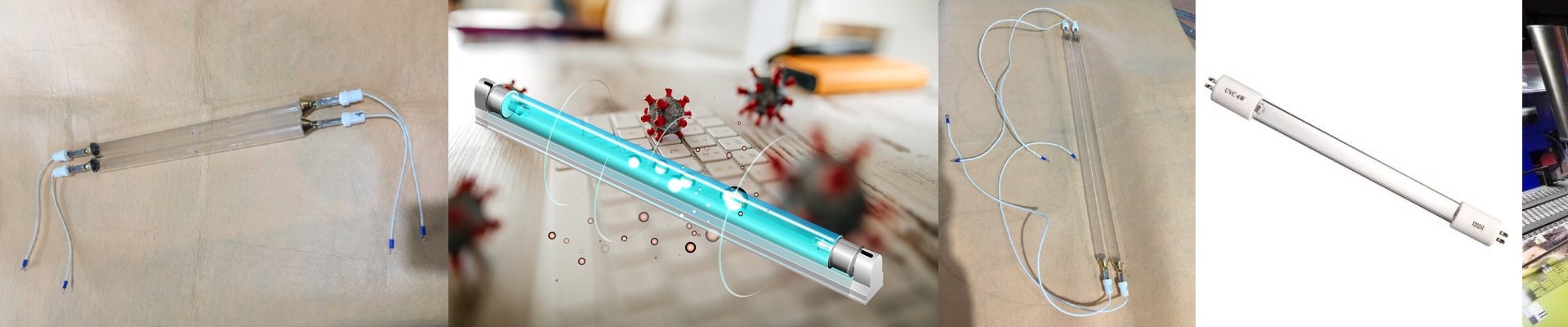
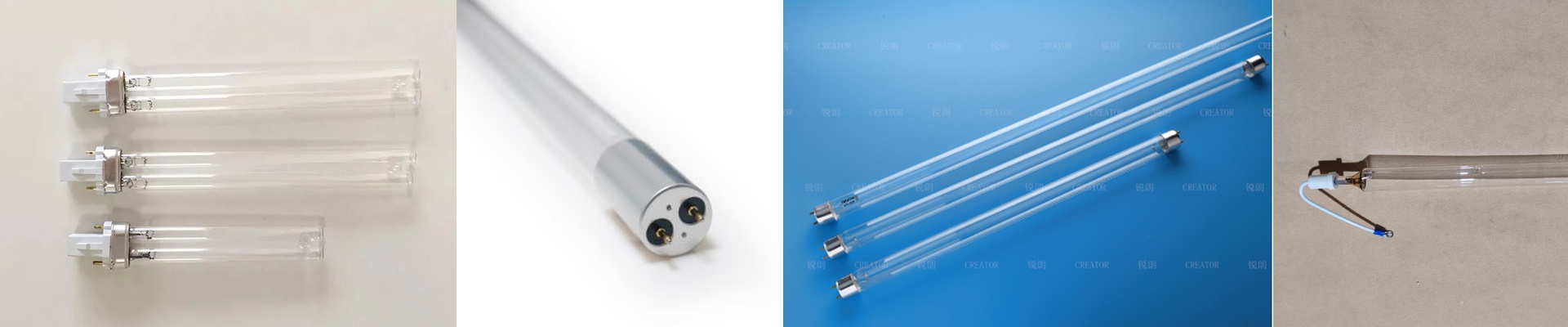
Let’s be honest: custom UV lamps are the heartbeat of your printing line. If they aren’t working, everything stops. For most small to mid-sized shops, the goal isn’t some complex engineering feat—it’s just getting a fast, clean cure without getting ripped off by proprietary replacement costs. That’s where we come in. We provide bulk germicidal and curing bulbs that fit your specific setup but actually deliver the power you need.
Power, Speed, and the “Blowout” Risk
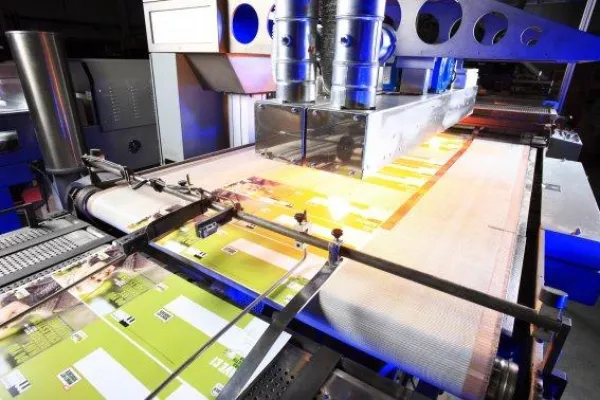
It all comes down to the balance between wattage and the length of the tube. When we’re figuring out your specs, we focus on a very specific UVC wavelength. Why? Because that’s what makes the photoinitiators in your ink snap into place instantly. Higher wattage means you can crank up your line speed. The ink sets in milliseconds. It’s fast. Really fast. But here’s the thing: keep an eye on your power draw. If you try to jam too many high-wattage bulbs into an old transformer, you’re just asking for a blown fuse or a fried ballast.
The Quartz Struggle
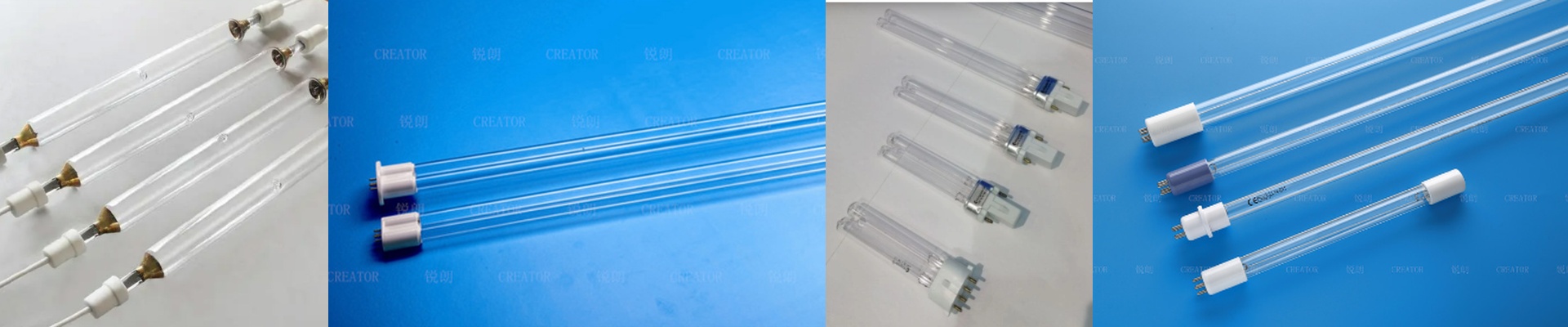
We use high-purity quartz for these tubes because standard glass just blocks UV rays. Quartz lets them fly right through and handles the stress of heating up and cooling down. But quartz is finicky. It’s brittle. If your team handles the bulbs with bare hands, the oils from their skin stay on the glass. Once the lamp heats up, those oil spots become “hotspots.” The glass expands unevenly, andcrack—your brand new bulb is ruined before the first run. Do yourself a favor: always wipe them down with isopropyl alcohol before you wire them in.
Breaking Free from OEM Pricing
Most shop owners I talk to are tired of being “locked in” to OEM pricing. It feels like a shakedown. We design our bulbs to be simple drop-in replacements. We nail the end-caps and the lengths so you can swap out a burnt-out tube without having to mess with your reflectors or cooling fans. Buying in bulk is the only way to make high-end curing affordable for the smaller guys. Just make sure your cooling system can handle the heat load. If it can’t, those bulbs are going to burn out way faster than they should.