Getting Your UV Lamps to Actually Work on a Modern Press
We spent some time visiting about 3,000 printing plants. We wanted to see where these UV systems actually fall apart. What we found was surprising. Usually, the bulb itself isn’t the problem. The real headache happens when the lamp’s output and the line speed are totally out of sync. If you don’t nail the balance between the heat and the light, you end up either with ink that won’t dry or paper that’s literally scorching.
The Battle Between Power and Speed
It all comes down to how much power you’re pushing and where it’s focused. If you’re running a high-speed press, you need that ink to cure instantly. That means cranking up the UV-C and UV-B output. You need a massive flood of photons to trigger that chemical reaction in a split second. Why? Because if the ink is still tacky when the sheets start stacking, you’ve got a disaster on your hands. But you can’t just blast it with unlimited power. Without the right control, you’ll just burn a hole right through your substrate.
Dealing with Heat and Glass
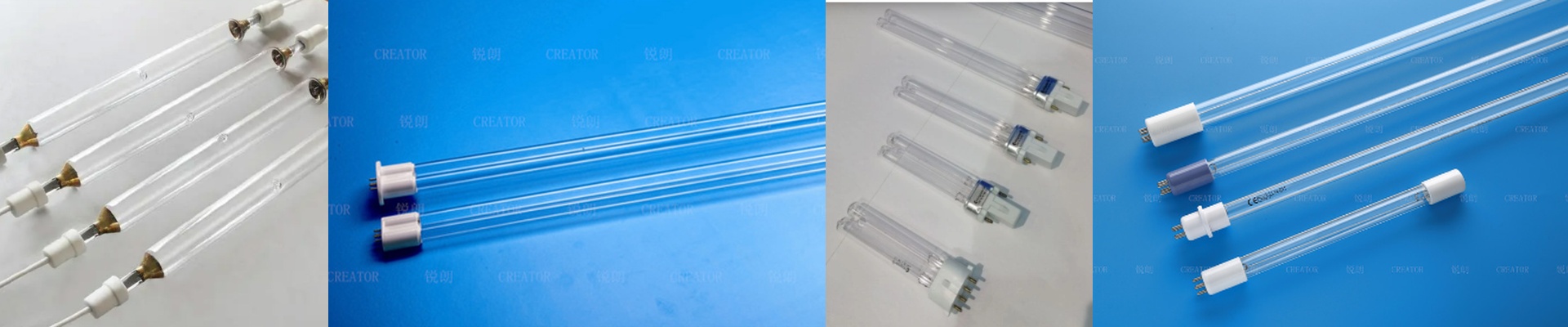
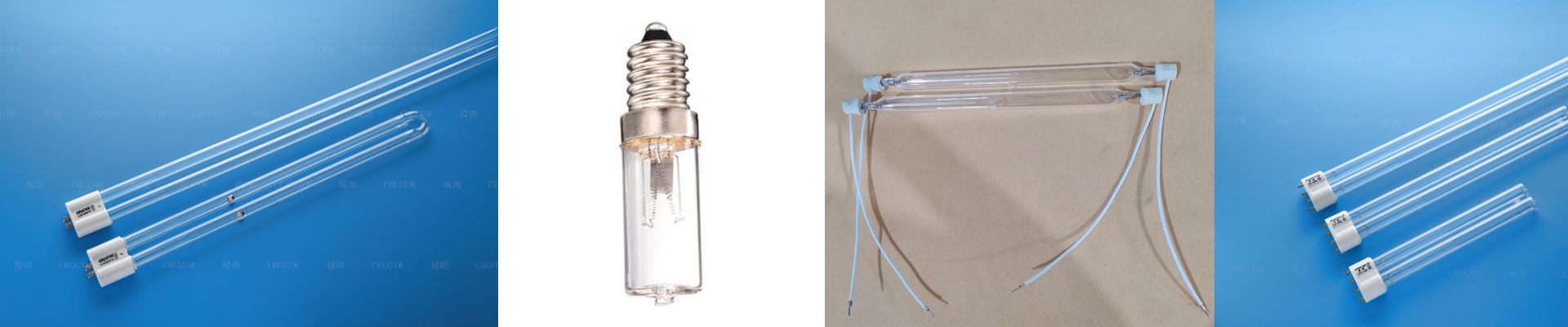
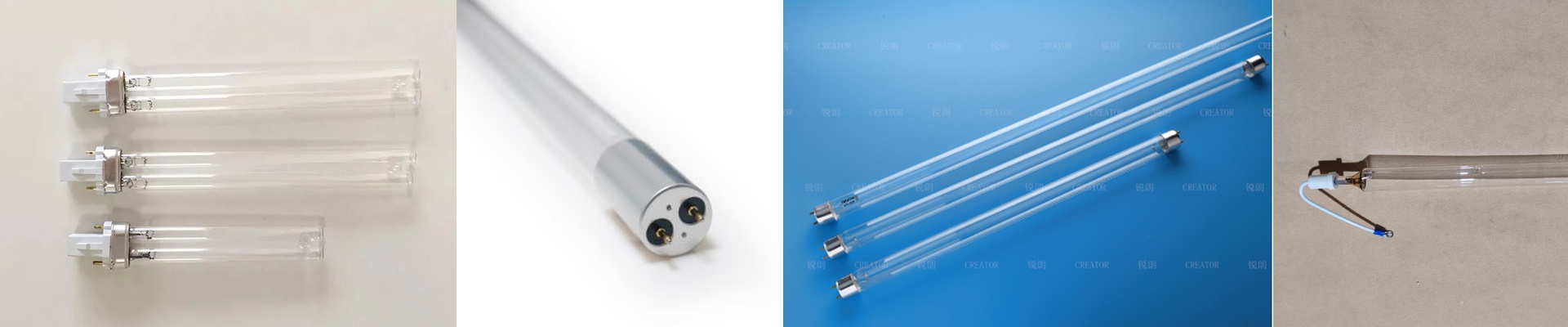
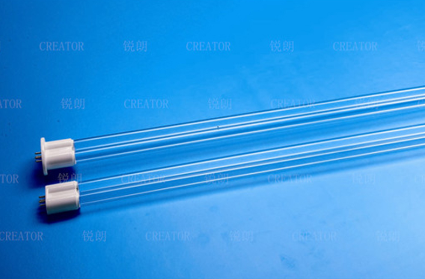
We use high-purity fused quartz for the tubes. Regular glass is useless here—it just blocks the UV rays. Quartz lets them fly right through. These tubes take a beating. They heat up and cool down fast, over and over again. We’ve spent a lot of time tweaking the wall thickness. It has to be strong enough to handle the pressure inside the gas discharge, but thin enough that it doesn’t soak up the UV light. But here’s the thing:cooling is where most people get stuck. A high-output lamp creates a ton of infrared heat along with the UV. If your exhaust fans or chillers can’t keep up with that heat load, the quartz gets stressed. And when that happens, the lamp pops. Simple as that.
Making Life Easier for the Crew
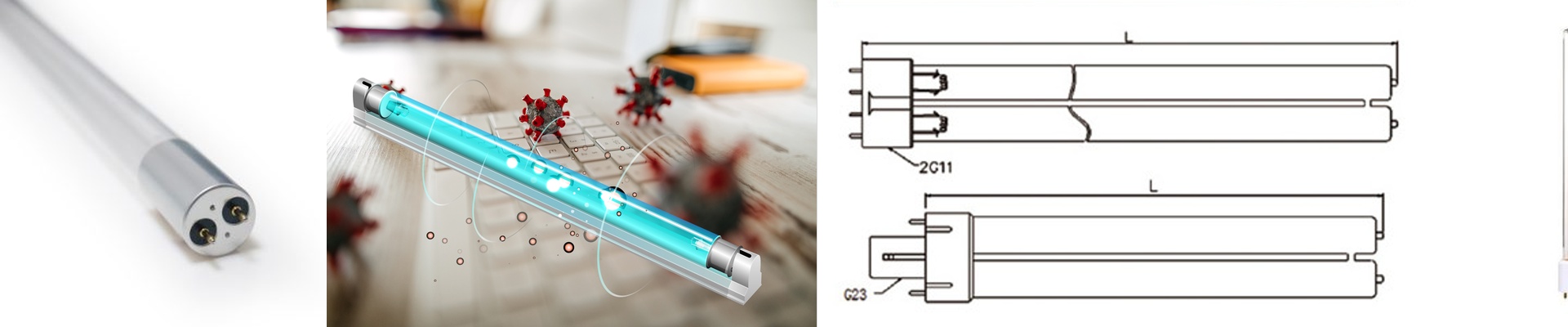
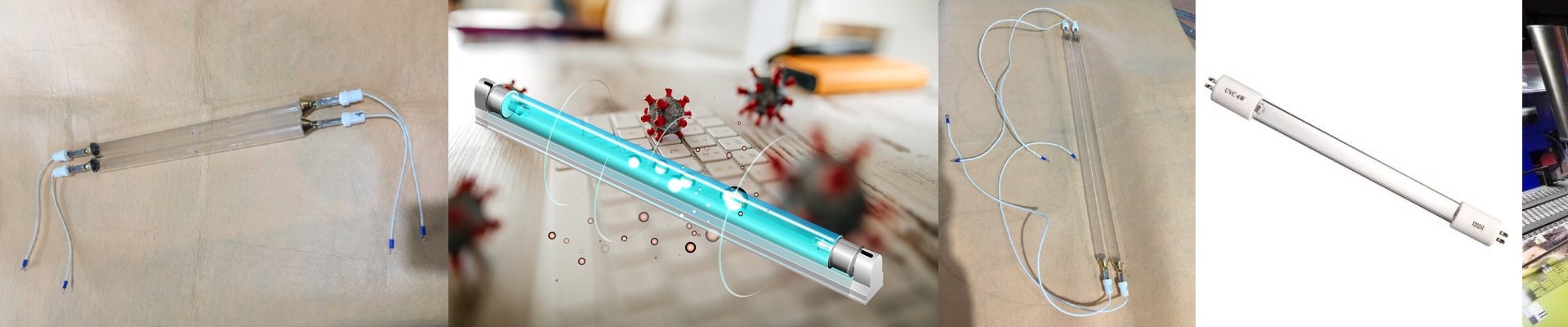
We don’t believe in making things complicated. We design our lamps to be drop-in replacements. We use standard connectors so your techs can swap out a dead lamp in a few minutes. No one wants to spend their afternoon rewiring a whole rack. We also keep the footprint small. It slides right into the gaps in your existing conveyor, so you don’t have to tear apart your machines just to get an upgrade.