15 Years of Figuring Out UV Sterilization
We spent a decade and a half moving from just putting together other people’s parts to actually engineering our own UV lamps. We wanted them to hold their own against the big international brands. But we weren’t chasing some vague idea of “quality.” We were chasing stability. We wanted a UVC output that didn’t waver and a quartz envelope that wouldn’t give up the ghost under heavy industrial loads.
The nitty-gritty of UVC
Here is the thing about UVC: it’s all about the 253.7 nm peak. To get that right, you have to be obsessed with the gas fill and the purity of the quartz. If the quartz is cheap or full of impurities, it actually eats the UVC before the light even leaves the tube. That’s why we use high-transmittance synthetic quartz. It ensures the germicidal radiation actually hits the surface it’s supposed to, instead of getting trapped inside the glass.
Heat is the enemy
When you push a high-wattage system, things get hot. Fast. If the lamp overheats, the mercury vapor pressure spikes and your output just tanks. To stop that, we spent a lot of time tuning our ballast compatibility. We wanted to kill the flicker and stop those current surges that fry electrodes. You get a steady stream of photons, but you still have to do your part. Your airflow has to be spot on. If your housing doesn’t vent the heat, the lamp life will plummet. It doesn’t matter how well the lamp is built; physics always wins.
Real-world use
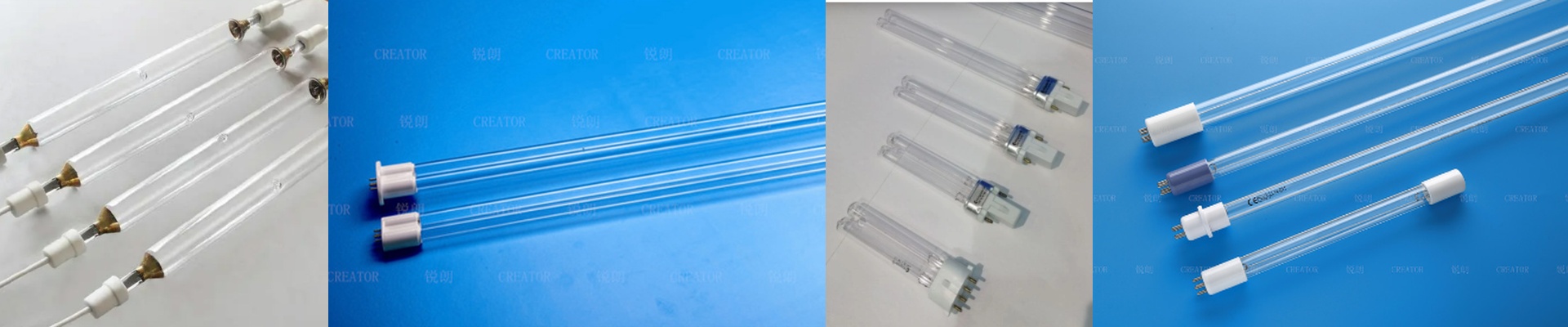
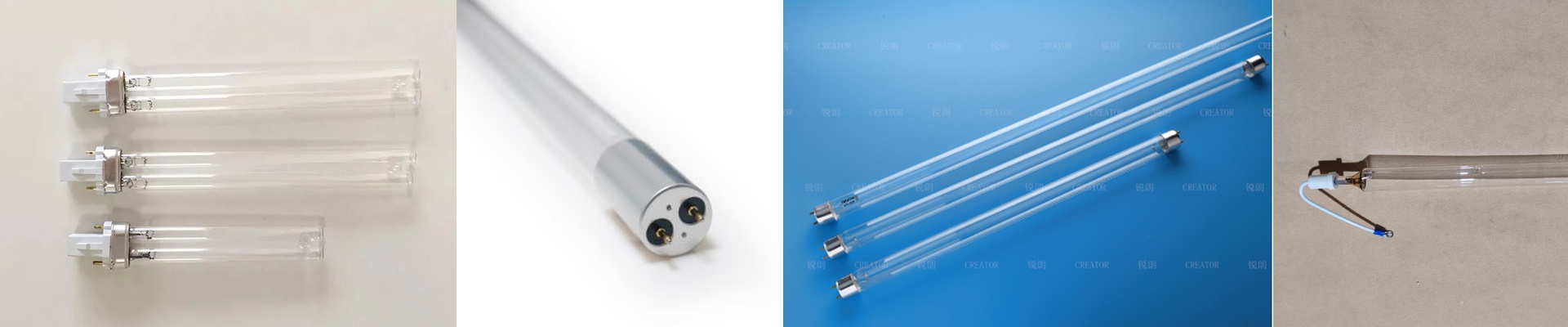
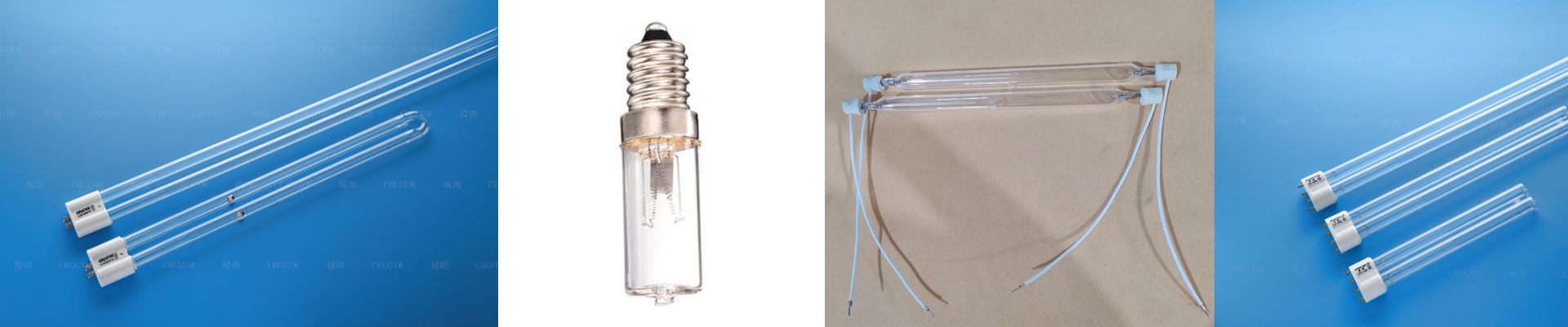
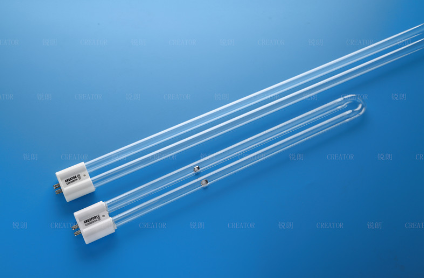
We build these to be drop-in replacements for existing industrial grids. That means we obsess over the end-caps and pins. They have to fit tight. Why? Because a loose fit leads to arcing, and arcing kills your socket. It’s a small detail that saves a lot of headaches. And look, we aren’t going to tell you these lamps last forever. They don’t. Every UVC source loses intensity over time. Instead of guessing when to swap them out, we give you the actual decay curves. You can look at the microwatt measurements and set a replacement schedule that actually makes sense for your operation. If you’re running them 24/7, you’ll see the dip. That’s just how mercury lamps work.