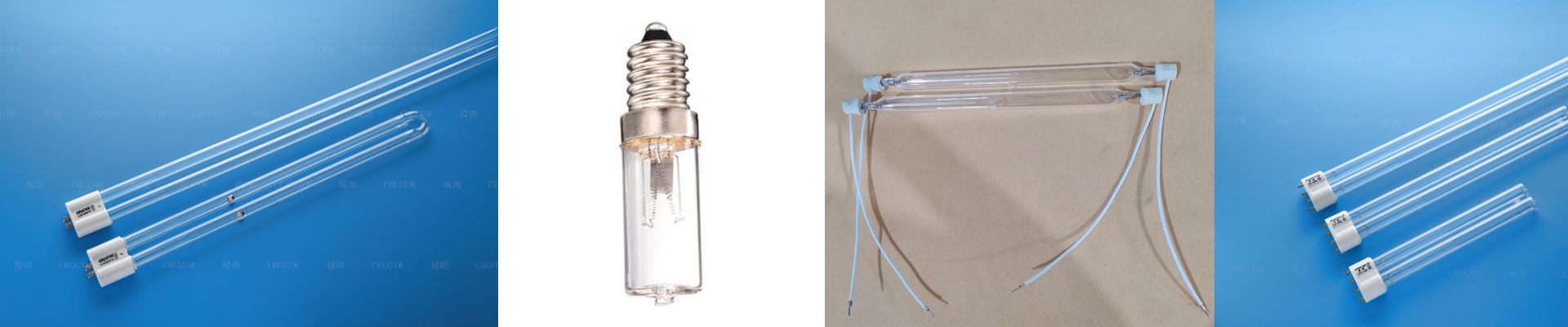
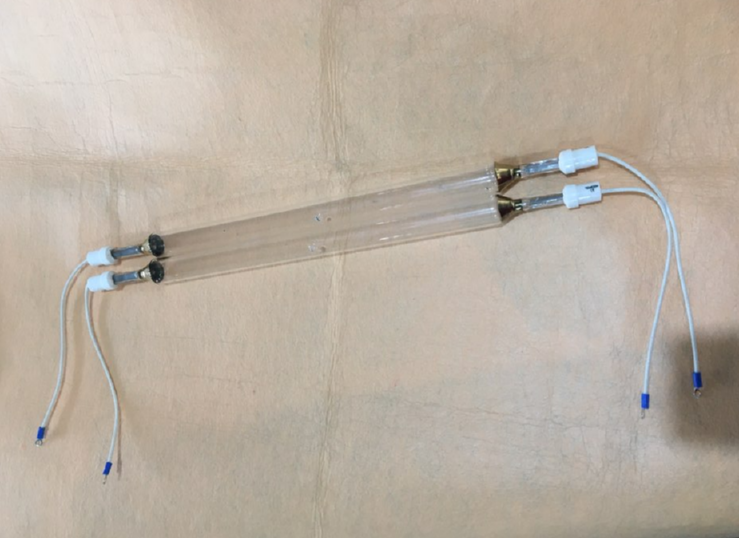
Why Gallium Iodide Actually Works for High-Volume Printing
We spent some time visiting 3,000 printing plants. A lot of time. We wanted to see exactly where UV systems start to fall apart in the real world. What we found was a pretty big gap between what the spec sheets promise and what actually happens on the shop floor. Standard mercury lamps are fine for basic jobs, but they usually choke when you hit them with thick ink or heavy pigmented coatings. That’s why we leaned into Gallium Iodide (GaI). The science part, kept simple Here is the deal: GaI lamps change where the light hits. Mercury lamps mostly push short-wave UV, which is okay, but GaI hits that 380nm to 420nm sweet spot. Why does that matter? Because that longer wavelength actually digs deep into the ink. You know that annoying “skinning” effect? Where the top looks dry but the bottom is still tacky and ruins everything? This stops that. It cures the ink from the bottom up. Making it work on your floor We didn’t want to design something that requires a total equipment overhaul. These are built as drop-in replacements. Simple. But there is a catch. GaI lamps run hot. Really hot. If you crank up the wattage to speed up your line, you have to make sure your cooling fans can keep up. If that heat stays trapped against the quartz, you’re looking at warped substrates or a lamp that burns out way too soon. We also use high-purity quartz. It keeps the glass from clouding over under intense radiation. And we tightened up the electrical connections at the end-caps. Most cheap lamps fail right there during a voltage spike, so we fixed it. The real-world trade-off If you’re running UV-curable varnishes or thick screen-printing inks, these are your best bet. Your cure times drop and the ink actually sticks to the material. Now, let’s be honest about the price. Gallium salt costs more than mercury. You’re going to pay more for the lamp upfront. But think about the alternative. You stop throwing away scrapped prints. You stop slowing down your conveyor belts just to get a decent cure. When you look at it that way, the “expensive” lamp is actually the one that saves you money.