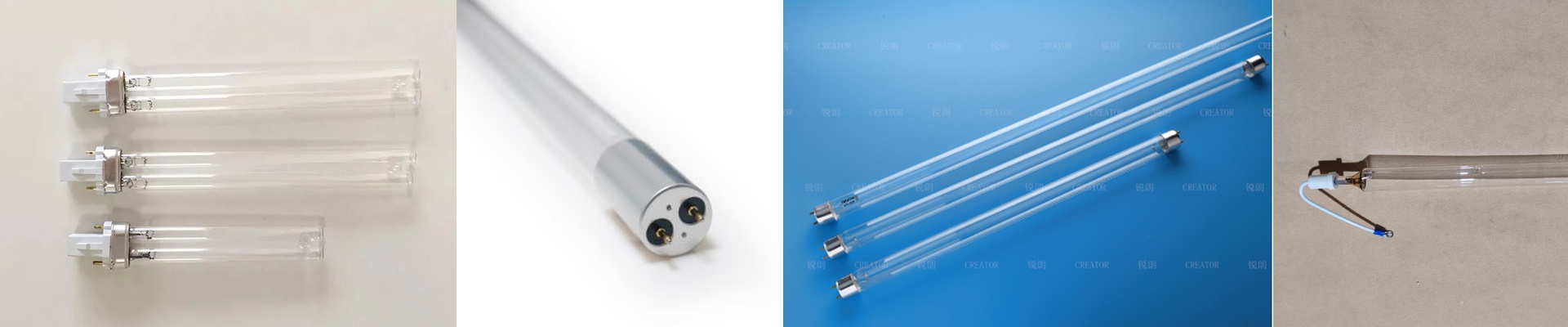
Why 253.7nm Actually Matters
Look, plenty of companies sell “UV bulbs” and claim they disinfect. But here’s the thing: if you aren’t hitting that sweet spot between 250nm and 260nm, you’re basically just turning on a fancy light. That narrow window is where DNA and RNA actually absorb the energy. If you’re off by even 10nm, the effectiveness just tanks. We obsess over our gas mixtures and quartz purity to hit exactly 253.7nm. It’s the only way to actually snap those molecular bonds in pathogens and get the job done.
The Quartz Problem
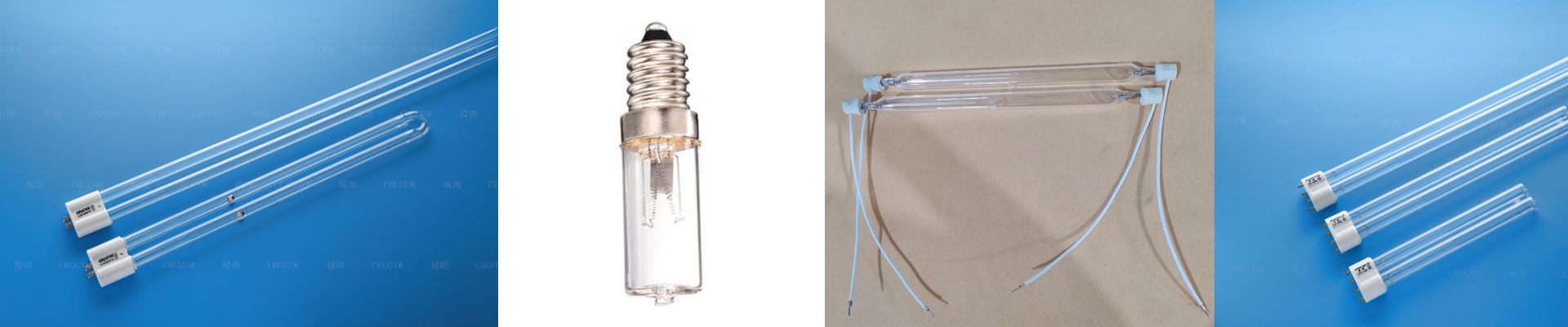
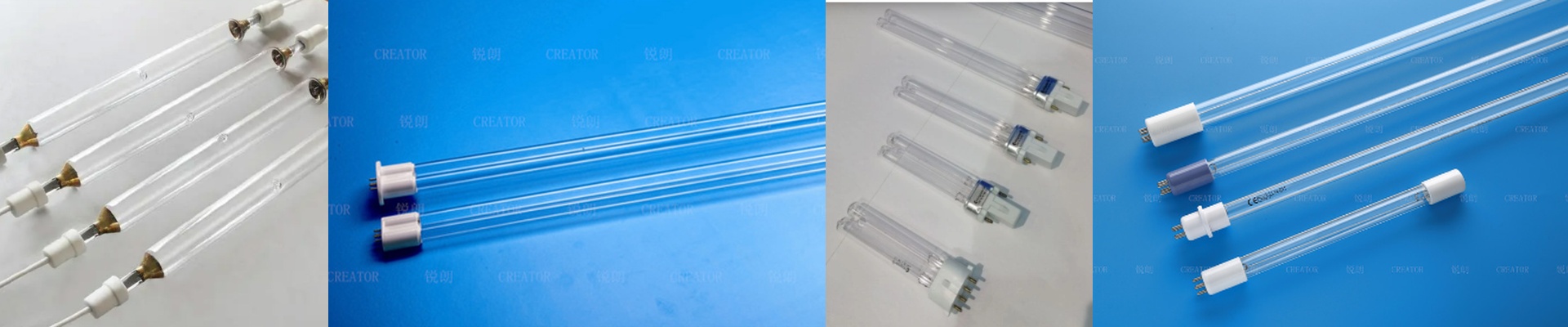
You can’t just use regular glass. It blocks UVC entirely. We use high-transmittance synthetic quartz because it lets the shortwave radiation fly right through without the tube wall soaking up the power. We also spec these to fight “solarization”—that annoying process where the quartz clouds over and turns milky after a while. If you’re ordering 1,000 units, you don’t want a mixed bag. We track the transmission percentage of every single batch so your output stays steady from the first bulb to the last.
Heat vs. Power
More wattage gives you more photons. Simple, right? Well, it also gives you more heat. High-output lamps run hot. If your fixture doesn’t breathe, that heat eats the electrodes and your bulbs burn out way too fast. It’s a balancing act. You have to weigh your wattage against how well your chassis can cool itself. To help with that, we keep our voltage tolerances tight. It stops the flickering and keeps the filaments from popping in industrial grids.
Making it Work in the Real World
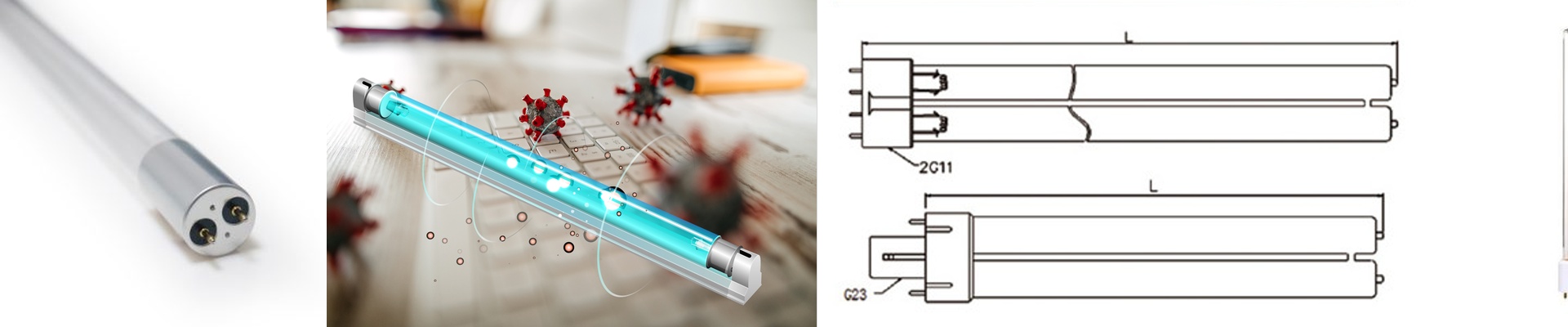
When you’re wiring up a massive sterilization array, the ballast is usually where things go sideways. We designed our bulbs to play nice with standard electronic ballasts to avoid those nasty current spikes. They’re drop-in replacements. Your maintenance crew can just swap them out without having to rewrite the entire electrical plan for the building. One pro tip: keep the sockets clean. A little bit of oxidation at the contact point leads to overheating and arcing, and nobody wants to deal with that.