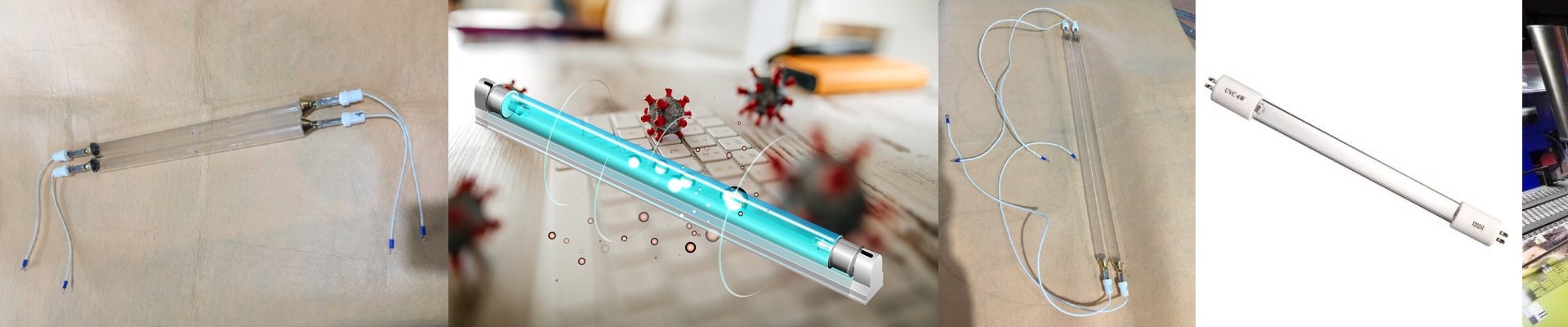
Let’s Talk About Mercury UV Bulbs
If you’ve spent any time in a print shop, you know that mercury UV lamps are basically the backbone of the whole operation. They do one job, and they do it fast: they hit those liquid UV inks with enough energy to turn them into solid films in a fraction of a second. It’s a bit like magic, but it’s actually just some clever physics.
How they actually work
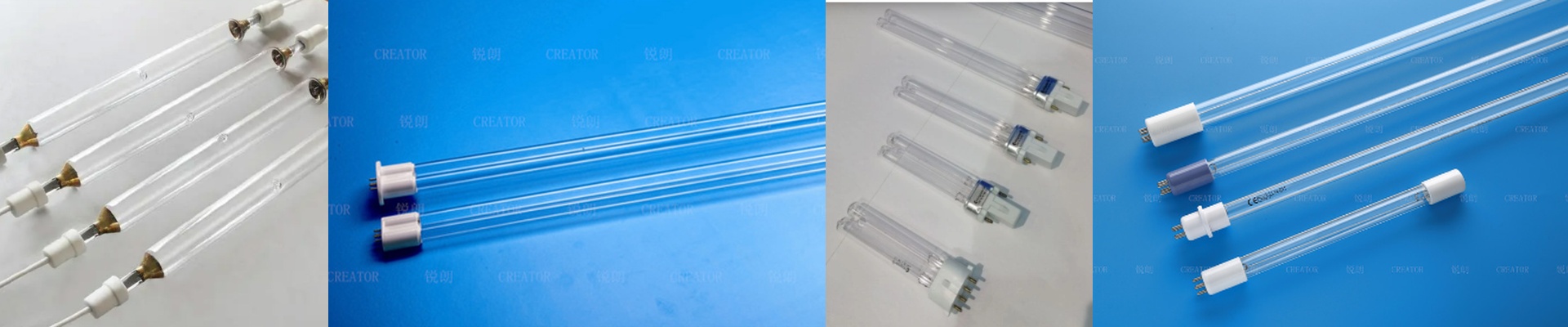
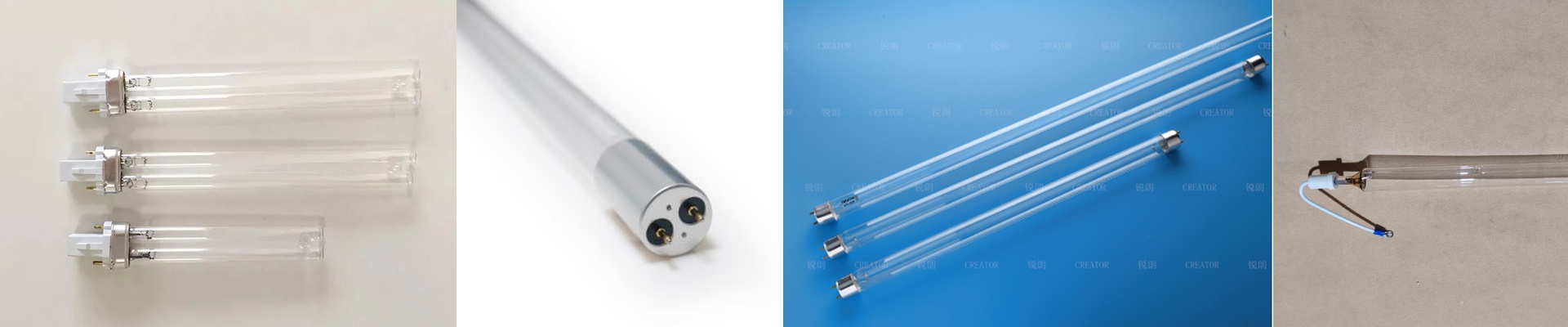
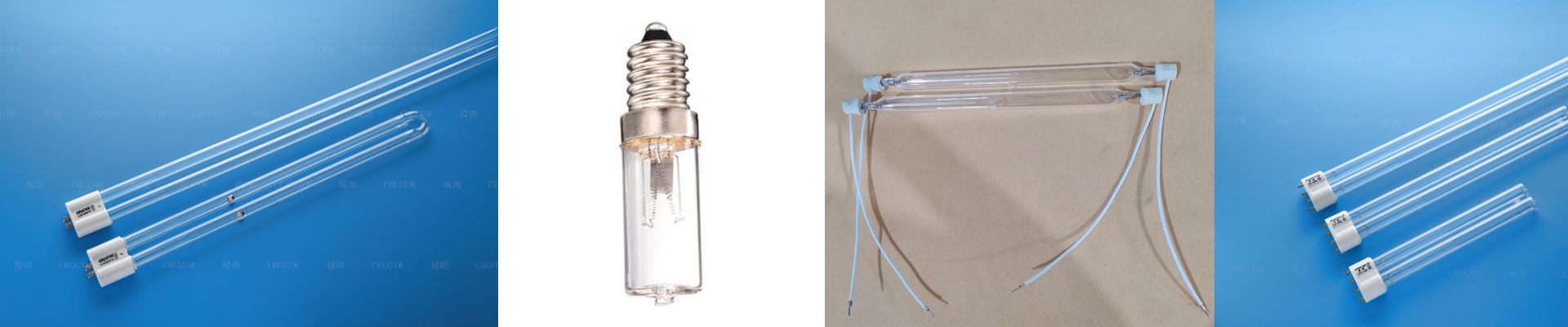
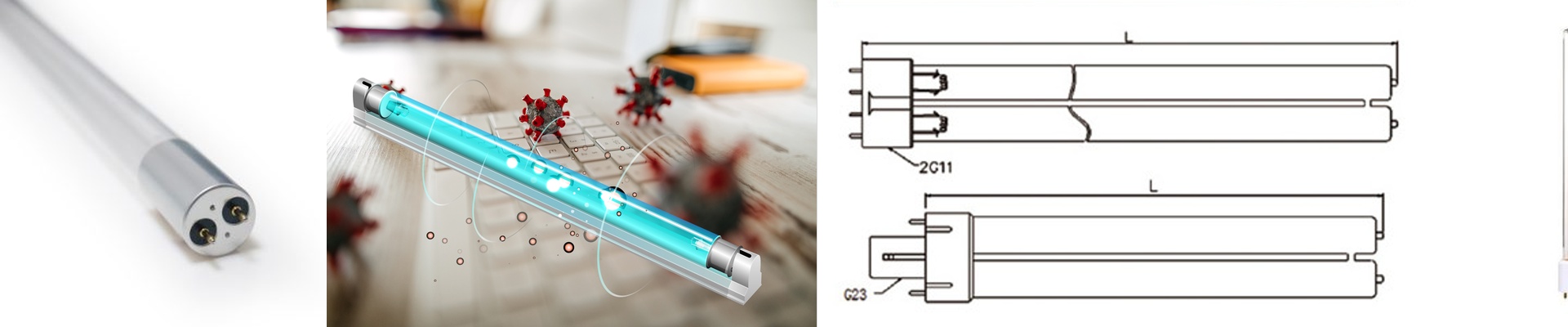
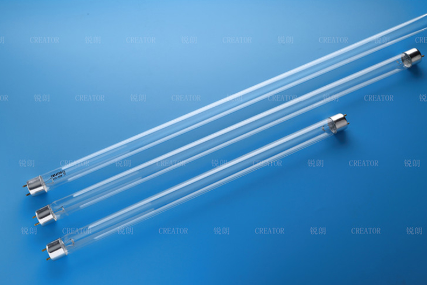
Inside the bulb, we pass a high-voltage current through mercury vapor. This creates a broad blast of UV radiation—mostly hitting those 254nm and 365nm peaks. Now, here is where people sometimes cut corners: the glass. We use high-purity quartz for the envelope. Why? Because cheap glass absorbs the shortwave UV rays instead of letting them through. If you use a low-grade sleeve, you’re just wasting power and killing your bulb way sooner than you should.
Power, heat, and the “burnout” problem
Your curing speed comes down to wattage and voltage. More wattage means more photons hitting the ink, which means you can crank up your conveyor belt and get more jobs out the door. But you have to be careful. Your bulb needs to match your ballast specs. If you try to over-drive the lamp to get more speed, you’re just going to fry the electrodes. Then there’s the heat. These things gethot. Like, really hot. We build our bulbs to take the stress, but your cooling system—whether you’re using air or water—has to actually do its job. If the heat piles up, the quartz can warp or the ends can just give out. It’s a headache nobody wants.
Making it work for your shop
I know a lot of small and mid-sized shops dread the cost of custom UV setups. It’s usually a nightmare of expensive modifications and specialized parts. That’s why we stick to standard-spec bulbs. They’re designed to be drop-in replacements for the machines you already own. You don’t need a technician to rebuild your line. Just wire it into your existing power supply, tweak your belt speed to match your ink, and you’re back in business. It’s simple, it’s fast, and it just works.