Getting the UV Wavelength Right
Most UV lamps you buy off the shelf are kind of “generic.” They throw out a broad spectrum of light, which is fine for some things, but if you’re doing specialized curing or sterilization, it’s just not enough. We do things differently. We build custom lamps that hit a very specific nanometer peak. Why? Because your photoinitiators only “drink” certain wavelengths. If you’re off by even 10nm, you’re in trouble. Either your cure rate tanks, or you end up scorching your substrate. It’s a delicate balance.
The Chemistry Side of Things
Here is how we actually do it: we look at the gap between the gas mixture inside the lamp and how much light the quartz envelope actually lets through. By tweaking the mercury pressure and adding a few dopants, we can shift that peak output. This is a lifesaver when you’re working with thick resins. We can target the exact depth needed so you don’t end up with a “skinned” product—where the top feels hard but the bottom is still tacky and a mess.
Heat and Hardware
We use high-purity fused quartz. If we didn’t, the envelope would soak up the UV energy it’s supposed to be letting out, and the lamp would burn out way too fast. But there’s a catch. When you cram high wattage into a small space, things gethot. Really hot. You’ve got to make sure your cooling fans or water jackets can actually handle the load. If they can’t, that quartz is going to stress, crack, and leave you with a broken lamp.
Making it Work in the Real World
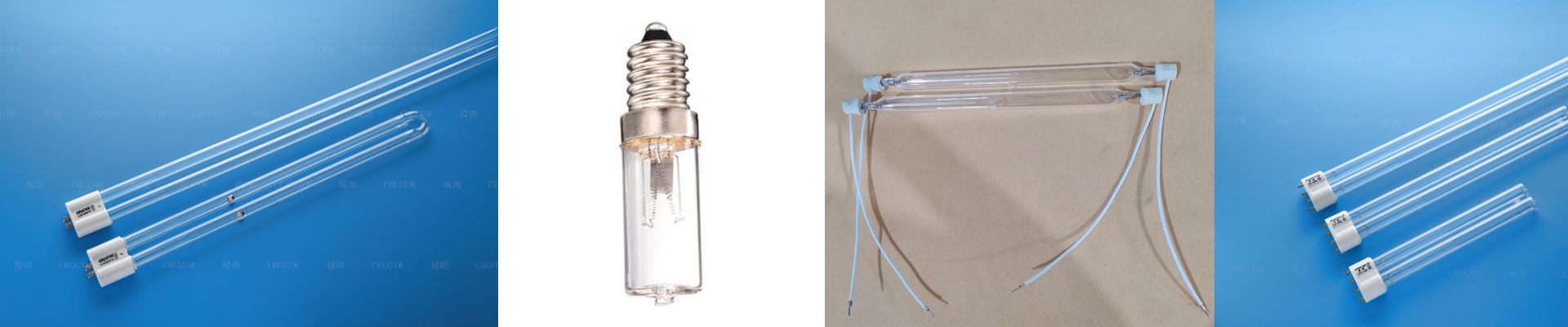
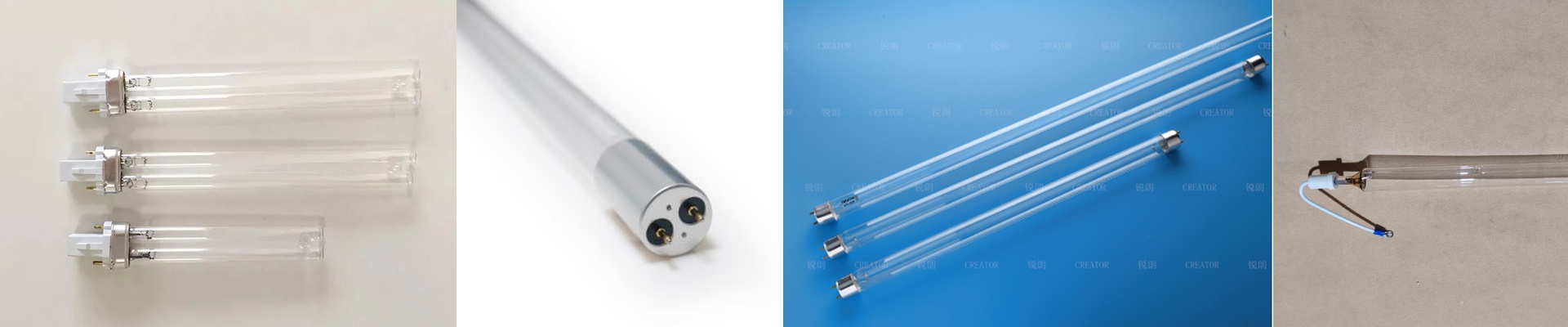
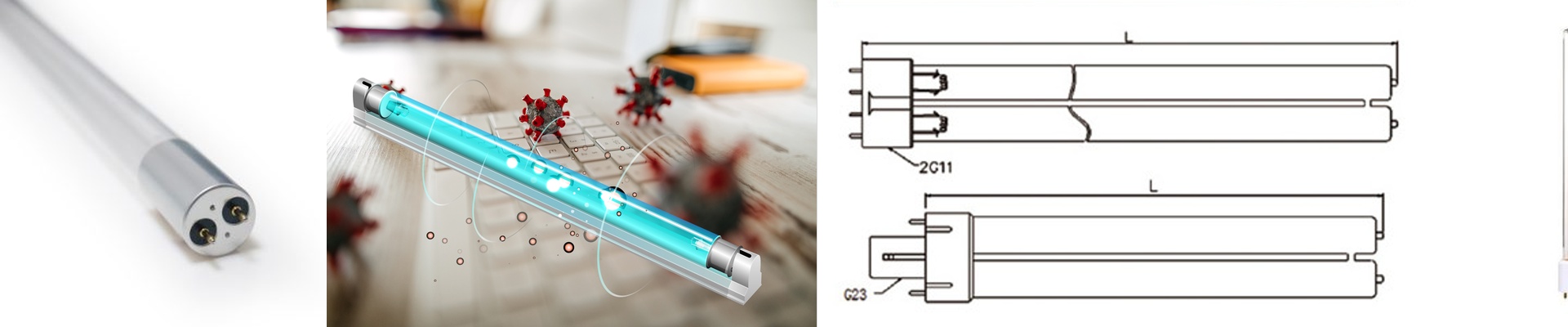
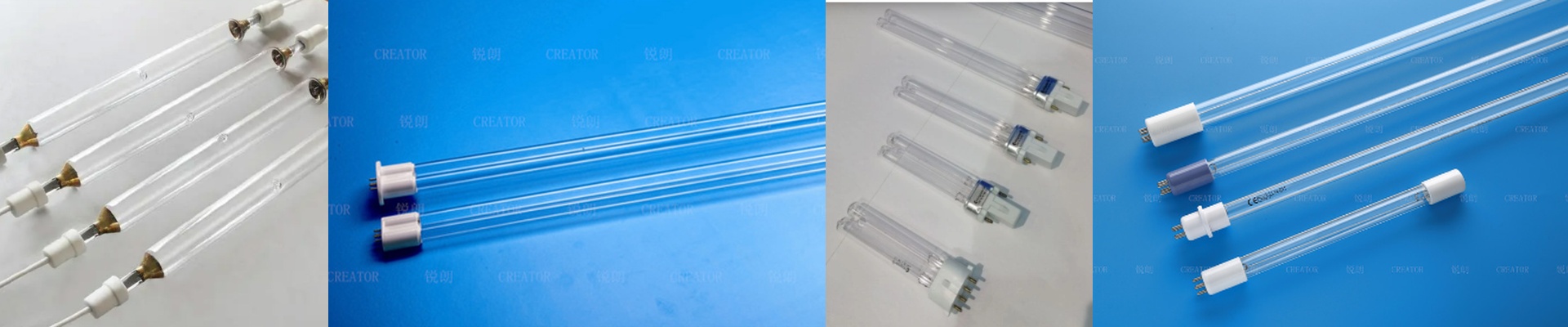
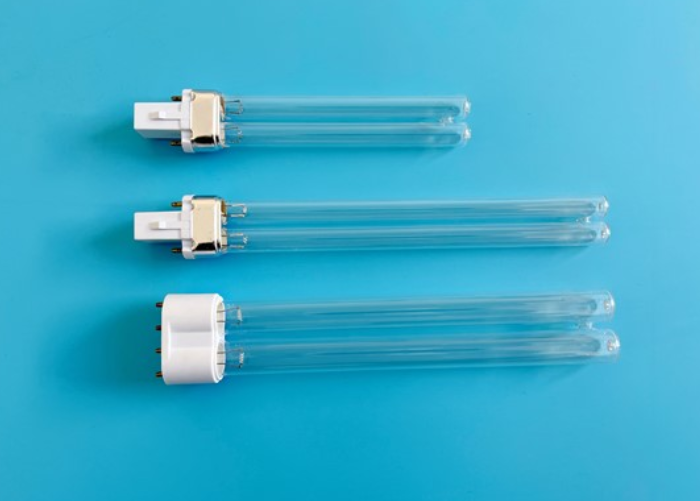
Nobody wants to spend a weekend rewiring an entire equipment rack. That’s why we design our lamps as drop-in replacements. Whether you need a weird pin configuration or a specific length, we match your existing footprint so you can swap them out and get back to work. The best part? When the wavelength is dialed in, you don’t need as much energy for a full cure. That means your line moves faster. Just keep in mind that these narrow-band lamps are a bit pickier about power. They don’t love voltage spikes. I’d suggest using a stabilized power supply so your light doesn’t drift while you’re in the middle of a long production run.